
South African Hip Hop Takes Centre Stage - Lolo Vandal Celebrates the Culture, Lyricism and Legacy of the Movement with “Mic Check” on 10 October 2026
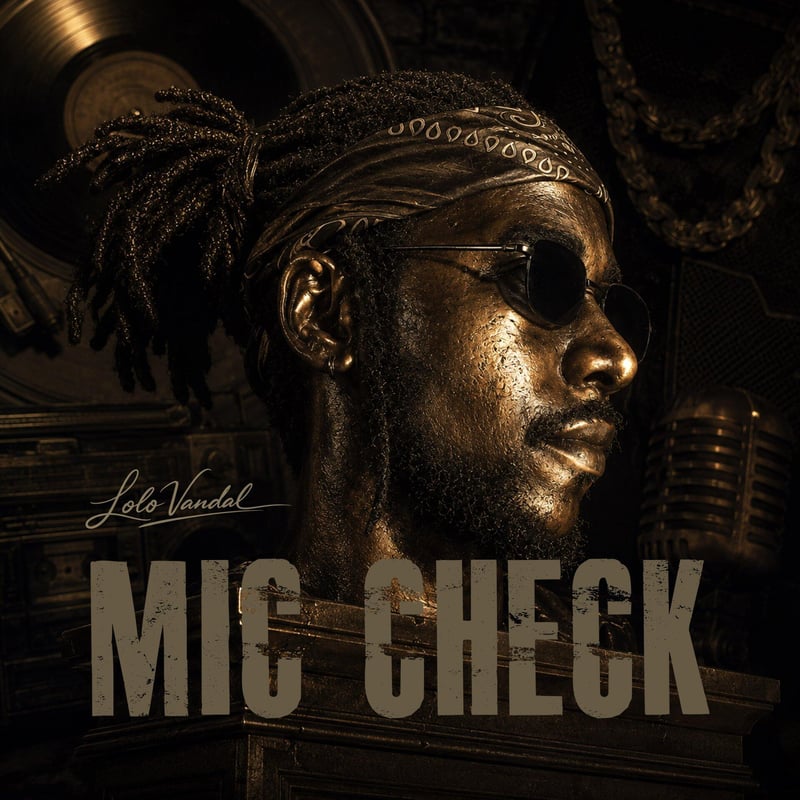
South African hip hop took centre stage on 10 October 2026, as the culture celebrated one of its biggest days, bringing renewed attention to the music, creativity and community that have shaped the movement over generations. Joining the celebration in his own distinctive way, independent artist and filmmaker Lolo Vandal released “Mic Check,” a song dedicated to honouring hip hop culture and recognising the art form as more than just music. Through sharp wordplay, cultural references and an approach rooted in the fundamentals of the genre, Vandal uses the track to pay respect to the hip hop community and the creative traditions that continue to influence artists across South Africa.
“Mic Check” arrives as a statement of cultural appreciation, connecting the energy of the 10 October celebration with the principles that have sustained hip hop from its beginnings. At its heart, hip hop is a culture built on self-expression, lyrical skill, originality, identity and the ability to communicate experiences through rhythm and words. For generations, the microphone has represented more than a performance tool; it has served as a platform for artists to tell their stories, challenge perceptions, showcase their abilities and establish their place within the culture. With “Mic Check,” Lolo Vandal draws on this symbolism, placing lyrical expression at the centre of his tribute and acknowledging the importance of the craft that continues to define hip hop.
The title itself carries a strong cultural meaning. A mic check traditionally takes place before a performance, allowing an artist to confirm that the microphone is working and that the audience can hear what is being said. Within hip hop, however, the phrase can also represent readiness, confidence and the moment an MC prepares to demonstrate lyrical ability. It signals the beginning of a conversation between the artist and the audience, where delivery, timing, wordplay and presence become essential elements of the performance. By choosing “Mic Check” as the title, Vandal connects his release to one of the genre's most recognisable symbols while reinforcing the importance of the microphone as an instrument of expression and cultural identity.
One of the defining elements of the track is Vandal's use of wordplay, which centres on the language, traditions and creative principles of hip hop. In a genre where lyricism has historically served as a measure of an artist's skill, the ability to manipulate words, construct clever lines and communicate multiple meanings remains an important part of the culture. Wordplay allows MCs to demonstrate technical ability while rewarding listeners who pay attention to the details within the lyrics. It creates space for double meanings, cultural references, punchlines and expressions of individuality, making the writing itself an essential part of the listening experience. Through this approach, “Mic Check” positions lyrical craft as a central component of the celebration rather than treating hip hop simply as a sound or a trend.
South African hip hop has developed a distinctive identity through its ability to bring together local languages, lived experiences, regional influences and international musical traditions. From isiZulu, isiXhosa and Sesotho to English, Afrikaans and the many combinations used by multilingual artists, the country's hip hop landscape reflects a rich diversity of voices. Local MCs have consistently used language as a tool to express identity, represent their communities and establish their individuality within a global culture. Wordplay, in this environment, becomes more than a technical exercise; it can communicate cultural knowledge, humour, social commentary and a sense of belonging. Vandal's tribute to hip hop through “Mic Check” connects with this broader tradition of respecting the written and spoken word as one of the genre's most powerful creative instruments.
Beyond lyricism, the song's cultural significance lies in its recognition of the community that sustains hip hop. The movement has never depended on rappers alone. DJs, beatmakers, producers, dancers, graffiti artists, event organisers, photographers, videographers, promoters and dedicated listeners have all contributed to the development and preservation of the culture. In South Africa, local hip hop communities have created spaces where artists can develop their skills, exchange ideas, perform their work and build connections with audiences. These networks are especially important for independent creatives who often rely on community support and collaboration to keep their work moving. By releasing a song as a gesture of respect, Vandal acknowledges the collective effort behind the culture and the people who continue to give it life.
The significance of 10 October 2026 provides an important backdrop to the release. Major cultural moments create opportunities for artists to reflect on the traditions that brought them into the music, recognise the contributions of those who came before them and celebrate the individuals who are shaping its future. For hip hop, such occasions are reminders that the culture is sustained through participation, knowledge and the continued development of new voices. A tribute track released during a major day for South African hip hop becomes a way of participating in that collective celebration, using music to express appreciation for a movement that has influenced generations of artists and audiences.
Lolo Vandal's position as an independent creative also adds another dimension to the release. Independent artists frequently operate outside the structures of major record labels, taking responsibility for their own creative direction, production decisions and promotional activities. This independence can create space for personal expression and projects driven by cultural interests rather than commercial expectations alone. In the case of “Mic Check,” the focus on hip hop's traditions and lyrical foundations gives the release the character of a statement of respect. It places the culture itself at the centre of the conversation and recognises the value of contributing to the movement through one's own artistic expression.
Hip hop's ability to evolve while maintaining its foundational principles is one of the reasons it continues to resonate with audiences worldwide. The music has expanded into different sounds, production styles and commercial spaces, but the importance of originality, rhythmic expression, lyrical confidence and community remains deeply embedded in its identity. Each generation introduces new influences and techniques, yet the microphone continues to provide a platform for artists to communicate who they are and what they represent. “Mic Check” reflects an appreciation of these enduring elements, reminding listeners that the culture's history and creative principles remain relevant even as the sound continues to change.
Ultimately, Lolo Vandal's “Mic Check” stands as a tribute to South African hip hop and the wider culture that has made the genre a lasting force in global music. Released in connection with the major hip hop celebration of 10 October 2026, the track recognises the importance of wordplay, lyrical skill, cultural identity and the community that keeps the movement alive. Rather than focusing solely on the release of another song, Vandal uses the moment to acknowledge the foundations of a culture built on expression, creativity and respect for the craft. As South African hip hop continues to evolve and reach new audiences, “Mic Check” serves as a reminder that celebrating the movement also means honouring its history, recognising its contributors and preserving the spirit that makes hip hop much more than music.
Release information
Issued on behalf of
African Elephant PR
Media contact
African Elephant Productions
Zuxole Ngetu