
Advanced Waterproofing Protocols Redefining Coastal Preservation Standards for Knysna’s Luxury Property Sector
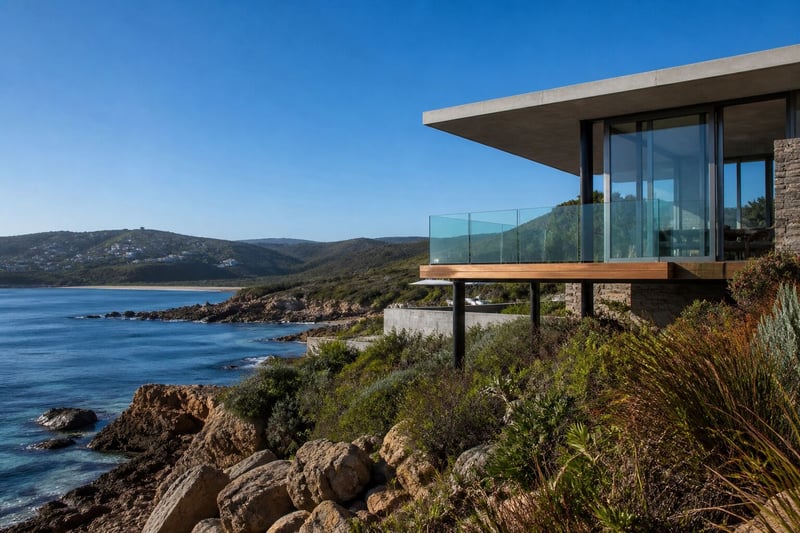
As the Garden Route continues to experience a sustained surge in high-end residential and commercial development, the architectural community is facing an escalating challenge: the preservation of structural integrity against the aggressive maritime climate of the Southern Cape. In response to these environmental pressures, RPA Waterproofing, a specialist in high-performance moisture protection, has introduced a definitive framework for architects and developers to mitigate the risks of salt-spray corrosion and water ingress.
The Knysna microclimate, characterised by high humidity, saline-heavy air, and significant seasonal rainfall, presents a unique set of variables that standard building regulations often fail to address adequately. For properties situated along the Knysna Lagoon or the cliffs of The Heads, the lack of a specialised waterproofing strategy can lead to rapid degradation of concrete substrates and internal finishes within only a few years of completion.
The Technical Imperative for Coastal Architecture
According to technical consultants at RPA Waterproofing, the shift toward contemporary South African architecture, utilising flat concrete roofs, expansive cantilevered decks, and minimalist parapet walls, has inadvertently increased the surface area vulnerable to moisture penetration. In these designs, traditional methods often fall short of the required durability standards.
The adoption of specialised waterproofing in Knysna is no longer viewed merely as a secondary construction phase but as a foundational requirement for long-term asset protection. Industry data suggests that water-related damage accounts for over 70% of structural maintenance costs in coastal regions, a figure that highlights the necessity of early-stage expert intervention.
A Shift Toward High-Performance Membranes
Modern architectural specifications in the Garden Route are increasingly moving away from basic bitumen solutions toward more sophisticated, multi-layered systems. RPA Waterproofing emphasises the use of high-performance liquid membranes and heavy-duty torch-on systems that are engineered to withstand UV exposure and thermal movement which are two critical factors in the Western Cape’s climate.
“In a coastal environment like Knysna, the expansion and contraction of building materials are exacerbated by the proximity to the ocean,” states the technical lead at RPA Waterproofing. “If a waterproofing system lacks the requisite elasticity, hairline fractures in the substrate will inevitably lead to systemic failure. Our focus is on implementing advanced structural protection that offers both chemical resistance and mechanical strength.”
Mitigating Environmental Degradation in Luxury Real Estate
The economic stakes are particularly high in Knysna’s luxury estates, such as Pezula, Simola, and Thesen Island. In these high-value precincts, architectural aesthetics must be balanced with rigorous engineering. Architects are now prioritising seamless waterproofing transitions—where the deck meets the internal flooring—to prevent the capillary action that often causes dampness in coastal villas.
RPA Waterproofing’s methodology involves a comprehensive audit of the building’s “envelope.” This includes not only the primary roof structures but also retaining walls, underground basements, and balconies. By ensuring that every potential entry point is sealed with site-specific materials, developers can guarantee the longevity of the structure and the health of its occupants, avoiding the common pitfalls of mould growth and efflorescence.
The Role of Specialist Contractors in the Supply Chain
The complexity of coastal preservation requires a departure from general contracting in favour of niche expertise. Effective moisture management requires a deep understanding of substrate preparation, primer compatibility, and the atmospheric conditions during application. For many developers, securing professional waterproofing assessments during the design phase has become a standard protocol to ensure that the waterproofing system is integrated into the architectural plans rather than added as an afterthought.
This proactive approach significantly reduces the “lifecycle cost” of the building. While high-performance systems may require a higher initial investment, the reduction in recurring maintenance and the prevention of emergency repairs offer a substantial return on investment for the property owner.
Future-Proofing Knysna’s Built Environment
As climate patterns become more unpredictable, with increased instances of flash flooding and higher average temperatures, the resilience of the built environment in the Western Cape depends on the quality of its protective layers. RPA Waterproofing remains at the forefront of this industry evolution, providing the technical guidance necessary to preserve the architectural heritage and the modern skyline of Knysna.
By bridging the gap between innovative architectural design and practical structural science, RPA Waterproofing ensures that the region’s most iconic properties remain as enduring as the landscape they inhabit. For the South African construction sector, the message is clear: coastal preservation is an exacting science that requires the right materials, the right expertise, and a commitment to uncompromising quality.
About RPA Waterproofing
RPA Waterproofing is a premier provider of specialised waterproofing and structural protection services in the Western Cape. With an emphasis on the Garden Route and Knysna regions, the company provides bespoke solutions for luxury residential developments and commercial infrastructure. Known for their technical precision and use of industry-leading materials, RPA Waterproofing is a trusted partner for architects and developers seeking to safeguard property value in challenging coastal environments.
Release information
Issued on behalf of
RPA Waterproofing
Media contact
Shout Local
Tiffany S