
Which Trees Are Most Commonly Felled in Fourways and Why?
As residential developments, commercial hubs, and private gardens expand across the northern suburbs of Johannesburg, managing tree populations safely and sustainably has become an essential part of property maintenance. For homeowners and property managers throughout Fourways, understanding which tree species pose risks or violate environmental regulations is key to maintaining safe, attractive outdoor spaces. Best Tree Felling highlights the most frequent candidates for removal in Fourways and the driving reasons behind their felling.
Invasive Alien Species and Environmental Compliance
In invasive alien species management, fast-growing exotics top the list for necessary removal across Gauteng. Driven by national environmental regulations, many non-native trees actively compromise water tables and native ecology.
Jacarandas and Syringas: While Jacarandas provide iconic purple blooms across Johannesburg, mature specimens often outgrow tight urban plots, spreading aggressive root systems. Invasive species like Syringa trees spread rapidly, choke indigenous foliage, and carry legal removal requirements under national environmental frameworks.
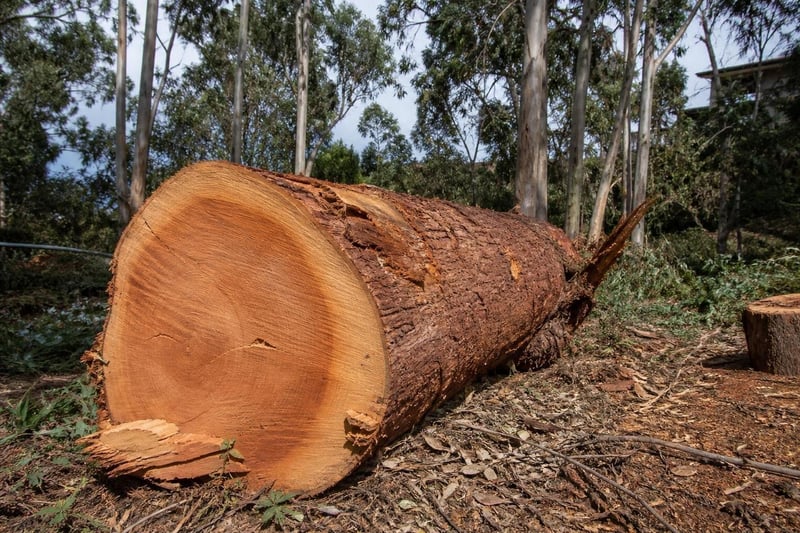
Eucalyptus (Gum) and Pines: Extremely thirsty and prone to sudden branch drops during high winds, blue gum and pine species are commonly removed to protect surrounding structures and restore ground water balance.
Invasive Root Systems and Structural Property Risk
Certain mature trees cause widespread, hidden damage beneath the surface long before their canopy becomes an issue.
Weeping Willows and Rubber Trees: Frequently planted near boundary walls, paving, or swimming pools, species with invasive root structures often crack underground water pipes, lift brick paving, and undermine residential foundation slabs.
Oak and Fig Trees: As these massive hardwoods mature in suburban garden layouts, their expansive root pads lift driveways and push over perimeter walls, making controlled removal the only practical option to prevent costly structural repairs.
Storm Damage, Aging Hardwoods, and Safety Risks
High-velocity summer thunderstorms regularly pass over Fourways, posing serious threats to heavy, decaying, or poorly maintained trees.
Dead, Diseased, or Hollowed Trees: Aging trees suffering from fungal decay, beetle infestations, or internal rot pose severe fall hazards. During high-wind events, heavy limbs or entire trunks can crash onto roofs, vehicles, and power lines.
Overhanging Canopies: Unmanaged, overgrown trees leaning precarious over boundary lines, electric fencing, or neighboring structures often require immediate sectional felling to prevent emergency property damage.
Let Professionals Handle Your Tree Care Needs
Identifying whether a problem tree requires routine pruning, root containment, or complete sectional felling requires professional assessment to avoid unnecessary property risk or regulatory compliance errors.
Best Tree Felling brings deep regional expertise across Fourways, assisting property owners with species identification, hazard assessments, and controlled, fully insured removals.
To learn more about local tree species management, read the full guide on which trees are most commonly felled in Fourways and why, or visit the official Best Tree Felling website to request an obligation-free site inspection today.
Release information
Issued on behalf of
Best Tree Felling
Media contact
BRBD Pty Ltd
Brad Taylor