
aQuellé shares tips for improving your health this Diabetes Awareness Month
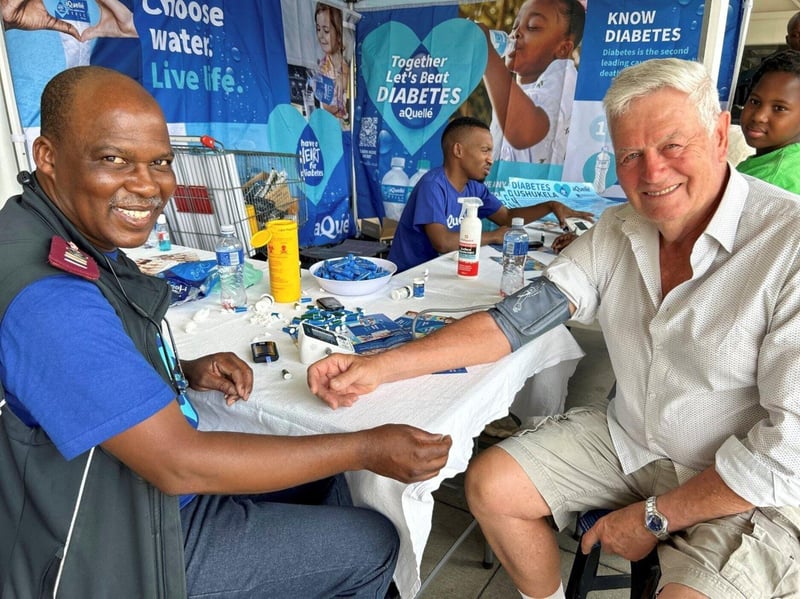
Diabetes is often described as a silent killer – with many South Africans unknowingly living with the condition. This Diabetes Awareness Month, aQuellé is encouraging people to take a more proactive approach to their health by sharing four practical steps that can make a lifetime of difference.
"Diabetes is a significant health concern in South Africa, and its impact on individuals, their families, and the larger community cannot be underestimated. What makes it particularly concerning is that people can live with elevated blood glucose levels for years without realising it,” says Sharon Combrink, Marketing Manager at aQuellé.
“This November, through our annual Together Let's Beat Diabetes campaign, we’re encouraging South Africans to take action now, rather than wait until they experience symptoms or complications. Understanding your glucose levels and making simple, sustainable lifestyle changes can make a meaningful difference to your health. We’re also encouraging everyone to #Wearblue on World Diabetes Day to show your support and help spread awareness.”
Diabetes by numbers
- Diabetes claimed 28 767 lives in South Africa in 2024, according to Stats SA's Mortality and Causes of Death in South Africa report.
- This equates to an average of nearly 79 people dying from diabetes every day.
- Diabetes accounted for 6.1% of all registered deaths, making it the country's leading underlying natural cause of death.
- The International Diabetes Federation estimates that approximately 2.3 million South African adults were living with diabetes in 2024.
- An estimated 70.3% of adults with diabetes in South Africa were unaware they had the condition.
- More than 90% of diabetes cases in South Africa are type 2 diabetes, with the rising burden strongly associated with obesity, physical inactivity and unhealthy dietary habits.
Together Let's Beat Diabetes numbers
- Since 2024, aQuellé has helped facilitate more than 17 000 diabetes tests and hosted more than 150 free testing stations.
- To date, aQuellé has donated more than R1.2 million to Diabetes SA & Diabetes-related projects.
Understanding the types of diabetes
Diabetes is a chronic condition that affects how the body regulates blood glucose (sugar). Insulin, a hormone produced by the pancreas, helps glucose move from the bloodstream into the body's cells, where it’s used for energy. When the body does not produce enough insulin or cannot use it effectively, glucose builds up in the bloodstream.
There are three main types:
1. Type 1 diabetes: An autoimmune condition in which the body's immune system attacks the insulin-producing cells in the pancreas, resulting in little or no insulin production. People with Type 1 diabetes require insulin treatment and cannot prevent the condition through lifestyle changes.
2. Type 2 diabetes: The most common form, which develops when the body becomes resistant to insulin or does not produce enough to regulate blood glucose effectively. Risk factors include excess body weight, physical inactivity, family history and certain dietary and lifestyle patterns. Healthy lifestyle choices can help reduce the risk.
3. Gestational diabetes: A form of diabetes that develops during pregnancy when the body cannot produce enough insulin to meet increased needs. It requires appropriate monitoring and medical management and can increase the mother's future risk of developing Type 2 diabetes.
What is prediabetes?
Prediabetes is an important warning stage in which blood glucose levels are higher than normal but not yet high enough to meet the criteria for a Type 2 diabetes diagnosis. It does not mean that developing diabetes is inevitable. Early identification, professional guidance, and consistent lifestyle changes can make a difference.
Four ways to improve your health this Diabetes Awareness Month
1. Choose water
Sugar-sweetened beverages - including fizzy drinks, sweetened juices, and energy drinks - can contribute significant amounts of added sugar to your daily diet. Regularly consuming these drinks can increase the risk of weight gain and Type 2 diabetes. Drinking plain water instead is a simple way to reduce added sugar intake while supporting the body's hydration needs. Water also plays an important role in normal kidney function and helps the body maintain its fluid balance.
2. Eat healthily
Healthy eating does not have to mean expensive ingredients or complicated meal plans. Making thoughtful choices with everyday foods can help support healthy blood glucose levels while maintaining a healthy weight. A balanced diet should include vegetables, fruit, whole grains, legumes, nuts, and appropriate sources of protein. Fibre-rich foods are beneficial as they help slow digestion and the absorption of carbohydrates.
For inspiration, Diabetes South Africa has a selection of practical recipes and meal ideas available on its website: https://www.diabetessa.org.za/category/recipes/
Healthy food ideas:
- Plain oats are a fibre-rich breakfast option. Add a small portion of fruit for natural sweetness.
- Beans and lentils are cost-effective sources of fibre and plant-based protein that can be added to soups, stews and salads.
- Brown bread and wholegrain alternatives provide more fibre than many refined options.
- Seasonal vegetables like cabbage, carrot and spinach make meals more nutritious without significantly increasing costs.
- Reduce sweets, pastries, and foods high in salt and saturated fat.
3. Get active
Physical activity is one of the most effective lifestyle measures for reducing the risk of Type 2 diabetes and supporting people who are already managing the condition. Regular movement helps the body use insulin more effectively, supports healthy blood glucose levels, assists with weight management, and contributes to cardiovascular health. It can also improve sleep, flexibility, energy levels, and mental wellbeing while helping reduce stress.
As part of its commitment to healthier, more active communities, aQuellé supports a range of sporting partnerships, including its hydration partnerships with The Sharks, Orlando Pirates FC, and Netball South Africa. Through these partnerships and many community events, the brand promotes the value of physical activity and sport.
4. Get tested
Perhaps the most important step towards better health is understanding your blood glucose levels. Type 2 diabetes and prediabetes can develop without obvious symptoms, but screening can help identify elevated glucose levels. Common symptoms of diabetes can include excessive thirst, frequent urination, unexplained weight loss, fatigue and blurred vision. However, not everyone experiences symptoms, which is why screening is important.
Through its Together Let's Beat Diabetes campaign, aQuellé is once again partnering with Diabetes South Africa to bring free glucose testing directly to communities across the country. There have been over 150 testing stations this year, which tests, on average, 120 people per day.
Note: A glucose screening indicates blood sugar levels at the time of testing. It is not, on its own, a formal diabetes diagnosis, and anyone with an abnormal reading should seek further assessment from a healthcare professional.
For more information, visit www.aquelle.co.za. Follow aQuellé on social media:
Facebook: @aQuelle
Instagram: @aquelle_sa
LinkedIn: aQuellé
YouTube: Over 5,400 Lives Reached | aQuellé’s Initiative to Beat Diabetes Together
Release information
Issued on behalf of
Olivia Jones Communications
Media contact
Olivia Jones Communications
Agnes Matladi