
Diabetes SA Durban Chairperson shares why more South Africans need to get tested
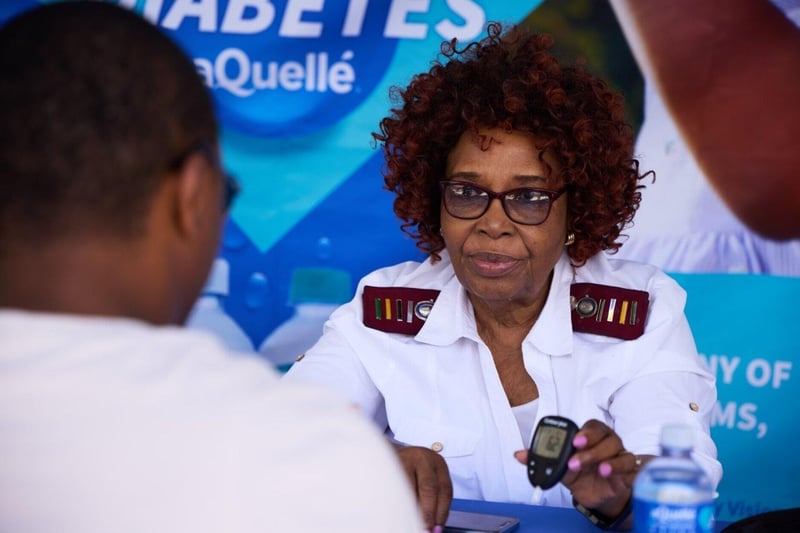
Sister Pilile Dlamini has dedicated her professional life to targeting the leading natural killer in South Africa: diabetes. From her early days as a nursing sister through to her retirement years, the committed healthcare practitioner has never stopped her relentless pursuit to educate South Africans. Thankfully, with the support of aQuellé, the Diabetes SA Chairperson in Durban has reached even more communities through the Together Let’s Beat Diabetes campaign.
“Diabetes is a significant cause of death in South Africa, but the risks associated with Type 2 diabetes can be reduced through knowledge of healthy living, as well as knowing the signs and symptoms,” says the passionate nursing sister. “This is a great campaign, and we’re seeing an impact year-on-year as we visit the communities that need intervention the most.”
Started five years ago, aQuellé’s annual Together Let’s Beat Diabetes campaign – in partnership with Diabetes SA – takes this message directly to communities while encouraging free glucose testing as the all-important first step in tackling the disease.
A dedicated path to preventing diabetes
Originally from Umlazi in KwaZulu-Natal, Sr Dlamini spent most of her nursing career at Nkosi Albert Luthuli Hospital, where she specialised in diabetes education. Her interest in the condition began much closer to home.
“It was in our first year of marriage that we discovered my husband had Type 1 diabetes,” she recalls. “That sparked my interest in the disease and the importance of education around it. We managed his condition very well for 44 years, before he sadly passed away from lymphoma.”
In 2006, Sr Dlamini was introduced to Diabetes South Africa through the International Diabetes Federation, which was visiting the hospital. She started working closely with the organisation on education and screening initiatives before joining as board member and Chairlady of the Durban Branch in 2013, following her retirement from nursing.
She has continued working on the ground, often in partnership with aQuellé bringing diabetes interventions to rural communities across South Africa. Through this work, she has seen how access to information and testing can change the way people understand and manage their health.
Taking testing and education into communities
South Africa faces a significant diabetes challenge, with 1 in 9 people living with the disease – 70% of whom don’t even realise it. For Sr Dlamini, these figures highlight why community-level interventions are so vital. She says the responsibility cannot rest with government and healthcare services alone, and that private-sector partnerships – as demonstrated by aQuellé - can extend the reach and resources.
Through aQuellé’s Together Let’s Beat Diabetes campaign, aQuellé, in partnership with Diabetes South Africa, has provided free glucose testing at more than 128 testing stations during 2026 alone. Sr Dlamini says they insist on a high standard at every activation, with every nursing sister equipped with in-depth diabetes knowledge, ensuring that people receive appropriate information and guidance alongside their screening.
While the campaign has reached thousands of people, Sr Dlamini says the individual experiences at testing stations often reveal just how much work remains to be done: “I encountered a husband and wife, both living with diabetes, who were completely unaware of the complications of the disease. They did not realise that changing a few lifestyle habits – such as eating healthily, drinking water, and exercising – could help reduce the risk of serious complications.
“We have also tested people with glucose levels at 23 [5 being the average for a healthy individual], yet they don't realise what this means for them. Other times, people are really scared, or even too scared, to get tested. Our role is to address this and show them that diabetes can be managed. But it is so important to take that first step – and get tested.”
4 steps towards better health
While diabetes requires appropriate medical care and management, everyday choices play an important role in supporting overall health and reducing the risk of Type 2 diabetes. aQuellé’s Together Let’s Beat Diabetes campaign focuses on these 4 tips:
1. Choose water: Replace sugar-sweetened drinks with plain water more often to reduce added sugar intake and support healthy hydration.
2. Eat healthily: Choose balanced meals that include vegetables, fruit, whole grains and fibre-rich foods, while being mindful of portion sizes and highly processed foods.
3. Get active: Make regular movement part of everyday life. Walking, cycling, dancing and playing sport all count.
4. Get tested: Know your glucose levels. Screening can help identify potential concerns, even when there are no obvious symptoms.
Note: A glucose screening indicates blood sugar levels at the time of testing. It is not, on its own, a formal diabetes diagnosis, and anyone with an abnormal reading should seek further assessment from a healthcare professional.
For more information, visit www.aquelle.co.za. Follow aQuellé on social media:
Facebook: @aQuelle
Instagram: @aquelle_sa
LinkedIn: aQuellé
YouTube: Over 15,000 people tested. One shared goal: a healthier South Africa
Release information
Issued on behalf of
Olivia Jones Communications
Media contact
Olivia Jones Communications
Agnes Matladi