
The Rise of Sleep Tracking and Preventative Health
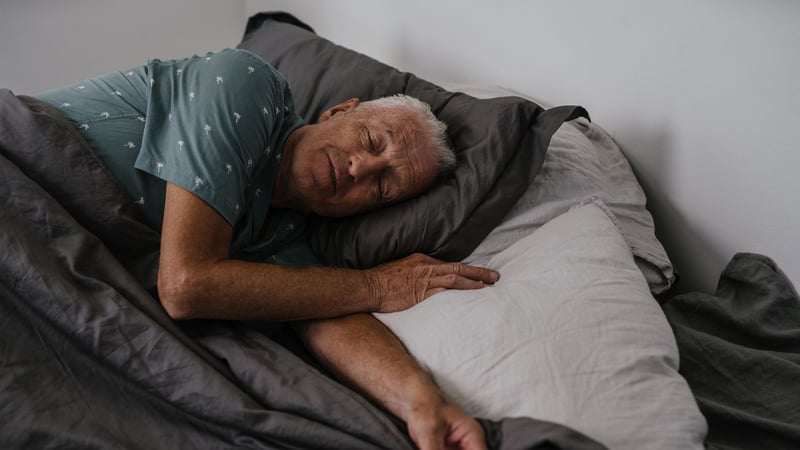
Sleep is increasingly being recognised as an important component of health, alongside established measures such as physical activity, nutrition and cardiovascular health. Advances in digital health technology are also changing how sleep is monitored and understood, with wearable devices providing access to sleep data and artificial intelligence creating new ways to analyse patterns that may previously have been difficult to identify.
This shift is placing sleep within the broader field of preventative health, where monitoring, early recognition and intervention can play a role in supporting long-term health outcomes.
Why Is Sleep Suddenly the New Health Metric?
For years, consumer health tracking has focused on measures such as daily steps, exercise, heart rate and nutrition. Sleep is now joining that list as research continues to examine its relationship with areas of health including cardiovascular function, metabolic health, cognitive performance and daytime functioning.
The increasing availability of sleep data is also making sleep more visible to individuals. Rather than relying solely on how rested someone feels, people can now access information about sleep duration, timing and patterns through wearable technology. While these measurements should not be regarded as a medical diagnosis, they can provide information that encourages people to pay attention to persistent changes or concerns about their sleep.
Discovery Is Now Rewarding Sleep
In South Africa, Discovery has brought sleep into its Vitality programme through Vitality Sleep Rewards, allowing eligible members to work towards personalised sleep goals and receive weekly rewards when those goals are achieved. The programme uses connected wearable devices to calculate a Vitality Sleep Score based on sleep duration, regularity and quality.
The inclusion of sleep alongside other health behaviours reflects the growing recognition that sleep forms part of overall health. Rather than viewing sleep as separate from activities such as exercise and nutrition, programmes such as Vitality are encouraging people to monitor their sleep and consider how their sleep habits may contribute to their broader health.
Discovery has also incorporated sleep into its driving programme, with Vitality Drive Sleep Points rewarding qualifying clients for healthier sleep patterns because of the relationship between sufficient sleep and driving safety.
Wearables Are Turning Sleep Into Measurable Health Data
Smartwatches, rings and other wearable devices have made sleep tracking accessible to a growing number of people. Depending on the device, users can monitor information such as sleep duration, sleep timing and other aspects of their sleep patterns, turning sleep into another source of personal health data.
These devices are not a replacement for a sleep study or medical assessment, but they can help people identify patterns over time. For someone experiencing persistent daytime sleepiness, disrupted sleep or changes in their usual sleep pattern, this information may provide a useful starting point for discussing concerns with a healthcare professional.
As more people use wearable devices, the volume of sleep data available for research is also increasing. This is creating new opportunities to study the relationship between sleep patterns, physiological signals and broader health.
AI Is Starting to Find Health Information Hidden Inside Sleep Data
Artificial intelligence is adding another dimension to sleep research by allowing large volumes of sleep data to be analysed for patterns that may be difficult to identify through conventional methods.
In January 2026, Stanford Medicine researchers reported the development of SleepFM, an AI model trained on nearly 600,000 hours of sleep data from 65,000 participants. The model was able to use physiological information from a single night's sleep to predict risk across more than 100 health conditions, demonstrating the potential of sleep data as a source of information about health beyond sleep itself.
These developments do not mean that AI or consumer sleep tracking can replace healthcare professionals. Instead, they demonstrate how technology may provide additional information that could support clinical assessment and improve our understanding of the relationship between sleep and health.
Can CPAP Change Your Sleep Tracker Results?
For people using CPAP therapy, an interesting question is whether treating sleep apnea can change the information recorded by a wearable device.
CPAP can reduce breathing interruptions during sleep, which may influence physiological signals such as overnight oxygen levels and heart-rate patterns. As sleep becomes less disrupted, changes may also appear in measures related to sleep continuity and other signals used by wearable devices.
This creates an interesting connection between sleep therapy and consumer health technology. A person may see changes in their wearable data after starting CPAP, but those changes should be viewed as trends rather than proof that treatment is working. Consumer wearables estimate many sleep measurements rather than directly measuring brain activity, and they are not a substitute for clinical assessment or follow-up with a healthcare professional.
As wearable technology develops, however, the ability to compare sleep data over time could provide another way for people to observe changes in their sleep patterns while receiving appropriate treatment.
How CPAP and Other Sleep Breathing Machines Can Help
For people diagnosed with obstructive sleep apnea, monitoring sleep is only one part of managing the condition. When breathing interruptions occur repeatedly during sleep, a healthcare professional may recommend sleep breathing therapy such as CPAP, APAP or BiPAP, depending on the individual's diagnosis and clinical requirements.
CPAP machines provide a continuous flow of air through a mask to help maintain an open airway during sleep. APAP machines can automatically adjust pressure in response to changes in breathing, while BiPAP machines provide different pressure levels during inhalation and exhalation and may be prescribed for specific medical needs.
The appropriate treatment depends on the individual's clinical circumstances and should be determined with guidance from a qualified healthcare professional. Correct equipment selection, setup and user education can also form an important part of sleep therapy.
Why SleepCheck Supplies Sleep Breathing Equipment
As sleep becomes more prominent within preventative health discussions, access to appropriate sleep therapy equipment remains an important part of the treatment pathway.
SleepCheck is a SAHPRA-licensed supplier and distributor of sleep breathing equipment in South Africa, supplying CPAP, APAP and BiPAP devices. SleepCheck provides equipment setup and training and assists customers with medical aid claims, supporting them as they begin using their prescribed sleep therapy equipment.
SleepCheck also provides wholesale supply and distribution to healthcare providers, medical practices and businesses requiring sleep therapy equipment, helping make access to sleep breathing equipment part of the wider healthcare supply chain.
The Changing Role of Sleep in Preventative Health
The growing focus on sleep tracking reflects a broader shift towards using data to understand and support health. Discovery's introduction of sleep rewards, the increasing use of wearable devices and advances in AI research all point towards a greater focus on sleep as a measurable component of health.
For people experiencing sleep disorders such as obstructive sleep apnea, this increased awareness may also encourage earlier conversations with healthcare professionals about symptoms, diagnosis and appropriate treatment.
Sleep is therefore moving from being measured simply in hours to being considered through a wider range of factors, including regularity, quality, breathing patterns and physiological signals. As technology continues to develop, the data generated during sleep may become an increasingly useful part of understanding health and supporting preventative care.
Release information
Issued on behalf of
SleepCheck
Media contact
DPDD
Daleen Prinsloo