
South Africans Care Deeply About How They Present Themselves on Social Media as Platforms Reshape Modern Identity
South Africans Care Deeply About How They Present Themselves on Social Media as Platforms Reshape Modern Identity
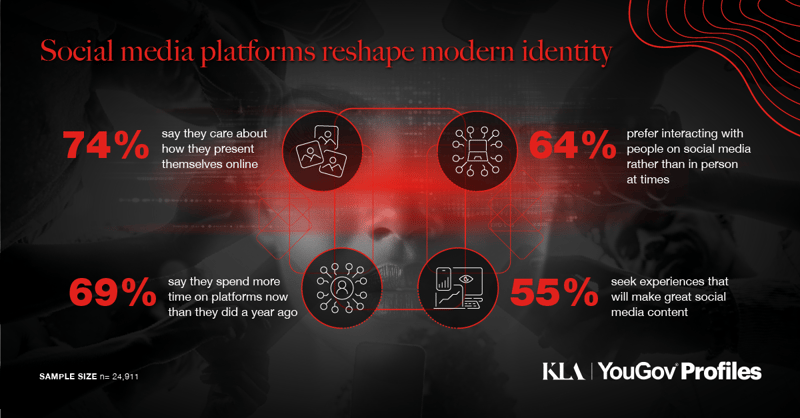
Social media has become a core space where identity is built, displayed and negotiated, with 74% of South Africans saying they care about how they present themselves online, according to a survey from consumer insights agency KLA using YouGov Profiles data. The study reveals a population connected to social platforms – both emotionally and habitually.
Widespread social media usage means social platforms are not subcultures – they are part of the everyday environment, and identity is naturally shaped by what people see, share, and compare themselves to.
Online Presentation Matters
The 74% who care about their online presentation are not posting passively – they are curating. Social media is a space where individuals manage impressions, shape their narratives and decide which parts of themselves they want others to see. This attention to presentation suggests that social platforms are closely tied to self-esteem and personal identity.
When asked via a YourView poll how their social media presence reflects their identity, 39% say it is a mix of who they really are and who they aspire to be, while 25% say it reflects who they really are and 19% say it reflects who they aspire to be. Only 8% say they don't think about it in those terms.
What Drives Posting Decisions
When deciding what to post, South Africans consciously weigh multiple factors. The top consideration is whether content aligns with their values or beliefs (65%), followed by whether it reflects their real life accurately (57%) and whether it fits the image they want to project (56%). Half (50%) consider whether content makes them look good to others, and 40% think about whether it will get likes or engagement. Only 4% say they do not consciously think about these factors.
Connection and Pressure Exist Side by Side
A majority of 70% worry at times about how long they spend on social media, while 69% say they spend more time on platforms now than they did a year ago. This combination creates tension – people are aware of their increasing usage, but they cannot easily disconnect.
About 67% often scroll aimlessly through social media. This behaviour can be reflexive or soothing, but it also creates opportunities for comparison and influence. People may not log in with the intention of comparing themselves, but they inevitably encounter content that shapes their perceptions of what is normal, achievable, or desirable.
Digital Interaction Preferred by Many
64% prefer interacting with people on social media rather than in person at times. This suggests that social platforms are not simply communication tools – they offer safety, convenience and control that real-world interactions sometimes lack.
Real Life Shaped by Online Audiences
One of the most revealing findings is that 55% of respondents seek experiences that will make great social media content. More than half of South Africans shape their offline behaviour with an online audience in mind – where identity and performance intersect.
Comparison Culture and Influencer Impact
When asked whether they compare themselves to fitness influencers, 43% of respondents express agreement, indicating comparison is a meaningful force for a substantial group. For those affected, influencers set benchmarks for lifestyle, appearance and success.
A Complex Emotional Relationship
The research reveals contradictory feelings: 73% think social media is changing the way we interact for the worse, yet 65% say social media has changed their lives for the better. This duality captures the modern digital experience – platforms bring connection, inspiration, and convenience, while also contributing to pressure, misinformation, or conflict.
New Social Norms Emerge Online
Digital behaviours once considered unusual are now normalised. Overall, 33% agree that they have "stalked" someone online, while 48% use social media for flirting and dating. Relationships begin, develop and sometimes end online, as the boundaries between digital and real-world identity continue to blur.
What This Means for Brands
For brands, this creates a landscape filled with both opportunity and responsibility. Authenticity matters. Emotional resonance matters. And understanding the complex motivations behind online behaviour is essential. Consumers are not simply using social media. They are shaping who they are through it.
The study utilised YouGov Profiles+ South Africa data collected on 30 November 2025, with a nationally representative sample of n=24,911 adults. This was supported by a YourView Poll n=1008.
Release information
Issued on behalf of
KLA
Media contact
Little Black Book PR
Renee Schonborn