
Everything you need to know about screen time for your toddlers
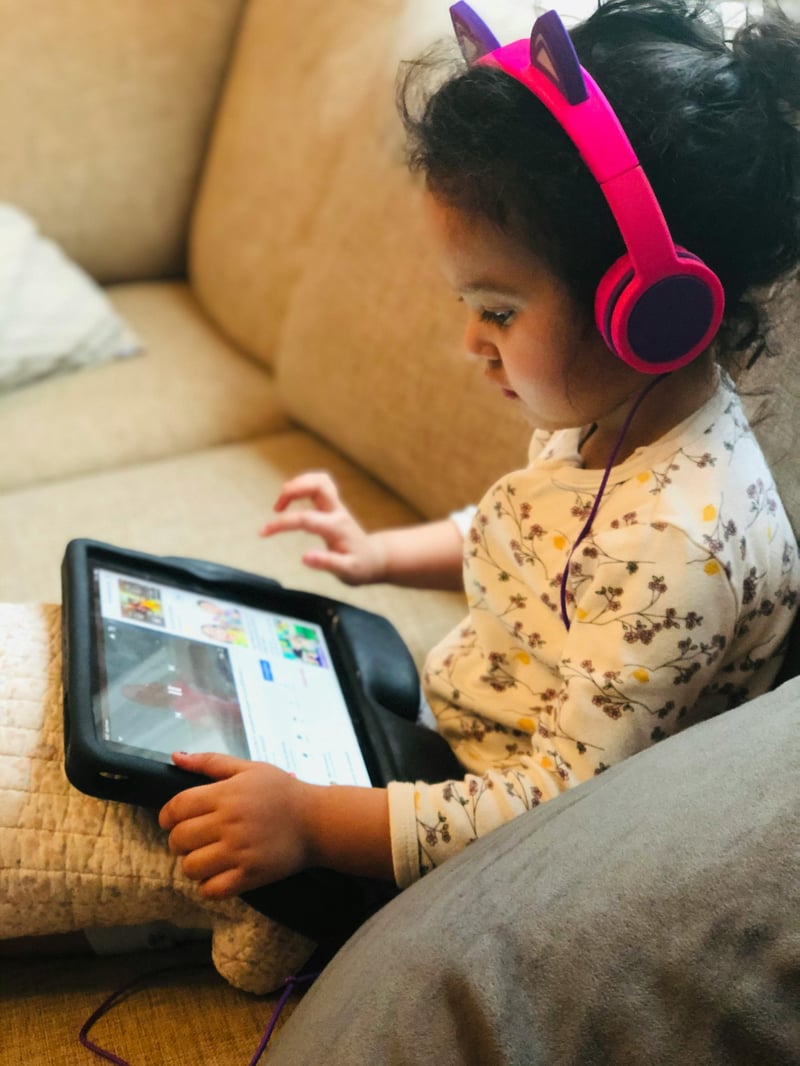
"We've all seen it – your 2-year-old sees a photograph and instinctively tries to "swipe" it. It's adorable, but it also shows just how naturally toddlers are drawn to screens. This makes it important for parents to be mindful of screen exposure and its potential impact on early development", says Jolandi Becker (Managing director at Good Night) spokesperson for BabyWombWorld
Here’s a closer look at what to keep in mind when it comes to screen time for toddlers.
The Dopamine Response
It’s easy to rely on screens to keep toddlers occupied – after all, nothing grabs their attention quite like a tablet or television. Every swipe and tap triggers instant responses: colors, sounds, and movement. This rapid stimulation prompts the brain to release dopamine, a chemical that plays a key role in our reward system and feelings of pleasure.
Dopamine can be addictive. When the screen is removed, toddlers may initially struggle to re-engage with slower-paced real-life experiences. This is because their brains have become accustomed to instant responses, making ordinary activities seem less exciting in comparison.
The takeaway? Controlled and limited screen time is important to prevent toddlers from becoming overly reliant on fast, digital rewards for entertainment.
Screen Time and Social Development
The first three years of life are critical for social development. During this time, the brain is laying the foundation for communication, emotional understanding, and relationships.
Excessive screen time can limit opportunities for toddlers to engage in “real-world” social interactions – playing, talking, observing facial expressions, and responding to tone of voice. These experiences help develop the frontal lobe, which is essential for interpreting social cues and building meaningful connections.
While occasional screen use is unlikely to cause permanent harm, regular or extended exposure may reduce opportunities for these foundational experiences. Encouraging play with real people and engaging activities is key for healthy social growth.
Screen Time and Sleep
Screens can also affect sleep. The blue light emitted by tablets, phones, and televisions can suppress melatonin production – the hormone that signals the body it’s time to sleep. For toddlers, melatonin typically starts rising in the early evening, helping them wind down and get restful sleep.
Exposing toddlers to screens in the critical pre-bedtime hours (around 5–7 PM) can delay melatonin production, making it harder for them to fall asleep. Poor sleep can contribute to irritability, behavioral challenges, and even a weakened immune system.
To protect your toddler’s sleep, consider limiting screen use in the evening and introducing calming, screen-free routines instead, such as reading, quiet play, or music.
Finding the Balance
Screens aren’t inherently “bad,” and technology can have a role in early learning and family connection. The key is moderation:
Under 2 years: Avoid sedentary screen time, except for brief video calls with loved ones.
2–3 years: Limit to no more than 1 hour per day, and less is better.
3–4 years: Keep sedentary screen time to 1 hour or less, focusing on high-quality content.
Instead of relying on screens to occupy your toddler, try interactive, hands-on alternatives:
Read a book together.
Make up a family dance or song.
Draw or play with toys that encourage creativity and movement.
Keep meals screen-free to support family connection and better sleep.
Every family is different, and finding the right balance will depend on your routines, lifestyle, and your child’s temperament. The goal is to introduce technology thoughtfully while prioritizing real-world experiences that support healthy brain development, social skills, and sleep.
References / Guidelines
World Health Organization (WHO) Screen Time Guidelines:
Under 2 years: No sedentary screen time recommended.
2–3 years: Maximum of 1 hour per day; less is better.
3–4 years: Maximum of 1 hour per day; less is better.
By understanding how screen time affects your toddler’s brain, social skills, and sleep, you can make choices that support healthy development while still enjoying the benefits of technology in moderation.
ENDS
Release information
Issued on behalf of
BabyWombWorld
Media contact
Reklame
Rosa-Mari Le Roux