
Raising Kind Humans - Teaching Empathy in a Divided World
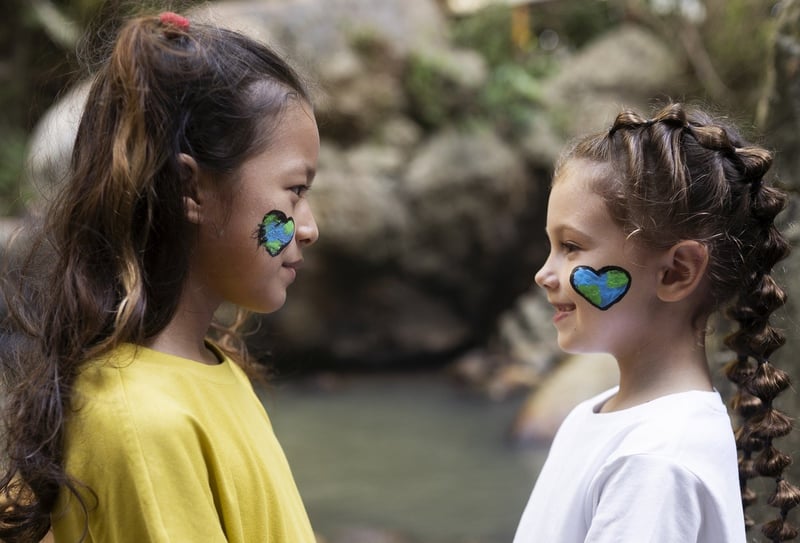
The world our children are growing up in can feel overwhelming - filled with digital noise, online bullying, and social division. Yet in this climate, kindness and empathy are radical acts. Raising a child who can step into another person’s shoes, pause before judging, and choose compassion is one of the most powerful ways to shape a better future.
The good news? Empathy isn’t an inborn trait - it’s a skill we can teach, model, and nurture every day.
Why Empathy Matters
Research shows that empathetic children are more likely to have stronger friendships, manage conflict better, and grow into emotionally intelligent adults. In South Africa, where communities are diverse and inequality still touches many lives, empathy also bridges cultural gaps and builds understanding.
When we teach empathy, we don’t just raise kind kids - we raise citizens who can heal, connect, and lead with heart.
Everyday Empathy Exercises (for Different Ages)
For toddlers (2–5 years):
- Use “feelings words” in everyday conversation: “You’re feeling sad because your toy broke,” or “You seem proud of your drawing.”
- Read picture books that highlight emotions - stories like The Color Monster by Anna Llenas or Have You Filled a Bucket Today? by Carol McCloud are wonderful starting points.
- Model kindness in small acts - thank your child for helping, notice when they share, and name that behaviour: “That was really thoughtful.”
For primary schoolers (6–12 years):
- The “switch shoes” game: Ask, “How do you think your friend felt when that happened?”
- Volunteer as a family, even in small ways - collecting donations, visiting an animal shelter, or helping at a community clean-up.
- Watch kindness clips and use short, positive videos (like Sesame Street’s empathy episodes) to start conversations.
For teens (13+ years):
- Co-create a “pause rule” for social media: before posting or commenting, take a deep breath and ask, “Would I say this face-to-face?”
- Explore podcasts or documentaries that share stories from different cultures, identities, or struggles - then discuss them together.
- Encourage debate at home, but model respectful disagreement. Teens learn from watching how parents handle conflict, frustration, and difference.
The Power of Parental Modelling
Children learn empathy not from lectures, but from what they see. The way you speak to your partner, treat service staff, or respond to strangers teaches far more than any lesson.
Try to:
- Pause before reacting - model calm problem-solving and emotional regulation.
- Apologise sincerely when you’re wrong - it shows accountability and respect.
- Notice and praise kind acts: “I saw how you helped your friend - that was really thoughtful.”
Our everyday choices - especially in moments of frustration - show children that kindness is strength, not weakness.
Books and Resources that Build Empathy
South African & African Reads:
- I Have Brown Skin and Curly Hair by Karen Theunissen - a beautiful children’s book celebrating diversity and self-love.
- Children of Sugarcane by Joanne Joseph - for older teens, a powerful novel about resilience, injustice, and compassion.
- The Girl Without a Sound by Buhle Ngaba - a lyrical story encouraging empathy for difference and inner strength.
- Nal’ibali - local stories and reading resources promoting empathy and literacy in all South African languages.
- Heartlines - community storytelling and values-driven family discussions.
International Must-Reads:
- Wonder by R.J. Palacio - a modern classic on kindness and inclusion.
- The Rabbit Listened by Cori Doerrfeld - simple and profound for younger kids.
- Have You Filled a Bucket Today? by Carol McCloud - introduces the idea that our actions fill or empty others’ “kindness buckets.”
Digital Resources:
- Common Sense Media - reviews films and games for positive empathy themes.
- Greater Good Science Center (UC Berkeley) - practical exercises for families on emotional intelligence and compassion.
Why It Works
Empathy grows in safe, loving spaces. When children are heard and respected, they naturally extend that respect to others. Even small daily moments - listening without interrupting, acknowledging another’s feelings, showing gratitude - shape how they move through the world.
Raising kind humans isn’t about being perfect parents; it’s about being present, curious, and compassionate enough to keep trying.
Recommended Reading on PlanetParent.co.za
Release information
Issued on behalf of
PlanetParent
Media contact
Ladybug Digital
Petro Pretorius