
Help your child sleep better this winter
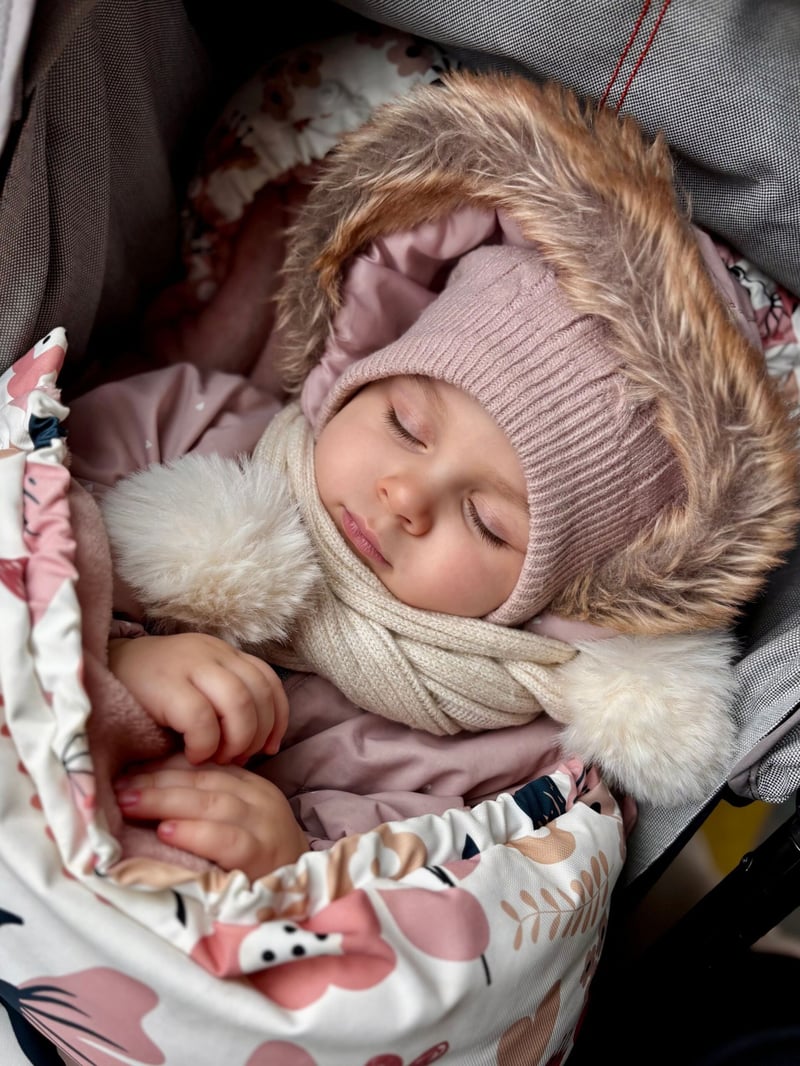
Many parents assume the colder weather and longer nights of winter will naturally lead to better sleep for the whole family. In reality, the opposite is often true.
Chilly temperatures, shorter days and seasonal illnesses can all disrupt your child's sleep, leading to more frequent night wakings and restless nights.
From feeling too cold and battling winter bugs to getting less fresh air and physical activity during the day, the colder months bring a unique set of sleep challenges for little ones.
The good news is that with a few simple adjustments to your child's sleep environment and daily routine, you can help them stay comfortable and support healthy, restorative sleep throughout winter.
Too Cold
A baby’s ideal sleep temperature is between 18-22°C. If their room is too cold, they may wake up frequently, while an overheated room can also lead to discomfort and restless sleep.
Dress your baby in breathable, warm sleepwear and tog rated sleeping bag.
Use layers instead of heavy blankets, as loose bedding increases the risk of SIDS (Sudden Infant Death Syndrome).
Keep the room temperature consistent using a thermostat or heater with a safety setting.
A warm, comfortable sleep environment can make all the difference in helping your little one sleep soundly through the colder months.
Too Sick
Colds, flu, and congestion are more common in winter, making it difficult for babies to breathe and sleep comfortably.
There is not much to do when your little one is ill. You will need to offer comfort, extra cuddles, and contact naps if needed, while trying to maintain their usual sleep routine.
Adjust your expectations and remind yourself that illness disrupts sleep temporarily, but consistency will help them return to their routine once they are feeling better.
Play more, sleep better
Colder weather often means less time spent outdoors, leading to decreased physical activity.
Babies and toddlers who are less active during the day may struggle to settle at bedtime, have excess energy at night, or experience more night wakings.
“Lack of fresh air and natural daylight may disrupt melatonin production, impacting sleep quality,” shares Jolandi Becker spokesperson for BabyWombWorld.
Encourage indoor play with activities that promote movement, such as crawling, dancing, or playing with soft climbing structures.
If possible, bundle up and go outside for short periods to allow fresh air, sunshine and physical activity.
Create a consistent bedtime routine that includes calming activities to help them transition to sleep.
While winter may bring a few extra sleep challenges, it doesn't have to mean sleepless nights for the whole family.
By creating a warm, consistent sleep environment and adapting your routine to the season, you can help your little one get the restorative rest they need. Focus on maintaining a consistent sleep environment, encouraging movement during the day, and supporting their natural body clock.
Remember, small, consistent changes often have the biggest impact, and better sleep is always worth the effort.
ENDS
Release information
Issued on behalf of
BabyWombWorld
Media contact
Reklame
Rosa-Mari Le Roux