
Quality Controlled Recycling Enables Reliable Recycled Plastics for South African Packaging and Manufacturing
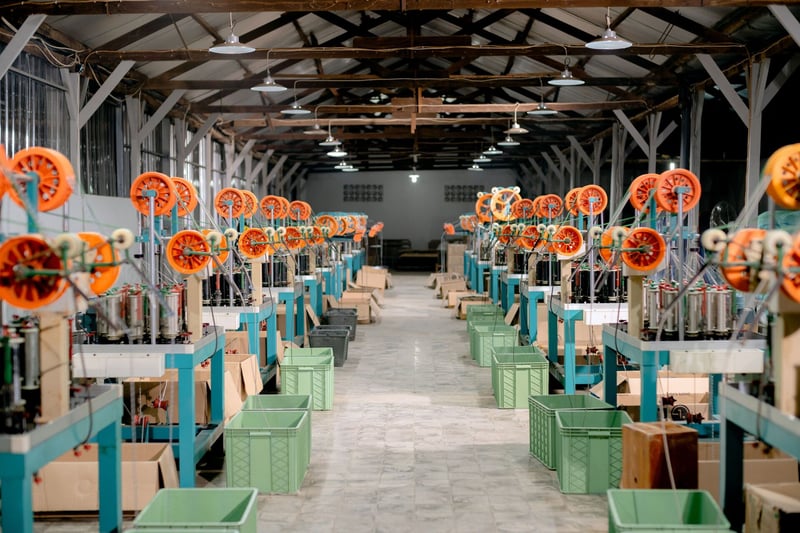
Quality-controlled plastic recycling plays an essential role in helping manufacturers achieve consistent, reliable results when using recycled materials.
Packaging accounts for approximately 52% of all plastics used in South Africa, making disciplined recycling processes increasingly important as manufacturers seek reliable, high-quality recycled content.
Whether used for packaging, retail products, or industrial applications, recycled plastics must perform reliably in production environments where consistency, efficiency, and performance are essential.
"Quality control transforms recycled plastic from a potentially variable input into a dependable manufacturing material. It helps create greater stability across production lines, supports consistent product outcomes, and gives manufacturers the confidence to incorporate recycled content into their processes," says Albie Alberts, Director at Everloop Plastic.
What sets quality-controlled plastic recycling apart
The term ‘quality-controlled plastic recycling’ refers to recycling processes designed around performance consistency, traceability, and measurable production standards.
This approach is about more than simply collecting and processing plastic production waste. It requires systems that manage variation throughout the recycling process, from material sourcing and sorting through to pellet production.
For manufacturers, quality-controlled recycling creates material that is:
More predictable during processing
Better suited to repeat production runs
Easier to integrate into existing operations
More reliable in end-product performance
"The difference is clear. Without strong controls, manufacturers often face extra work, such as machine adjustments, delays, increased production waste, or uneven product quality," says Alberts.
An approach that is quality-controlled helps reduce these uncertainties in production.
Why manufacturers need quality-controlled plastic recycling
Costs are rising, supply chains are under strain, and efficient production is now key to staying competitive. At the same time, businesses are being pushed to improve sustainability and use more recycled content in their products.
All these pressures come together on the factory floor. Manufacturers need recycled material that is sufficiently consistent to support productivity, quality checks, and customer expectations.
Poor-quality recycled material can cause problems in production. Inconsistent pellets may slow cycle times, cause defects, increase downtime, and put extra pressure on operators and technical teams. Manufacturers reduce that friction while still advancing sustainability goals in a practical way.
It also helps build trust throughout the value chain. Retailers, industrial buyers, and consumers are asking more questions about recycled content, traceability, and environmental responsibility.
The processes driving quality-controlled plastic recycling
Strong quality control does not come from just one test or machine. It is the result of a series of well-managed steps that work together to reduce variation and improve reliability.
Feedstock selection and sorting
The quality of recycled plastic begins with the materials coming in. Different types of plastic, levels of contamination, colours, and additives all affect the final product.
A strong recycling operation sorts and separates materials before processing. This leads to more consistent results later and lowers the risk of contamination.
For manufacturers, this step is important because problems that arise early in the process are much harder to fix later.
Cleaning and contamination control
Industrial washing and cleaning systems remove labels, residues, and dirt, and eliminate anything else that could lower pellet quality.
Contamination is still one of the main reasons recycled plastics can be unstable. Even small differences can affect how the plastic melts and how products perform during manufacturing.
That is why quality-controlled plastic recycling for manufacturers relies heavily on contamination management. Manufacturers need material that behaves predictably under production conditions, especially in high-volume environments where variation can quickly disrupt efficiency.
Extrusion and pelletising discipline
During extrusion, it is important to carefully control temperature, pressure, and filtration. Any changes to this process can directly affect pellet consistency and performance.
Modern recycling facilities closely monitor these factors to ensure the pellets they produce are stable and consistent. For manufacturers, this means smoother processing, fewer interruptions, and more confidence during long production runs.
MFI testing and performance verification
Melt Flow Index testing is key for checking how consistent the material is. It helps manufacturers see how the plastic will behave during processing and if it meets their needs.
When MFI results are consistent, operators can keep machine settings stable. This leads to better productivity and fewer defects.
This kind of predictability is especially important in manufacturing, where efficiency and consistent products have a direct impact on profits.
Traceability and data transparency
Today’s recycling operations rely more on data. Some recyclers use custom software and QR codes to track material batches, test results, and production history.
This makes the recycling process more transparent and allows for quicker investigation if any problems come up.
For manufacturers that supply large retailers or industrial clients, traceability is becoming increasingly important as reporting and compliance rules continue to change.
Better production outcomes
Quality-controlled recycling offers more than just better recycled material. It also improves the overall stability and performance of manufacturing operations.
More stable production runs
When recycled pellets are consistent, operators do not have to keep adjusting machines. This helps keep production running smoothly and reduces downtime.
Lower reject rates
When material behaves predictably, production runs are cleaner, and there are fewer product defects. This helps manufacturers achieve higher yields and produce less waste.
Better product consistency
Stable material quality leads to more consistent finished products, whether they are packaging, industrial parts, consumer goods, or infrastructure materials.
Improved planning and forecasting
Reliable recycled material gives manufacturers more certainty in production planning and inventory management. When input quality is stable, they can make decisions with greater confidence.
Stronger sustainability performance
Businesses now need to show real progress on sustainability. Partnering with a quality-focused recycler helps them use recycled content more credibly and report on their environmental efforts.
Future-proofing your production
Not every recycling operation is designed with manufacturing in mind. Some focus mainly on processing large volumes of waste, while others are designed to support industrial production.
In the future, manufacturing will depend more on recycled materials that are consistent and reliable.
This change is already reshaping the industry. Recycling is becoming more focused on processes, quality, and its direct link to manufacturing performance.
As recycled plastics play a bigger role in South Africa’s manufacturing future, quality control will determine which recycling partnerships add long-term value and which bring additional complications.
ENDS
Release information
Issued on behalf of
Everloop Plastic
Media contact
Reklame
Rosa-Mari Le Roux