
Eskom tariff blunders and “solar tax” risk punishing households
South Africans are bracing for another round of unexpected electricity price hikes after the National Energy Regulator of South Africa (NERSA) admitted to errors in its revenue calculations for Eskom. The correction will allow Eskom to recover R54 billion over the next three years, pushing tariffs well above previously announced levels.
Instead of the 5.36% increase scheduled for 1 April 2026, households and businesses will face an 8.76% hike. Similarly, the 2027/28 increase has been revised from 6.19% to 8.83%.
Industry stakeholders warn that these steep and sudden adjustments not only erode consumer trust but also create serious uncertainty for households and companies trying to budget or invest in alternative energy solutions.
“Consumers should not be penalised for calculation errors, nor should policies undermine households that are trying to reduce their reliance on Eskom,” says Rein Snoeck Henkemans, CEO of Alumo Energy. “The current approach risks slowing the transition to affordable, sustainable energy at a time when South Africa needs it most.”
The solar challenge
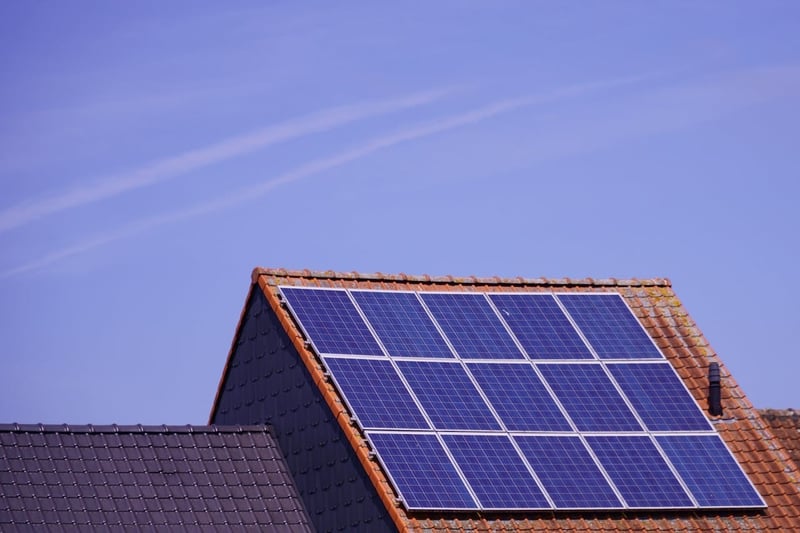
While rooftop solar adoption has surged as families seek relief from load shedding and rising costs, households are running into new obstacles. Current regulations require all grid-tied solar systems under 100kVA to be signed off by professional engineers, a process that can cost up to R20,000. By contrast, a registered electrician’s Certificate of Compliance - long recognised as an industry safety standard - costs closer to R1,500.
The South African Bureau of Standards (SABS) is finalising changes that would allow licensed electricians to certify solar installations - a move that could dramatically cut compliance costs and accelerate adoption.
At the same time, Eskom’s Homeflex tariff is emerging as another stumbling block. The tariff includes mandatory smart meters and sharply higher fixed connection fees, which effectively penalise households that consume less grid electricity after installing solar.
A growing risk of grid defection
Energy analysts caution that this model could backfire. By raising fixed costs, Eskom risks pushing more households to disconnect from the grid entirely - shrinking its customer base and creating further instability in electricity pricing.
For families considering rooftop solar, this uncertainty makes investment decisions riskier and long-term savings harder to calculate.
The way forward
Alumo Energy argues that reforms are urgently needed to restore confidence:
- Lower compliance costs – enabling qualified electricians to certify installations would remove unnecessary barriers.
- Transparent tariff structures – tariffs must reflect actual grid use rather than penalise households choosing solar.
- Regulatory clarity – consumers and investors need predictable policies to make informed long-term decisions.
“This is a crossroads moment,” says Alumo Energy. “Solar should cut costs, not add hidden ones. With fair, transparent policies, households can save thousands of rands each year and South Africa can accelerate its energy transition. The alternative is a cycle of mistrust, stalled investment, and higher costs for everyone.”
Release information
Issued on behalf of
Alumo Energy
Media contact
PR Worx
Jeanette Phillips