
Psychological Safety Is The Workplace Superpower We Don’t Talk About Enough
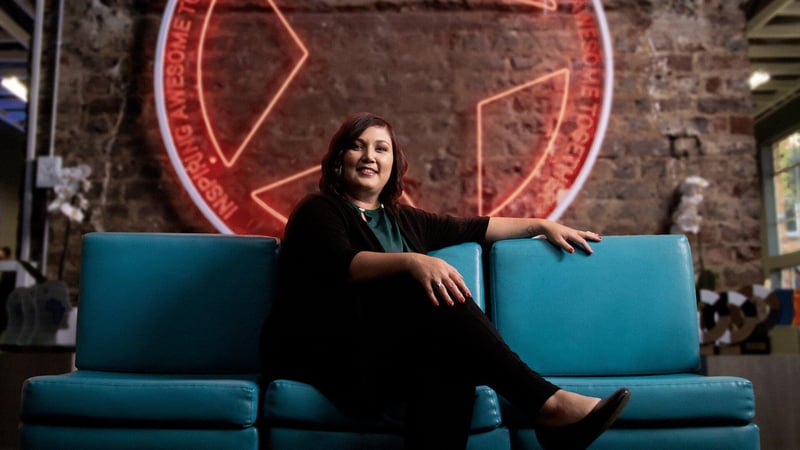
As South Africa marks Mental Health Awareness Month, businesses are being encouraged to look beyond traditional workplace wellness initiatives and consider a less visible but increasingly important factor in employee wellbeing: psychological safety.
Psychological safety refers to an environment where employees feel comfortable speaking up, asking questions, admitting mistakes, challenging ideas and asking for help without fear of embarrassment, judgement or negative consequences. According to Annemie Burger, HR Director at brand and communications agency Penquin, creating this kind of environment can have a meaningful impact not only on employee wellbeing, but also on collaboration, innovation and business performance.
“Mental health in the workplace is about much more than whether employees are experiencing stress or burnout,” says Burger. “It is also about whether people feel safe enough to be honest about how they are doing, to ask for support when they need it and to express an opinion without worrying about how that opinion will be received.”
The importance of psychological safety is particularly evident in creative and communications industries, where successful work depends on people being willing to question, challenge and explore ideas.
“The best creative work doesn't happen because everyone agrees with each other,” Burger explains. “It happens when people feel comfortable enough to say, ‘I don't think this is working,’ or ‘What if we tried something completely different?’ If employees are worried about looking foolish or challenging someone more senior, you can lose some of the most valuable thinking before it even reaches the table.”
Building a culture where people can speak up
Creating psychological safety does not mean removing accountability or avoiding difficult conversations. Rather, it is about creating an environment where people can have those conversations constructively.
According to Burger, leadership plays a fundamental role in establishing this culture.
“Employees are constantly watching how leaders respond to questions, disagreement and mistakes,” she says. “If a manager reacts defensively when challenged, people quickly learn to keep their opinions to themselves. If a leader is willing to say, ‘I don't know’ or ‘I got that wrong’, it sends a very different message to the team.”
The same applies to mistakes. While accountability remains important, a workplace where employees fear punishment for every error can inadvertently encourage people to hide problems rather than address them.
“If someone makes a mistake, our first instinct shouldn't always be to ask who is to blame,” says Burger. “We should also be asking what happened, what can we learn from it and how we prevent it from happening again. When people know they can be honest about a mistake, you are much more likely to find solutions quickly.”
For employees, psychological safety can also mean feeling comfortable asking for help before a challenge becomes overwhelming. This is particularly relevant to conversations around mental health, where fear of being perceived as incapable can prevent people from speaking up.
“We need to move away from the idea that asking for help is a weakness,” Burger says. “People can be highly capable, ambitious and committed to their work and still have moments where they need support. A psychologically safe workplace makes space for that reality.”
Why it matters for business
While psychological safety is often discussed in the context of employee wellbeing, its impact extends into the broader performance of an organisation.
Teams where people feel able to contribute different perspectives can make better-informed decisions, identify problems earlier and challenge assumptions that might otherwise go unquestioned. For creative businesses, it can also provide the foundation for more ambitious ideas.
“You cannot ask people to be innovative and then create an environment where they are afraid to fail,” Burger says. “Creativity requires a degree of experimentation. You need people to be willing to put an idea on the table that might not work. If the culture punishes every unsuccessful idea, eventually people will only bring you the safe ones.”
For Penquin, the conversation is ultimately about creating a workplace where high performance and employee wellbeing are not viewed as competing priorities.
“Psychological safety isn't about making work easy or making sure everyone is comfortable all the time,” Burger concludes. “It is about creating enough trust for people to have the difficult conversations, challenge one another respectfully, admit when they don't know something and ask for help when they need it.”
As Mental Health Awareness Month shines a spotlight on the importance of creating healthier workplaces, Burger believes organisations should consider not only what wellness programmes they offer, but what their employees experience every day.
“The real question businesses should be asking is not simply whether they have mental health initiatives in place,” she says. “It is whether people actually feel safe enough to use them, speak up and be honest when they are struggling. That is where workplace culture becomes just as important as policy.”