
Healthcare, Retirement and Skills Development as the Trifecta of Total Rewards
An organisation’s ability to attract and retain top talent often hinges on how well it designs and delivers a total rewards program that speaks to the real needs of today’s workforce. With nearly 60% of employees considering leaving their current job according to Aon’s 2025 Employee Sentiment Study, the stakes are high. Employers are under pressure to move beyond basic pay and perks and offer programs that genuinely resonate.
- 72% of employees value benefit customisation
- Only 41% report access to personalised benefit options
- 47% rank better-than-average pay and meaningful benefits as their top driver in choosing an employer
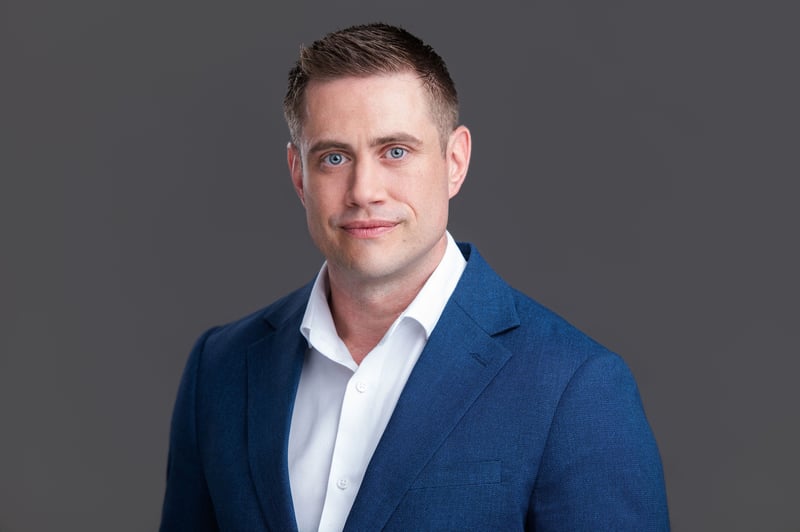
Jordan Moller from Aon South Africa’s Employee Benefits Division says it is critical for organisations to balance evolving employee expectations with rising costs and economic pressures. “Healthcare costs continue to rise, inflation is eroding financial wellbeing and market volatility is putting retirement readiness at risk,” he notes. “These are challenges organisations can’t ignore if they want to build a resilient workforce.”
While total rewards should encompass the full employee experience, three components stand out as the foundation of long-term impact: healthcare, retirement planning and skills development. Together, they form a trifecta that not only protects employees today but also prepares them for tomorrow.
Healthcare
Healthcare remains the cornerstone of employee wellbeing. In South Africa, the affordability and sustainability of medical schemes is a pressing issue, especially given the wide income disparity across the workforce. To further add complexity within the employer group space, there is a mix of low-high income earners, where the need for primary healthcare insurance to provide day-to-day benefits may be a more viable option for lower income earners.
“Affordability remains a concern in a turbulent economy where many households face financial strain. The role of a broker is to evaluate medical scheme and health insurance options and find sustainable, cost-effective solutions that deliver real value to members,” Jordan explains.
Employers are also recognising the role of gap cover in bridging shortfalls and reducing out-of-pocket expenses for employees on medical scheme options. By leveraging data on benefit usage and scheme revisions that are currently underway, organisations can design healthcare programs that balance short-term affordability with long-term sustainability.
Retirement Planning
In a job market increasingly structured around Total Cost to Company (TCTC) models, many employees are left to make their own provision for retirement. The economic squeeze has led some households to pause or reduce contributions, but the long-term consequences are severe.
“Adjusting contributions impacts not only taxable income but also future retirement security. Engaging with an advisor is essential to ensure affordability today without undermining tomorrow’s financial wellbeing. Employers who integrate retirement readiness into their rewards offering demonstrate real care for employees’ futures and differentiate themselves as long-term partners in financial security,” says Jordan.
Skills Development
Skills development is the third pillar - and arguably the one that ensures the sustainability of the other two. By investing in continuous learning, employers empower employees to grow their earning potential, adapt to market shifts and remain employable in a rapidly changing economy.
“A strong skills development framework goes beyond technical training. It incorporates soft skills, professional competencies and behavioural capabilities that enable agility, resilience and innovation. When leaders have consistent tools to understand and manage workforce skills, organisations can better align talent to business needs and unlock future growth,” Jordan explains.
Making the Most of Total Rewards
To maximise the impact of total rewards, organisations should take a data-led approach that aligns spend with employee sentiment and business outcomes. Practical steps include:
- Align rewards to business goals – Use data on compensation, benefits, health, retirement readiness and skills needs to guide decisions.
- Treat health as a business asset – Manage rising health costs strategically, with a long-term view to protect productivity and reduce inefficiency.
- Invest in skills development – Build resilience by equipping employees with the competencies and confidence to grow within the organisation.
The workforce of the future demands more than paycheques and perks. “By focusing on healthcare, retirement planning and skills development, organisations create a powerful, people-centred total rewards strategy that addresses immediate needs, secures long-term wellbeing and enables sustainable growth. In doing so, they not only retain their best talent but also position themselves as true employers of choice,” Jordan concludes.
About Aon
Aon exists to shape decisions for the better — to protect and enrich the lives of people around the world. Through actionable analytic insight, globally integrated Risk Capital and Human Capital expertise, and locally relevant solutions, our colleagues provide clients in over 120 countries and sovereignties with the clarity and confidence to make better risk and people decisions that help protect and grow their businesses.
Follow Aon on LinkedIn, X, Facebook and Instagram. Stay up-to-date by visiting the Aon Newsroom and sign up for News Alerts here.
Get new press articles by email
As a boutique public relations agency, we have made a conscious decision to be a small giant. Not the biggest, but the very best at what we do. Our success lies in our exclusivity, our passionate involvement and the pursuit of excellence in all that we do for our clients. TSC Johannesburg is a leading boutique public relations agency representing some of South Africa’s most prestigious... Read More
Latest from
- MetroFibre Brings Affordable Fibre Connectivity to Beaufort West
- Why expert advisory matters more than ever in CX outsourcing
- Future-Driven Finance - How CFOs can thrive in an age of disruption
- The Cost of an Empty Seat, Table or Room in Hospitality
- Rethinking Business Interruption Cover As New Risks Challenge Traditional Insurance Models
- South Africa’s Changing Mobility Dynamics Shift Two-Wheeler Demand from Niche to Mainstream
- Are You Ready if SARS Comes Knocking?
- Beyond the Badge - Why Experience Will Define Automotive Loyalty in South Africa
- From compliance to real inclusion - Why the new 3% disability employment target matters - and how hosted learnerships can help business deliver
- Bulksms Achieves Top-Tier Comreg Ireland Conformity Index Rating, Reinforcing Trust In Business Messaging
- Innovation in incentives and loyalty
- South Africa has crossed a solar inflection point
- Kero Partners with Dotgo
- Customer experience is the growth blind spot keeping many small businesses small
- SA’s Cargo Risks and Hijacking Surge - Why Cargo Theft Is Now a Strategic Risk
The Pulse Latest Articles
- Interpol Warns Of Global Crime Networks, Sa Businesses Urged To Rethink Detection (April 10, 2026)
- Adaptive Leadership In Motion: Why Logistics Needs A Different Kind Of Strength (April 9, 2026)
- Ai Isn’t Shrinking Marketing Jobs - It’s Exposing A Bigger Talent Crisis (April 8, 2026)
- Stones Safaris Unveils A New Approach To Safari Through Experience-led Activities (April 8, 2026)
- Bright Beginnings Preschool Celebrates Linden Campus (April 2, 2026)