
Bribery - The biggest corruption risk facing SA businesses
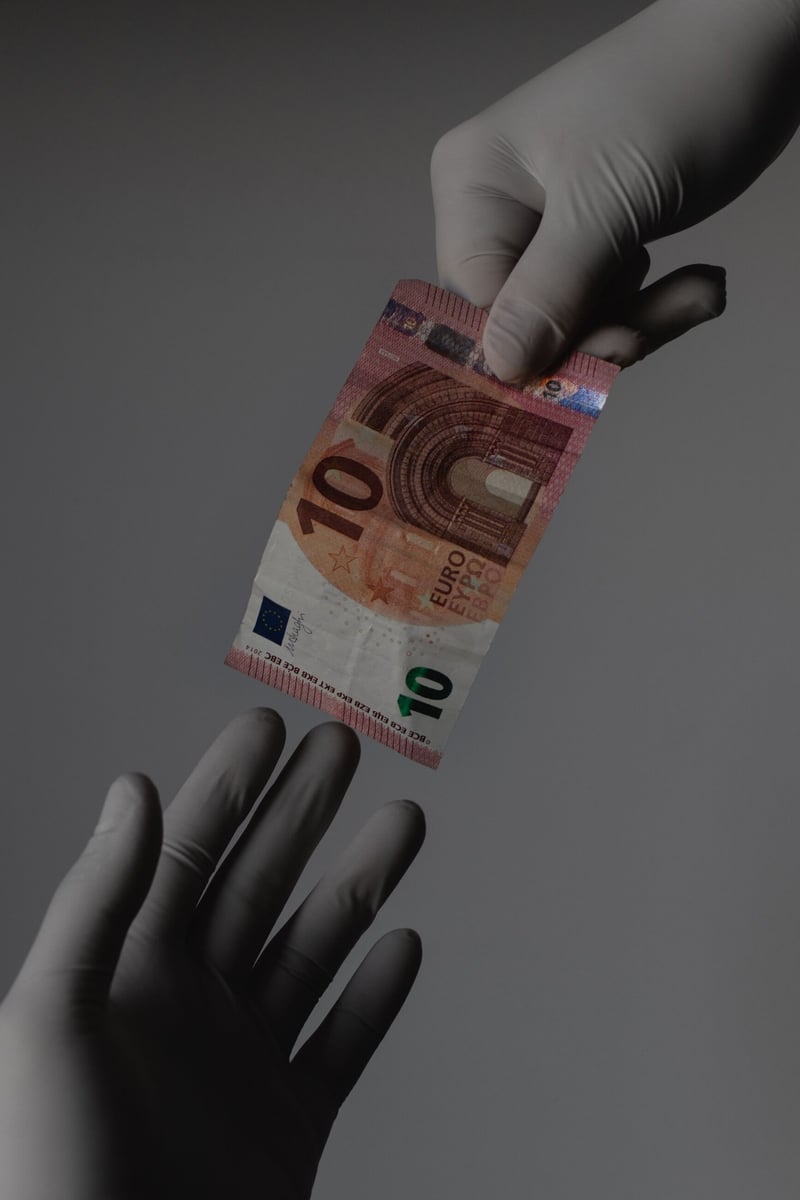
“The Prevention and Combating of Corrupt Activities Amendment Bill, recently tabled before Parliament, calls for stricter mandatory reporting thresholds and supports severe penalties for failure to report corruption,” says Elani Vogel, Senior Forensics Manager at Loxton Forensics.
As Parliament considers tougher anti-corruption laws, many South African businesses may discover that their biggest corruption risk doesn't involve cash-filled envelopes or secret meetings.
Today's bribes are often hidden in what appear to be perfectly legitimate business transactions.
Unlike fraud, which enriches one or more individuals at their employer’s expense, bribery is an agreement between parties that leaves a unique two-way trail. So, what should companies look out for?
The face of bribery
In the past, bribes were passed under tables in brown envelopes. Today’s anti-money laundering laws and regulations make this impractical.
“Banks and other financial institutions are required by FICA to flag large withdrawals, and SARS demands receipts for major disbursements, so paying bribes in cash is very risky,” says Vogel.
Modern bribery tries to camouflage itself as legitimate business expenditure, making it difficult - but not impossible - to detect.
What to look out for
Generally, companies should be aware of red flags in several key areas that suggest either the giving or taking of a bribe.
Financial and transactional anomalies. Finance staff should be aware of and look for atypical patterns in accounting transactions. Examples may include repeating amounts just below approval thresholds, split invoices, unusual payment timing, or steadily increasing billings for the same type of work. Also be alert to transaction spikes around the time of significant events, like approval of a contract.
Questionable vendor relationships. It’s often quicker to verify vendors than validate transactions. For example, was a vendor only recently incorporated, is it a shell company, are its directors somehow related to your staff, or are payments made to a ghost, Cayman Islands, or Swiss Bank account?
Bypassed policies or procedures. In addition to checking preferred supplier approval, ask whether required credential checks were ignored, there was an executive override, the procurement process was rushed, or mandatory parameters or metrics were violated.
Document trail deficits. Check for missing or unacceptable documentation, such as no signed contract, a vague proposal of services to be rendered, missing purchase orders or SLAs, or any other documentation normally required in the course of business.
Real-world checks. Were all deliverables - whether services or goods - actually received, were they complete and of the quality expected, and can the managers involved explain any discrepancies? For example, is a delivered strategy document just a cut-and-paste copy of another work, or wordy to the point of being meaningless?
Of course, there are numerous ways bribery can be hidden, so companies must focus on building greater internal awareness to ensure successful detection.
Capabilities and support
“It’s no use having a solid framework for detecting bribes if it is not backed by technical competence and organisational support,” says Vogel.
Ideally, companies also need to implement measures to enable their staff.
Consider the following:
Automation has freed modern accountants to become business advisors. Their ongoing duties should include risk-driven forensic accounting that delves into the background of transactions.
An internal audit function should exist, have the authority to investigate senior management while remaining independent of their authority, and report directly to an Audit Committee.
Data integration and analytics could be employed to cross-analyse payroll, accounts payable, supplier registries, employee records, and external data to discover relationships indicative of bribery.
Procurement, finance, operations and other relevant managers and staff need to be trained on what bribery red flags look like in their specific roles, and how to respond to them.
The board should build a culture that provides secure and anonymous incident reporting, protection for whistleblowers, and clear escalation protocols, to encourage staff to come forward and be heard without fear of repercussions.
Looking beyond the red flags
There are cases where bribery is almost impossible to confirm internally, even when suspected.
Did your operations director pay for that holiday in Paris shortly after a substantial rand-value contract was signed? Or was it gifted to them?
Was a consultant in your firm awarded an exorbitant signing bonus after winning a contract, and will the majority of that find its way back to your client’s CIO?
Bribery is rarely exposed by a single red flag," concludes Vogel. "It's usually uncovered when organisations connect the dots between financial data, procurement decisions, employee behaviour and supplier relationships.
Businesses that build this capability into their governance structures are far better equipped to identify corruption before it becomes a crisis.
ENDS
Release information
Issued on behalf of
Loxton Forensics
Media contact
Reklame
Rosa-Mari Le Roux