
Johannesburg Landscaping Standards Rise as Material Durability Becomes Central to Professional Garden Edging
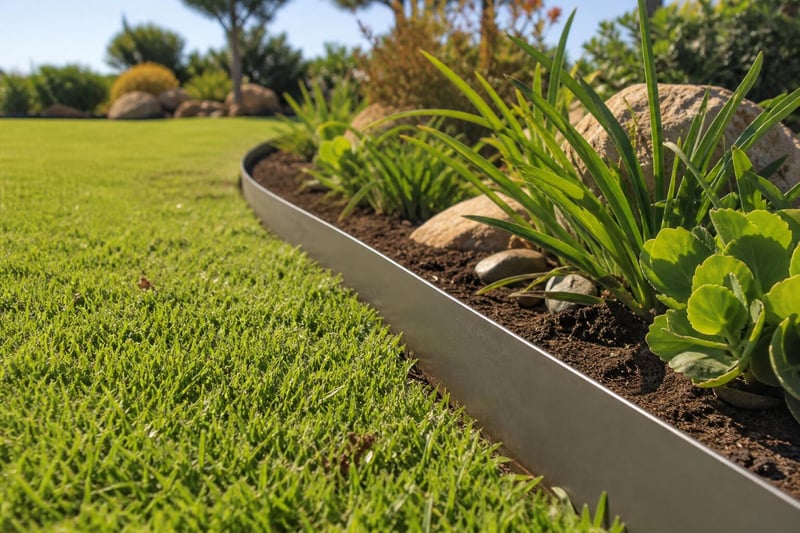
As the landscaping sector across Gauteng adapts to increasingly volatile weather patterns, industry experts are emphasizing the critical role of material durability in exterior design. For property owners and developers in Johannesburg, the selection of garden borders has shifted from a purely aesthetic choice to a strategic infrastructure investment. This evolution in the market is driven by the unique environmental stressors of the Highveld, where extreme UV exposure and dramatic temperature fluctuations can rapidly degrade inferior materials.
According to specialists in the field, the demand for high-performance landscaping solutions has led to a re-evaluation of traditional edging techniques. In a recent market assessment, Garden Cobble Edging highlighted that the integrity of a landscape’s perimeter is essential for soil retention, moisture management, and the long-term preservation of high-value horticultural installations.
Navigating the Challenges of the Johannesburg Micro-Climate
Johannesburg’s climate presents a specific set of challenges for outdoor materials. The region is characterized by high-intensity sunlight, which accelerates the degradation of plastics and low-grade composites through photo-oxidation. Furthermore, the cycle of dry winters and heavy summer convectional rainfall causes significant expansion and contraction in the soil, particularly in areas with high clay content.
These geological and climatic factors necessitate the use of materials that possess high compressive strength and thermal stability. "Standard plastic benders or treated timber often fail within twenty-four months in the Gauteng sun," explains the technical team at Garden Cobble Edging. "Professional-grade installations must account for the physical pressure exerted by saturated soil during the rainy season, as well as the mechanical stress from lawn maintenance equipment."
The Evolution of Professional Garden Edging Solutions
To address these regional challenges, the industry has turned toward specialized concrete and stone-based systems. These materials offer the necessary density to remain fixed in place despite soil movement. Unlike traditional brick-laying, which can suffer from mortar cracking and weed ingress over time, modern professional garden edging utilizes advanced casting and interlocking techniques that ensure a continuous, resilient barrier.
The benefits of these durable systems extend beyond mere longevity. From a maintenance perspective, a robust edging solution serves as a permanent mower strip, preventing the encroachment of invasive grass species into flower beds and reducing the labour required for edge-trimming. This functional efficiency is a key consideration for commercial property managers and homeowners looking to optimise their landscaping budgets.
Comparative Material Analysis
Natural Stone and Cobbles: High aesthetic value and exceptional durability, though requires expert installation to prevent shifting.
Pre-cast Concrete: Offers a balance of cost-effectiveness and structural integrity; highly resistant to UV and mechanical damage.
Metal Edging: Effective for contemporary designs but must be treated for corrosion resistance to survive Johannesburg’s summer humidity.
Timber: Often chosen for initial cost savings but prone to rot and termite infestation in the South African climate.
Strategic Implementation and Long-term ROI
From a corporate communications perspective, the shift toward permanent edging solutions reflects a broader trend in South African real estate: the focus on sustainable value. High-quality landscaping contributes significantly to the "curb appeal" and eventual resale value of a property. By investing in durable materials early in the development phase, owners avoid the recurring costs of replacement and repair associated with temporary solutions.
Industry leaders suggest that when selecting a service provider, stakeholders should look for companies that provide end-to-end solutions, from site assessment to precision installation. The integration of bespoke landscaping infrastructure allows for greater design flexibility, enabling the creation of clean geometric lines or organic curves that define the architectural character of a space.
Future-Proofing South African Landscapes
As water scarcity remains a perennial concern in South Africa, the role of garden edging in water conservation is also gaining prominence. Effectively designed borders help contain mulch and organic matter, which in turn improves water retention in the soil. This synergy between structural landscaping and environmental stewardship is expected to drive further innovation in the sector.
For Johannesburg’s landscaping professionals, the message is clear: durability is the cornerstone of design. As the city continues to densify and the value of private and communal green spaces rises, the implementation of robust, climate-appropriate edging will remain a hallmark of quality construction and professional property management.
By prioritising materials that can withstand the rigours of the Highveld, developers and homeowners alike can ensure that their outdoor environments remains both functional and visually compelling for decades to come.
Release information
Issued on behalf of
Garden Cobble Edging
Media contact
Shout Local
Tiffany S