
Textile Innovation - A Strategic Guide to Sourcing Sublimation Printing in Johannesburg’s Manufacturing Sector
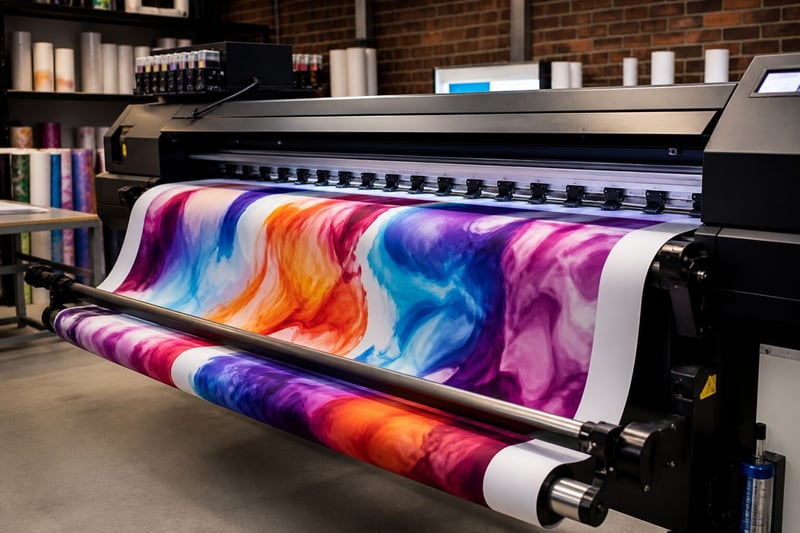
As South Africa’s manufacturing sector navigates a complex economic landscape, localised production and technological adoption have become the dual pillars of industrial resilience.
Within the textile and apparel industry, the shift toward high-precision, durable, and scalable decoration methods has positioned sublimation printing as a critical asset for local manufacturers.
In the heart of the country's industrial hub, the demand for sophisticated specialised sublimation printing in Johannesburg has reached a new peak, driven by a need for faster turnaround times and superior product longevity.
For South African manufacturers, sourcing the right printing partner is no longer merely a matter of cost, but a strategic decision impacting supply chain efficiency and brand integrity.
This guide explores the technical requirements, market advantages, and logistical considerations essential for sourcing high-calibre sublimation services in the Johannesburg region.
The Technical Shift: Why Sublimation Leads Textile Decoration
Sublimation printing differs fundamentally from traditional surface-level applications like screen printing or vinyl transfers.
The process involves a chemical reaction where heat turns solid dye into a gas, allowing it to permeate the fibres of synthetic fabrics, primarily polyester blends, before reverting to a solid state.
This molecular bond ensures that the print becomes an integral part of the fabric, resulting in a finish that is resistant to cracking, peeling, or fading, even under the harsh ultraviolet conditions prevalent in the South African climate.
According to industry experts at Pink Crystal Clothing, the technical advantages of this method are particularly relevant for the high-performance sportswear, corporate apparel, and industrial textile sectors.
"Sublimation offers a level of detail and colour vibrancy that traditional methods cannot replicate," states the production lead at Pink Crystal Clothing.
"For manufacturers, the ability to produce complex, full-colour designs without the setup costs associated with screens or plates allows for greater flexibility in small-to-mid-size production runs."
Critical Factors in Sourcing a Johannesburg-Based Partner
When evaluating sublimation providers in Gauteng, manufacturers must look beyond the initial quote and assess the underlying infrastructure of the service provider.
High-volume manufacturing requires a partner capable of maintaining colour consistency across multiple batches: a challenge that often separates professional facilities from smaller, less-equipped shops.
Equipment and Ink Quality
The calibre of the output is directly tied to the wide-format printers and heat-press machinery utilised.
Professional-grade equipment ensures uniform heat distribution, which is vital for preventing "ghosting" or uneven dye penetration.
Furthermore, the use of high-quality, eco-solvent inks is essential for meeting international safety and environmental standards, particularly for manufacturers looking to export South African-made goods to European or North American markets.
Fabric Compatibility and Pre-Production Testing
Sublimation requires a high polyester count (typically 60% or higher) to achieve optimal results.
A reputable partner should offer comprehensive substrate testing.
Pink Crystal Clothing emphasises that understanding the "hand" or feel of the fabric after the sublimation process is crucial for garment manufacturers who prioritise wearer comfort alongside aesthetic appeal.
Throughput and Scalability
In the Johannesburg industrial corridor, speed to market is a competitive advantage.
Manufacturers should vet potential partners for their daily output capacity and their ability to scale during peak seasons.
Proximity to major logistics hubs in City Deep or OR Tambo International allows for streamlined distribution, making Johannesburg-based facilities the logical choice for national supply chains.
The Economic Impact of Localised Sublimation Sourcing
The movement toward "Proudly South African" manufacturing is supported by the logistical benefits of sourcing printing services within the Gauteng province.
By partnering with local experts for sublimation printing in Johannesburg, manufacturers significantly reduce lead times and eliminate the currency volatility risks associated with importing finished goods.
Furthermore, localised sourcing allows for more rigorous quality control.
Industrial clients can engage in face-to-face consultations, review physical strike-offs (samples), and conduct site audits to ensure that social and labour compliance standards are met.
This transparency is becoming increasingly vital as South African retailers and corporate buyers demand greater accountability throughout their garment supply chains.
Sustainability and the Future of Textile Printing
As the global textile industry moves toward more sustainable practices, sublimation printing stands out for its relatively low environmental footprint.
Unlike traditional dyeing processes, sublimation is a "dry" process that requires minimal water.
For Johannesburg manufacturers operating under municipal water restrictions or aiming for ESG (Environmental, Social, and Governance) targets, this reduction in water consumption and chemical runoff is a significant advantage.
Looking ahead, the integration of digital workflows and automated cutting systems alongside sublimation technology will further reduce fabric waste.
By adopting these advanced bespoke textile manufacturing solutions, South African companies are not only servicing the local market but are positioning themselves as competitive players in the global apparel landscape.
Conclusion
For manufacturers in Johannesburg and the wider Gauteng region, the transition to sublimation printing represents more than an aesthetic upgrade; it is a commitment to quality and industrial efficiency.
By selecting a partner like Pink Crystal Clothing that understands the nuances of the South African manufacturing environment, businesses can ensure their products meet the rigorous demands of today’s consumers while supporting the growth of the local economy.
Release information
Issued on behalf of
Pink Crystal Clothing
Media contact
BRBD Marketing
Tiffany S