
Lithium prospecting in KwaZulu-Natal threatens farms, jobs and communities as South Africa pushes critical minerals
Written by: BizCommunity Editor Save to Instapaper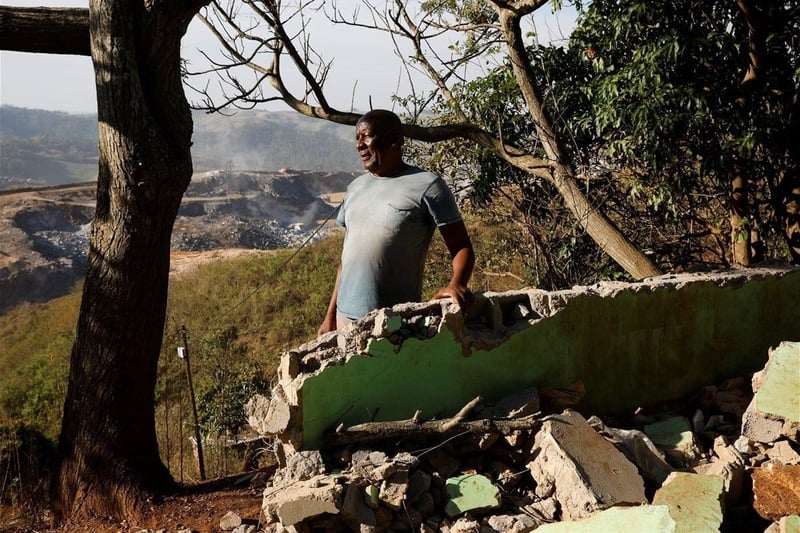
On the southeast coast, where a lithium mine operates and more than a dozen prospecting licences have been granted since 2023, scores of generations-old farming communities are relocating.
A coalition of activists is launching objections to the prospecting, which according to one group, the South Coast Guardians Association (SCGA), threatens 30,000 jobs in farming, labouring or services in this sugar-exporting and tourism hub.
Data from South Africa’s mines department, reviewed by Reuters, show lithium prospecting licences claiming some 73,000 hectares, an area slightly larger than the city of Pretoria.
Most of it is farmland spanning 117 farms, but also beaches.
The existing lithium mine, which also plans to expand, covers 150 hectares of pits and 180 hectares of waste dumps.
“Should all these prospecting licences be granted mining licences, the impact would be catastrophic,” SCGA general manager Heather McLoed said.
“It affects the small-scale farmers directly, their communities, their shops, and ... the sugar mill” handling their harvests, she said at the mill, which crushes two million metric tonnes of cane a year from 2,000 small-scale and 600 commercial growers.
As the climate crisis and disrupted oil shipments from the US-Iran war propel investment in clean energy, South Africa has made critical minerals key to its economic revival plans.
President Cyril Ramaphosa told Parliament in February that South Africa had R40tn worth of critical minerals, describing them as a “sunrise industry” with potential to create jobs and strengthen the industrial base.
Losing homes to lithium
On an afternoon in June, Albert Mthembu, 62, was examining the fissures in his brick bungalow in the hillside village of Magog, in the eastern KwaZulu-Natal province, the largest of the country’s three lithium hotspots.
He told Reuters the fissures were caused by blasting from the mines.
An excavator on the adjacent hill was kicking up clouds of dust as it shifted rocks; Mthembu had visited the doctor twice for lung issues.
Having lived in Magog since he was six, he wanted his children to inherit the house and neat lawn occupied by chickens.
Now, he sees no option but to move.
“The blasting isn’t good. We’ve got kids, we’ve got animals, the trees are even being damaged,” he said on the slopes of the village, where dying trees drooped.
Mthembu’s friend has already left, his house reduced to rubble by workers expanding the mine, according to three villagers. Seven other houses were visibly dismantled.
Reuters interviewed 11 farmers in the area, all of whom shared similar concerns.
A spokesperson for the Department of Mineral and Petroleum Resources did not respond to Reuters’ request for comment.
The privately owned mining company was relocating villagers, but many were unhappy with the new land, Mthembu said, as it was remote and less suitable for planting.
SA Lithium director Ian Harbottle said it had relocated 150 farmers, all willingly.
“If there’s one challenge, I’m unable to move them fast (enough) because everybody is significantly better off,” he said.
Low carbon, low extraction
Clean energy requires less material extraction than the fossil fuel industry it is replacing.
A 2024 Breakthrough Institute paper showed that coal, South Africa’s power-generation staple, extracts 1,180 tonnes of material per gigawatt, on average, compared with 59 tonnes for wind and 45 tonnes for solar, including all the minerals for battery storage in an average installation.
Yet landscape-scarring mining remains a contentious part of the transition in countries from Portugal to the United States. Rock waste can degrade land quality, as has happened in Australia and China.
“Yes, it ... does make a hole. Yes, there are dumps, butwe’vee done extensive (anti-pollution) work. We are more than compliant,” Harbottle said, adding that the mine had created over a thousand jobs.
According to one farmer’s submission on SA Lithium’s plans to expand over 6,000 hectares, the mine could “permanently degrade water quality, soil quality and reduce the long-term viability of farming”.
Harbottle disputes that.
“No water from the mine ever goes into any of the rivers”, but into dams to be used for processing or dust suppression, he said.
SA Lithium’s operations are tiny compared with the area being prospected, where farmers grow an annual million tons of cane and macadamia nuts.
That worries locals more than the existing mine.
“The future of farming here is gone,” said Joe Nkala, 51, a cane-growing consultant to small farmers, on a hilltop with sugar farms down one side and a black-grey gash on the other.
“My kids will have to find a new life.”
Get new press articles by email
The Pulse Latest Articles
- Shorter Safari Getaways Are Reshaping The Greater Kruger Stay (August 5, 2026)
- Philippe Starck: The Visionary Designer Behind Axor's Most Iconic Creations (August 5, 2026)
- Executive Job Evaluation: Why Context Matters More Than Job Titles (August 4, 2026)
- Save Water, Energy And Money With Smart Bathroom Solutions (August 3, 2026)
- The Grey Zone Just Got Expensive: How Sahpra's Crackdown Is Reshaping South Africa's Cannabis Market (August 3, 2026)