
Women In Music Share Powerful Stories Of Motherhood Creativity And Survival At Cape Town Gathering
Written by: BizCommunity Editor Save to Instapaper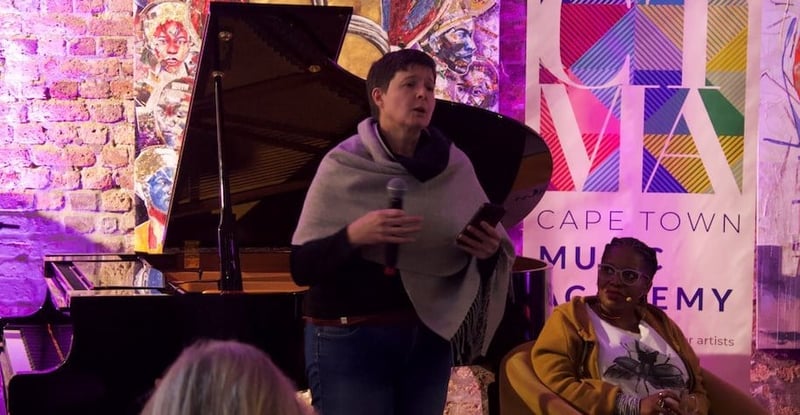
This was the central message at a recent Women’s Month gathering in Cape Town, hosted by Concerts SA, Southern African Music Rights Organisation (Samro), the South African Cultural Observatory and the Festival Enterprise Catalyst.
The panel, led by journalist and academic Gwen Ansell, featured songstress Lu Dlamini, musician Aus Tebza (Tebogo Sedumedi), music multi-hyphenate NickyB (Blumenfeld), music professor Alethea de Villiers and international (South African born, Belgium based) jazz artist, Tutu Puoane, who closed the event with a sold out intimate concert.
The panel was hosted by Andre le Roux.
Research from Concerts SA shows that 56% of women in the live music sector earn less than R5,000 a month.
Many survive by building ‘protean careers,’ combining their music with other jobs and personal brand work. Motherhood adds another layer of complexity.
When the all-women panel were asked by an audience member how they return to work after having a baby, several musicians said they relied on family support, while others simply bring their children along to gigs; and Tutu quipped, “just buy earmuffs”.
But 68% of the women surveyed in the Women in Live Music in South Africa report also said they felt unsafe while commuting to and from work at late hours, adding complexity to the idea of travelling late at night with a baby or small child.
While projects like the Festival Enterprise Catalyst (with support from the Jobs Fund) are helping to improve the predictability of a line-up of paid gigs, through the Concerts SA’s Mobility Grant, touring as a mother remains difficult, particularly when children reach school age.
At that point, many talented musicians seek alternative employment.
The FEC’s Monica Newton notes that the creative sector has a low barrier to entry when it comes to job creation.
“The sector presents an enormous opportunity to drive entrepreneurship and short-term job creation. The key is to make it sustainable enough to keep people in their careers, building their portfolios of work and driving mentorship within the sector. The nighttime economy has great potential, and some countries are even making this their growth priority. At the FEC, we have a vision for enabling artists with a pipeline they can build on. This project is in its pilot phase now, but we are already learning about the positive impact on well-being and quality of work.”
Work is not just work; it needs to come with commensurate pay.
During the Women in Live Music panel, NickyB noted that she and her peers are often being paid less now than they were 10 years ago, even while being asked to do more.
She said women are frequently forced to accept gigs for less than they would like and are often paid less than their male counterparts. “There’s still this thing about needing to prove yourself,” she added.
The panellists agreed that clients rarely account for the hidden costs or “pink tax” of a gig: years of lessons and experience, rehearsal time, instruments, clothing, hair, make-up, marketing materials and the time invested in building a personal brand.
While they love their craft, the women stressed they cannot work solely for passion.
Lu Dlamini emphasised the need for a deeper understanding of the value of the arts; “This starts with early education. We should be educating our children from very early on to cherish and value the arts and to invest in it for themselves and others.”
Puoane, who now lives in Belgium, shared how European schools often rent instruments to students, making music education far more accessible.
“We have no shortage of talent in South Africa, but many young people never get the chance to try music, much less progress to creating new African music.”Until that value is recognised and supported, these women continue making sacrifices to keep their music alive.
Get new press articles by email
We submit and automate press releases distribution for a range of clients. Our platform brings in automation to 5 social media platforms with engaging hashtags. Our new platform The Pulse, allows premium PR Agencies to have access to our newsletter subscribers.
Latest from
- 7 Business Trends Your SME Can Leverage In 2026
- Sadilar Amplifies Visibility And Impact During Conference Season
- Future-ready Logistics- 5 Shifts TO Watch In 2026 (SUB-saharan Africa)
- Dunlop Urges Motorists To Prioritise Tyre Safety On The Busy Joburg To Cape Town Festive Route
- Poverty Trends Report Shows National Progress But Flags Growing Challenges In Gauteng
- SDG Challenge SA 2025 Highlights The Power Of Youth Innovation In Shaping A Sustainable Future
- Experienced Industry Leader Pauli Van Dyk Named Dean Of AFDA’s Upcoming Hatfield Campus
- South Africans Keep Tourism Alive As Homegrown Travel And Local Spending Rise
- Pretoria Student Wins Global Excel Esports Competition
- AfDB Steps Up Support For Somalia With $76m Investment In Roads And Regional Integration
- Corporate Law Experts Warn Directors Of Serious Consequences For Improper Transaction Approval
- New 3% Inflation Target Begins To Shift Expectations In South African Economy
- Retail As A Development Catalyst Drives New Africa Developments’ Inclusive Growth Strategy
- Collaborative SEF Model Shows How Civil Society And State Can Rebuild Economic Trust
- Shumani Accelerates Industrial Growth With Bheka Forklifts And New Equipment Plans For 2026
The Pulse Latest Articles
- Education Is The Frontline Of Inequality, Business Must Show Up (December 11, 2025)
- When The Purple Profile Pictures Fade, The Real Work Begins (December 11, 2025)
- Dear Santa, Please Skip The Socks This Year (December 10, 2025)
- Brandtech+ Has 100 Global Creative Roles For South African Talent (December 9, 2025)
- The Woman Behind Bertie: Michelle’s Journey To Cape Town’s Beloved Mobile Café (December 9, 2025)