
Human Centred Workspace Design Drives Productivity Wellbeing And Stronger Business Performance
Written by: BizCommunity Editor Save to Instapaper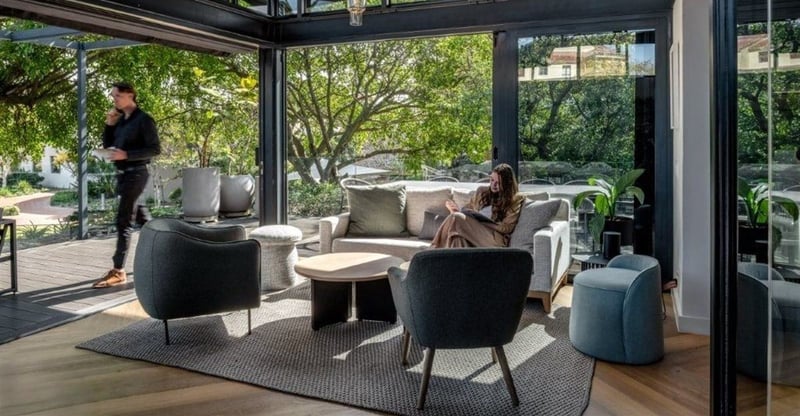
At its core, workspace design is about understanding human behaviour and translating that insight into environments that support focus, collaboration, wellbeing, and adaptability. When done correctly, the results are measurable: improved productivity, higher employee satisfaction, and stronger business outcomes.
Productivity starts with purpose
A productive office is not accidental. It is built through intentional design decisions that align space with the needs of its users. Lighting, layout, acoustics, and furniture all play a role in shaping how people think, feel, and work.
Research consistently shows that well-designed workplaces can increase productivity by as much as 20%, while organisations with engaged, satisfied employees significantly outperform their competitors. The implication is clear: the physical environment is not a backdrop to performance; it is a driver of it.
At Trend Group, we approach every workspace as a living system. By combining workplace analytics with human-centred design, we ensure that every square metre serves a purpose. The result is an environment that actively supports business objectives rather than constraining them.
The science of better workspaces
There is now a substantial body of evidence linking workplace design to performance and wellbeing. Ergonomic interventions can reduce physical discomfort by up to 60%, while activity-based working environments have been shown to increase employee satisfaction and engagement.
These insights reinforce a critical point: productivity is not simply about working harder—it is about removing friction. Poorly designed offices create unnecessary barriers, from distracting noise to underutilised spaces. Effective design, by contrast, enables flow, clarity, and efficiency.
Comfort is often underestimated as a productivity factor. Yet physical strain, fatigue, and poor posture directly impact concentration and output. Ergonomic furniture such as adjustable chairs, sit-stand desks, and well-proportioned workstations forms the backbone of a high-performing workspace.
Beyond improving comfort, these elements contribute to reduced absenteeism and sustained energy levels throughout the day. In practice, even relatively simple interventions can have significant impact. For example, the introduction of sit-stand desks has been associated with notable productivity gains, while also supporting long-term employee health.
One office, multiple ways of working
The modern workplace must accommodate a diversity of tasks and working styles. A single, static layout is no longer sufficient. Activity-based working addresses this by creating distinct zones for different types of work: quiet areas for deep focus, collaborative spaces for teamwork, and informal settings for social interaction.
This flexibility allows employees to choose the environment best suited to their immediate task. At Trend Group, we design these environments using real occupancy data and behavioural insights. This ensures that spaces are not only well-designed, but also well-used, an often-overlooked distinction.
Control is a powerful motivator. When individuals can adjust their environment, whether through lighting, temperature, or workspace selection, they are more comfortable, more engaged, and ultimately more productive.
Flexible design solutions, such as movable furniture, adaptable layouts, and quiet pods, give employees the autonomy to shape their working experience. This sense of ownership translates into higher levels of creativity and job satisfaction.
Designing for wellbeing
Wellbeing is no longer a peripheral concern; it is central to organisational success. Elements such as natural light, biophilic design, and uncluttered environments have a direct impact on stress levels, cognitive function, and overall morale.
Incorporating natural materials, greenery, and access to daylight can significantly enhance mood and focus. At the same time, reducing visual and acoustic clutter supports mental clarity and sustained attention. These are not superficial enhancements; they are essential components of a productive workplace.
Technology has become an integral part of the modern office ecosystem. When thoughtfully integrated, it enhances efficiency, responsiveness, and adaptability.
From app-controlled environmental systems to desk booking platforms and occupancy sensors, smart technologies enable workplaces to respond dynamically to user needs.
They also provide valuable data, allowing organisations to continuously refine and optimise their environments. Crucially, technology should remain an enabler, not a distraction. Its role is to simplify the workplace experience, not complicate it.
Collaboration by design
Collaboration does not happen by chance but is shaped by the environment. Effective collaborative spaces are intentionally designed to encourage interaction while managing noise and distraction. This includes the use of defined zones, writable surfaces, comfortable group seating, and acoustic solutions that balance openness with privacy.
When these elements are aligned, they create a workplace culture where ideas flow more freely and teams work more effectively together. Our work at Trend Group consistently demonstrates the value of a data-driven, human-centred approach.
A recent project for Pinsent Masons in Rosebank illustrates this clearly. By combining flexible desk arrangements, dedicated focus zones, and collaborative spaces with real-time occupancy data, we created a workplace that adapts to its users.
The result was not only improved space utilisation, but also higher levels of employee engagement and productivity. This is the future of workplace design: environments that are both intelligent and intuitive.
Investing in workspace design is not a cost but a strategic decision with measurable returns. Well-designed offices support talent retention, reduce operational inefficiencies, and enable organisations to respond more effectively to change.
The business case for better design
As hybrid and flexible working models continue to evolve, the office must justify its role. It must offer something that cannot be replicated elsewhere: a purposeful, engaging, and high-performing environment.
The organisations that will thrive in the years ahead are those that recognise the workplace as a strategic asset. Designing for productivity is not about following trends; it is about understanding people and creating environments that enable them to succeed.
At Trend Group, we are aligned with global best practice and international workplace trends, continuously bringing the latest innovations and insights to our clients. By combining data, design, and deep industry expertise, we help organisations create spaces that not only reflect where work is today, but where it is going.
If you are ready to transform your workplace into a high-performance environment, discover how we can bring the latest global developments to your business and design a space where your people can truly thrive.
Get new press articles by email
We submit and automate press releases distribution for a range of clients. Our platform brings in automation to 5 social media platforms with engaging hashtags. Our new platform The Pulse, allows premium PR Agencies to have access to our newsletter subscribers.
Latest from
- Leo Satellite Networks Drive New Era Of Broadband Innovation And Industry Collaboration
- Sapoa And AfriForum Win Landmark Case Challenging Property Linked Service Tariffs
- New Perspective Challenges Output Driven Performance Models In Favour Of Sustainable Success
- WEF Report Highlights Surge In Demand For Transferable Skills Across Evolving Job Markets
- Franchisors Recognised As Key Risk Takers Driving Growth And Stability In South Africa’s Franchise Sector
- Holistic Learning Approach Drives Measurable Academic Success And Youth Development At Lynedoch
- New AI And Data Centre Track At AEW Signals Shift In Africa’s Energy And Digital Infrastructure
- France And Transnet Partner To Accelerate Freight Decarbonisation And Sustainable Infrastructure
- Sassa Introduces Digital Systems To Cut Queues And Improve Grant Services Across South Africa
- Rising Enrolment Declines Drive Demand For Online Schools Like CambriLearn Worldwide
- How ZA Domain Extensions Help Businesses Connect With South African Customers Online
- South Africa Announces Major Fuel Price Hikes Amid Global Oil Supply Disruptions
- Viljoensdrift Wines Adapts To Global Decline While Preserving Generational Legacy And Quality
- Boxer Expands Into Retail Media With BMedia Appointment Of Industry Leader Adrian Naidoo
- Airlines Offer Discount Fares Despite Rising Costs And Disruptions Creating Pricing Paradox
The Pulse Latest Articles
- The Achievement Zone: On Behalf Of Clive Robinson, Md Of Tutor Doctor Sa (May 4, 2026)
- Neurodiversity Pride Week Comes To South Africa This June (May 4, 2026)
- Building Ethical Ai Governance In Hr: From Policy To Practice (April 28, 2026)
- Tension Builds As Aquila Boxing Weigh-in Sets The Tone For Fight Night (April 27, 2026)
- Aquila Boxing Promotions Launches Knockout Chaos 1 With Explosive 2026 Fight Night Line-up (April 27, 2026)