
BirdLife International Warns Of Growing Threats Facing The World’s Migratory Bird Species
Written by: BizCommunity Editor Save to Instapaper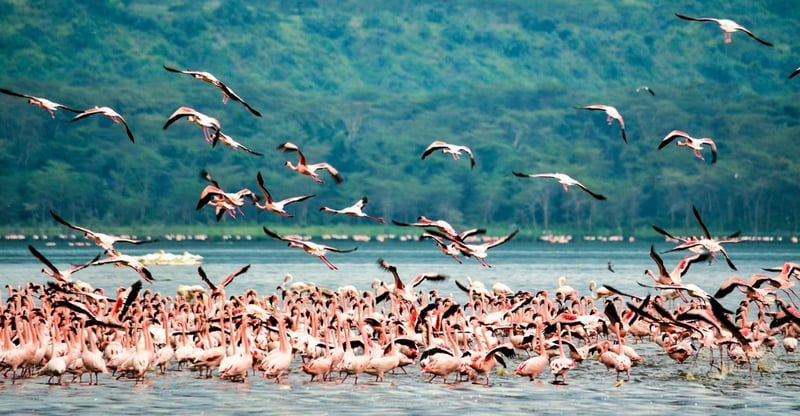
Migratory birds carry nutrients across oceans, pollinate plants, spread seeds, and help keep crops growing and diseases in check.
And yet, worldwide, more than 40% of bird species are now in decline.
Hard to ignore
Martin Harper, BirdLife International CEO, says the signals coming from the great migratory routes are hard to ignore.
“Migratory birds connect us across countries, continents and ocean currents,” Harper says.
“Protecting the major migratory highways of the world is how we reverse those declines.
“And when we do, people gain too: cleaner water, food security, flood protection, and more resilience to a changing climate.”
Observed in May and October each year, World Migratory Bird Day matches the peaks of migration in each hemisphere and invites communities to take part in one of nature’s greatest shared stories.
In May, species along routes such as the African–Eurasian Flyway leave the warmth of Africa and travel north to nest.
Understanding global flyways
BirdLife International, the global partnership conserving birds and all life on the planet, says the day is a chance to better understand the broader impact of birds’ natural migration routes, known as global flyways.
Birds use these routes as they travel between breeding grounds, feeding areas and seasonal refuges.
Around the world, they follow four major flyways on land: the African–Eurasian, East Asian–Australasian, Americas and Central Asian.
They also follow six marine flyways. These pathways stretch across borders and oceans, joining habitats that lie thousands of kilometres apart.
When one link in a flyway is broken, a wetland is drained, or a coastline is degraded, whole species can decline.
Some can vanish for good, as the recent extinction of the Slender-billed Curlew reminds us.
“Migration is one of the wonders of the natural world. It also carries a very practical lesson,” Harper adds.
“International challenges need international cooperation. Protecting flyways helps bring birds back.
“It also brings real benefits to people: healthier wetlands, more reliable food, and stronger resilience as the climate keeps shifting.”
Africa’s central role
One of the world’s most important migration systems is the African–Eurasian Flyway, which links Africa, Europe and Asia.
Along this route, birds travel from the Arctic to southern Africa and back again.
Dr Paul Matiku, executive director of Nature Kenya, the BirdLife Partner in Kenya, says Africa has a central role to play in keeping these shared routes alive.
“Africa is at the heart of some of the world’s great flyways,” Matiku says.
“The health of our wetlands, rangelands and coastlines matters far beyond our borders.
“When we protect these habitats, we protect birds, biodiversity and the communities that live alongside them.”
“It is especially meaningful that the Global Flyways Summit will take place in Nairobi this September – the first time the summit is being held on the African continent.”
Co-hosted by BirdLife International and Nature Kenya, the Global Flyways Summit will bring together leaders from science, policy, finance, business and civil society.
Together, they will agree on the action needed to protect migratory birds and the ecosystems they depend on.
Warning and opportunity
BirdLife scientists will also launch the new edition of the State of the World’s Birds report, with a focus on flyways.
It offers the latest picture of bird populations and what they reveal about the wider health of nature.
“You don’t need to be an expert to care about birds,” Harper concludes.
“When we notice the wildlife around us, we start to understand the condition of the places we all rely on.
“Birds give us both a warning and an opportunity. They show us where nature needs urgent action, and where there is still hope.”
Get new press articles by email
We submit and automate press releases distribution for a range of clients. Our platform brings in automation to 5 social media platforms with engaging hashtags. Our new platform The Pulse, allows premium PR Agencies to have access to our newsletter subscribers.
Latest from
- Department Reassures Communities Over Kouga Dam Stability During Major Flood Event
- South Africa’s Logistics Sector Gains Momentum Despite Global Fuel Price Shock Risks
- African Energy Week Welcomes APPO Chief As Africa Expands Energy Financing Architecture
- New Lending Approach Expected To Improve Credit Access For South Africa’s Small Businesses
- Nigerian Independent Petralon Advances Dawes Island Development Ahead Of AEW 2026
- Sharp Fuel Price Increases Raise Pressure On South Africa’s Road Freight Industry
- Volkswagen Group Africa Names Dr Lungile Mashele As Non-Executive Director
- Nedbank Uses Storytelling And Humour To Reinvent Travel Insurance Advertising Campaign
- Wine Tourism Conference To Spotlight Branding, Sustainability And Visitor Experience Growth
- Show Ghana Love Campaign Earns Global Recognition For Cultural And Social Impact
- South Africa’s Top Court Rules Parliament Failed Over Phala Phala Accountability Vote
- Africa Gains Stronger Representation On 2026 Cannes Lions Shortlisting Jury Panel
- Santam And SAWS Expand Weather Monitoring To Strengthen South Africa’s Disaster Preparedness
- Private Rail Investment Gains Momentum As South Africa Expands Freight Network Reform
- Dis-Chem Launches Health Hub To Transform Retail Into Integrated Healthcare Experience
The Pulse Latest Articles
- Consensuality, A Couples Intimacy Brand, Launches In The Garden Route With A New Retreat Concept (May 7, 2026)
- New Partnership Helps To Boost Msme Funding In Kwazulu-natal (May 7, 2026)
- Glow Through Winter: Meet Gloot’s Girl Essentials Pack (May 6, 2026)
- Solarpop Launches Spot It! South Africa (May 5, 2026)
- Games On The Go For Mother’s Day (May 5, 2026)