
Emira Introduces Eco Friendly Pest Control Solution To Safeguard Wildlife And Support Biodiversity
Written by: BizCommunity Editor Save to Instapaper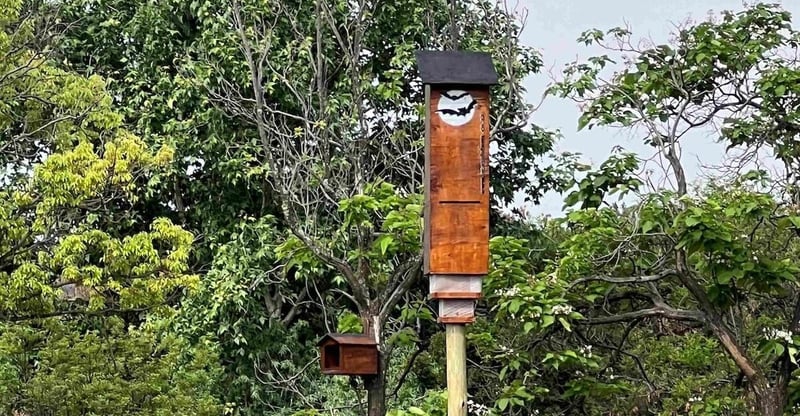
But the dangerous reach of poisons extends far beyond their targets. When natural predators consume poisoned rodents, they too can suffer internal bleeding, immune failure and death. These poisons have become progressively more harmful as rodents are increasingly genetically resistant to rodenticides. Each new generation of poison is crueller and more inhumane than the last. These toxins persist in ecosystems, reducing local predator populations and threatening biodiversity. Despite their dangers to non-target animals and humans such poisons remain widely available and poorly regulated in many countries.
Recognising this, the South African Department of Agriculture, Land Reform and Rural Development has banned certain rodenticides classified under Toxicity Categories 1A and 1B of the Globally Harmonized System (GHS). These substances, linked to cancer, genetic mutations and reproductive harm, endanger human health, non-target wildlife such as owls, and the wider environment.
JSE-listed Emira Property Fund has responded with a nature-based alternative. In addition to making sure that pest management service providers comply fully with the new regulations at all its properties, it has ventured beyond compliance with an owl and bat box initiative, which provides a sustainable pest control solution that safeguards wildlife and human health. Boxes were installed across seven of Emira properties during September 2025, providing safe habitats for natural pest controllers and a powerful alternative to toxic pest management.
Ulana van Biljon, chief operating officer at Emira
“The owl and bat box initiative forms part of our eco-pest management programme, a biodiversity priority for this financial year and a deliberate move towards safer, sustainable solutions for our properties and their surroundings,” says Ulana van Biljon, chief operating officer at Emira.
Van Biljon emphasises the urgency of the initiative. “These poisons threaten not only human health, but also owls, other wildlife and the environment at large. For Emira, the message is simple: our commitment to the environment means investing in nature-based solutions that work to promote biodiversity.”
Nature as pest control: how the initiative works
In partnership with EcoSolutions, Emira’s owl boxes offer nesting sites for Spotted Eagle Owls and Barn Owls. Each box type mimics natural nesting conditions, ensuring the birds’ safety and breeding success. These nocturnal hunters are formidable allies in rodent control. A single Barn Owl family can consume hundreds of rats and mice in a breeding season. On top of this, owls control rodents not only through predation but also through behavioural trait mediation, meaning their presence deters rodents and changes their behaviours.
Similarly, bats are highly effective at controlling flying insects. A single bat can consume up to its body weight in insects each night, including mosquitoes, midges and crop pests. What is more, echolocation is another way bats reduce insect populations in a specific area. Their echolocation becomes a predator warning signal to tympanic insects such as some moths and flying beetles, and many respond by avoiding the area. Bat boxes provide safe roosts that compensate for habitat loss and enhance natural insect control. Emira’s installations use purpose-designed boxes, each housing between 100 and 800 bats depending on the design.
“Owl boxes provide effective rodent control and aid conservation while bat boxes promote natural insect control and deterrence and both support conservation and are sustainable solutions,” adds van Biljon.
The project also promotes ethical, humane bat exclusions in line with the National Environmental Management: Biodiversity Act, as authorised by the Gauteng Department of Agriculture and Rural Development.
Broader biodiversity commitment
Emira’s new Owl and Bat Box Initiative forms part of the property group’s larger, well-established environmental strategy, which ranges from energy efficiencies to water savings and renewable solar energy. Importantly, the initiative supports Emira’s passionate biodiversity leadership, including greening projects, pollination promotion and indigenous planting, reinforcing Emira’s commitment to environmental stewardship and responsible property management.
In recent years it has planted Senecio Barbertonicus, also known as bush senecio, at its Gauteng properties. These drought-resistant plants are valued for their air-purifying qualities and oxygen-boosting benefits and feeding pollinators during the winter months. Emira also installed beehives at select properties in Gauteng and KwaZulu-Natal, providing safe havens for these valuable little pollinators. It has also added carbon-offsetting spekboom plants to sites across South Africa. Emira also partners with the World Wide Fund for Nature (WWF) and Trees for Africa to plant fruit trees and shade trees.
“These initiatives matter because they protect ecosystems, support our communities and strengthen our positive environmental impacts. Each small step on our biodiversity journey makes a difference an takes us all towards greater sustainability,” van Biljon concludes.
Get new press articles by email
We submit and automate press releases distribution for a range of clients. Our platform brings in automation to 5 social media platforms with engaging hashtags. Our new platform The Pulse, allows premium PR Agencies to have access to our newsletter subscribers.
Latest from
- 7 Business Trends Your SME Can Leverage In 2026
- Sadilar Amplifies Visibility And Impact During Conference Season
- Future-ready Logistics- 5 Shifts TO Watch In 2026 (SUB-saharan Africa)
- Dunlop Urges Motorists To Prioritise Tyre Safety On The Busy Joburg To Cape Town Festive Route
- Poverty Trends Report Shows National Progress But Flags Growing Challenges In Gauteng
- SDG Challenge SA 2025 Highlights The Power Of Youth Innovation In Shaping A Sustainable Future
- Experienced Industry Leader Pauli Van Dyk Named Dean Of AFDA’s Upcoming Hatfield Campus
- South Africans Keep Tourism Alive As Homegrown Travel And Local Spending Rise
- Pretoria Student Wins Global Excel Esports Competition
- AfDB Steps Up Support For Somalia With $76m Investment In Roads And Regional Integration
- Corporate Law Experts Warn Directors Of Serious Consequences For Improper Transaction Approval
- New 3% Inflation Target Begins To Shift Expectations In South African Economy
- Retail As A Development Catalyst Drives New Africa Developments’ Inclusive Growth Strategy
- Collaborative SEF Model Shows How Civil Society And State Can Rebuild Economic Trust
- Shumani Accelerates Industrial Growth With Bheka Forklifts And New Equipment Plans For 2026
The Pulse Latest Articles
- Education Is The Frontline Of Inequality, Business Must Show Up (December 11, 2025)
- When The Purple Profile Pictures Fade, The Real Work Begins (December 11, 2025)
- Dear Santa, Please Skip The Socks This Year (December 10, 2025)
- Brandtech+ Has 100 Global Creative Roles For South African Talent (December 9, 2025)
- The Woman Behind Bertie: Michelle’s Journey To Cape Town’s Beloved Mobile Café (December 9, 2025)