
Fine & Country Highlights Growing Demand for Heritage Homes in South Africa’s Evolving Property Market
Written by: BizCommunity Editor Save to Instapaper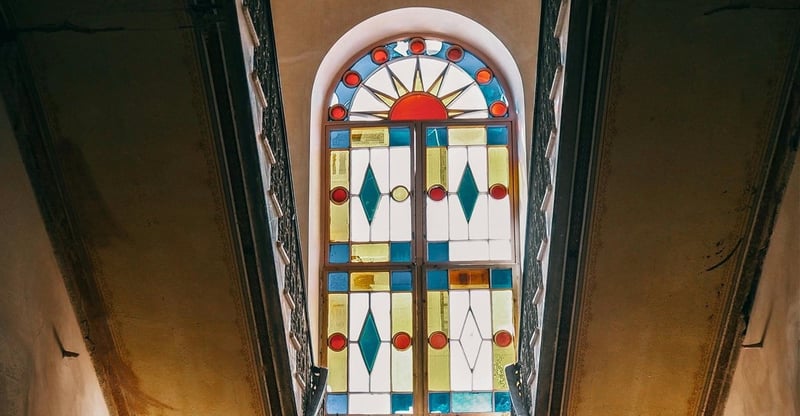
.Across South Africa, homes that blend historical craftsmanship with contemporary comfort are increasingly prized, reflecting a renewed appreciation for authenticity, integrity, and a deeper sense of place in modern living.
The team at Fine & Country Sub-Saharan Africa (SSA), notes that buyers are drawn not only to design and finishes, but to a deeper sense of place.
1. Heritage as identity and authenticity
Each region, each neighbourhood, each property carries stories, of geography, past visions, cultural exchanges, craftsmanship. Architectural heritage preserves these stories: the proportions, materials, ornamentation, and craftsmanship that reflect a time, place, and community.
For example, South Africa’s Cape Dutch architecture, with its thick whitewashed walls, sweeping gables and wooden shutters, carries echoes of colonial, European, Indonesian influences. These are not simply pretty façades: they represent adaptation to climate, resource availability, craftsmanship, and social history.
When heritage elements are incorporated into modern homes, whether through roof pitches, verandas, artisanal detail, or even layout, they remind residents and visitors alike that a home has roots. This authenticity is increasingly prized: buyers don’t want space alone, but character.
At a time when many developments risk looking interchangeable, heritage features help a home to stand out.
2. Sustainability and adaptive reuse
Heritage is about what we do with what exists, rather than tearing down and building anew. Adaptive reuse is gaining ground in South Africa and globally: restoring or converting historic structures to modern use. Retaining existing building fabric saves embodied energy, materials, labour, and infrastructure, and avoids waste.
Moreover, many heritage design features are inherently climate-responsive: thick walls provide insulation, deep verandas offer shade, high ceilings aid airflow. Bringing those features into modern builds enhances comfort and can reduce energy costs. The team at Fine & Country SSA often sees value in preserving original fireplaces, flooring and joinery, even when updating insulation, lighting or thermal performance.
3. Aesthetic layers and cultural richness
Modern home design often emphasises simplicity. But simplicity without reference can lead to sterility. Heritage architecture brings texture: ornamental ironwork, artisanal woodwork, tile patterns, mouldings and stonework. These become focal points, anchors for decor, layering that enriches interiors and exteriors.
There is also the psychological factor: homes with history feel rooted, comforting. They carry visual interest that reveals itself over time, something modern, perfect-looking, but generic may not.
“At Fine & Country SSA, clients often tell us that heritage details are what ‘make’ a home: those moments of surprise, a vintage door handle, stained glass, an original fireplace, give a sense of place.”
4. Market appeal and value retention
From a property-investment perspective, heritage can be a differentiator. Homes that retain period features and architectural integrity often command premium prices because they deliver something intangible, character, prestige, desirability. Buyers willing to pay for heritage are often also willing to preserve it.
However, restoring heritage comes with costs: specialist materials, artisan skills, compliance with heritage conservation rules. In Gauteng especially, renovation of heritage homes often exceeds budgeted costs by 30-50%, due to these specialised requirements. But the return, both financial and emotional, often justifies the investment when managed well.
5. Balancing old and new: Design strategies
Heritage doesn’t mean freezing a building in time. The magic often lies in the dialogue between old and new.
Some strategies Fine & Country advise using are:
Respect key heritage elements (façade, windows, structural features) while inserting new extensions or contemporary interiors in a way that is distinct but harmonious.Use modern technology sensitively such as insulation, improving glazing and when integrating heating/cooling systems, without erasing character.Use traditional materials where possible, or at least match textures, scale, and proportions so that additions are seamless.Be flexible when considering the layout of a space: Allow for open-plan or modern function, but respect heritage spatial logic (for example, retaining original hallways, high ceilings, and window proportions) so that the heritage tells its story.Stick to regulatory compliance: This governs heritage protections, conservation guidelines and approvals. Plan properly and work with conservation architects who will ensure both the integrity and functionality of your building.
6. Regional considerations
In South Africa, heritage blends many threads — from indigenous vernacular architecture and colonial legacies to mid-century modernism, tropical houses, and traditional farmsteads. Drawing on these influences, homes can be designed to suit climate extremes, use local materials, and respect both views and landscape.
Moreover, with growing environmental pressures, heritage designs that historically responded to local climates — through verandas, courtyards, and cross-ventilation — are once again highly relevant. Heritage conservation can also serve as a form of cultural tourism, adding economic value not only to individual homes but to entire neighbourhoods.
Architectural heritage is far from antiquated; it’s an indispensable partner to modern design. It provides identity, sustainability, richness, and value. The art lies in balancing preservation with innovation — respecting what has been, while ensuring it continues to serve contemporary lifestyles.
Homes that honour architectural heritage, while embracing modern amenities and comfort, will not only endure but will inspire.
Get new press articles by email
We submit and automate press releases distribution for a range of clients. Our platform brings in automation to 5 social media platforms with engaging hashtags. Our new platform The Pulse, allows premium PR Agencies to have access to our newsletter subscribers.
Latest from
- 7 Business Trends Your SME Can Leverage In 2026
- Sadilar Amplifies Visibility And Impact During Conference Season
- Future-ready Logistics- 5 Shifts TO Watch In 2026 (SUB-saharan Africa)
- Dunlop Urges Motorists To Prioritise Tyre Safety On The Busy Joburg To Cape Town Festive Route
- Poverty Trends Report Shows National Progress But Flags Growing Challenges In Gauteng
- SDG Challenge SA 2025 Highlights The Power Of Youth Innovation In Shaping A Sustainable Future
- Experienced Industry Leader Pauli Van Dyk Named Dean Of AFDA’s Upcoming Hatfield Campus
- South Africans Keep Tourism Alive As Homegrown Travel And Local Spending Rise
- Pretoria Student Wins Global Excel Esports Competition
- AfDB Steps Up Support For Somalia With $76m Investment In Roads And Regional Integration
- Corporate Law Experts Warn Directors Of Serious Consequences For Improper Transaction Approval
- New 3% Inflation Target Begins To Shift Expectations In South African Economy
- Retail As A Development Catalyst Drives New Africa Developments’ Inclusive Growth Strategy
- Collaborative SEF Model Shows How Civil Society And State Can Rebuild Economic Trust
- Shumani Accelerates Industrial Growth With Bheka Forklifts And New Equipment Plans For 2026
The Pulse Latest Articles
- Education Is The Frontline Of Inequality, Business Must Show Up (December 11, 2025)
- When The Purple Profile Pictures Fade, The Real Work Begins (December 11, 2025)
- Dear Santa, Please Skip The Socks This Year (December 10, 2025)
- Brandtech+ Has 100 Global Creative Roles For South African Talent (December 9, 2025)
- The Woman Behind Bertie: Michelle’s Journey To Cape Town’s Beloved Mobile Café (December 9, 2025)