
Fish Deaths In Lake Victoria Raise Alarm Over Disease And Antibiotic Resistance
Written by: BizCommunity Editor Save to Instapaper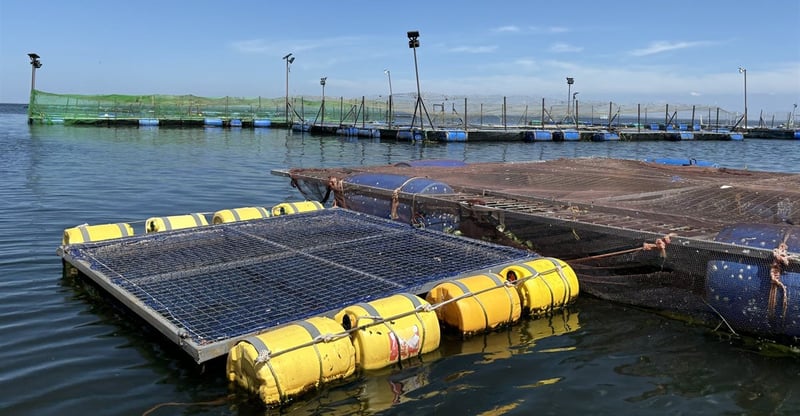
Source: Supplied | Metal-frame, floating cage that is used to farm Nile tilapia in Busia County, Lake Victoria. Photo credit: Eric Teplitz.
Between 2020 and 2023, more than 80 large-scale fish mortality events were reported by cage farmers in western Kenya, resulting in the loss of over 1.8 million tilapia. Despite this, only 39% of events were reported to public institutions, and just 17% of affected farmers attempted treatment — often without veterinary support or diagnostic confirmation.
The study, conducted by Cornell University in collaboration with the Kenya Marine Fisheries Research Institute (KMFRI) and the International Livestock Research Institute (ILRI), underscores the need for stronger disease surveillance, improved reporting mechanisms, and farmer engagement in biosecurity.
Research supports better biosecurity and AMR monitoring
The findings are based on farmer surveys, AMR testing of bacterial pathogens, disease surveillance, and a rapid-response investigation into a mortality event in Busia County.
“We identified a range of bacterial pathogens from a mass tilapia mortality event in Busia County and broader surveillance across the lake," said lead author Eric Teplitz, a veterinarian and PhD candidate at Cornell.
"Often these pathogens are opportunistic and secondary to stressors such as poor water quality; this underscores the importance of a One Health approach to environmental stewardship and disease management across terrestrial and aquatic ecosystems."
The study is the first known research in Lake Victoria to isolate and test bacterial pathogens from a fish mortality event for antimicrobial susceptibility. Several strains showed varying levels of resistance to commonly used antibiotics.
"Antimicrobial resistance is not just a human health concern, it’s also an emerging food systems challenge," said Ekta Patel, CGIAR scientist at ILRI.
"Aquatic ecosystems are often overlooked as potential reservoirs for resistant bacteria and emerging pathogens. By strengthening surveillance, we can detect emerging threats early and generate evidence to guide timely interventions."
Source: Supplied | Teresia Wacira [KMFRI], Venny Mwainge [KMFRI], Caleb Ogwai [KMFRI], and Eric Teplitz [Cornell University] (from left to right) conduct a bacterial culture from a cage farmed Nile tilapia in Kisumu County, Lake Victoria. Photo credit: Meshack Mayianda.
Improved farming practices and local training recommended
Through workshops with farmers in western Kenya, the research team promoted improved cage management strategies. These included:
• Proper disposal of dead fish through composting or burial• Siting cages in deeper waters to improve water quality• Reducing the use of clogged nets that limit circulation• Prompt disease recognition and reporting
The study also calls for greater alignment of aquaculture practices with national AMR strategies and food security goals.
"We are working on the need for better systems for data sharing and coordination between farmers, regulators, and research institutions," said Christopher Aura, Director of Freshwater Systems Research at KMFRI. "This study shows how locally grounded science can inform national biosecurity and best management practices’ enhancement, as well as AMR stewardship strategies."
Call for stronger fish health systems in East Africa
Kathryn Fiorella, principal investigator from Cornell’s Department of Public & Ecosystem Health, said: "Aquaculture has the potential to provide high-quality jobs and nutrition, but its viability depends on biosecurity.
Disease will always be present in aquatic systems, but understanding and responding to it is critical to supporting aquaculture development and the surrounding aquatic ecosystems."
The researchers call for an integrated approach to aquaculture policy in East Africa, highlighting the need for responsible antimicrobial use, farmer engagement, diagnostic capacity, and greater investment in fish health systems.
Get new press articles by email
We submit and automate press releases distribution for a range of clients. Our platform brings in automation to 5 social media platforms with engaging hashtags. Our new platform The Pulse, allows premium PR Agencies to have access to our newsletter subscribers.
Latest from
- 7 Business Trends Your SME Can Leverage In 2026
- Sadilar Amplifies Visibility And Impact During Conference Season
- Future-ready Logistics- 5 Shifts TO Watch In 2026 (SUB-saharan Africa)
- Dunlop Urges Motorists To Prioritise Tyre Safety On The Busy Joburg To Cape Town Festive Route
- Poverty Trends Report Shows National Progress But Flags Growing Challenges In Gauteng
- SDG Challenge SA 2025 Highlights The Power Of Youth Innovation In Shaping A Sustainable Future
- Experienced Industry Leader Pauli Van Dyk Named Dean Of AFDA’s Upcoming Hatfield Campus
- South Africans Keep Tourism Alive As Homegrown Travel And Local Spending Rise
- Pretoria Student Wins Global Excel Esports Competition
- AfDB Steps Up Support For Somalia With $76m Investment In Roads And Regional Integration
- Corporate Law Experts Warn Directors Of Serious Consequences For Improper Transaction Approval
- New 3% Inflation Target Begins To Shift Expectations In South African Economy
- Retail As A Development Catalyst Drives New Africa Developments’ Inclusive Growth Strategy
- Collaborative SEF Model Shows How Civil Society And State Can Rebuild Economic Trust
- Shumani Accelerates Industrial Growth With Bheka Forklifts And New Equipment Plans For 2026
The Pulse Latest Articles
- Education Is The Frontline Of Inequality, Business Must Show Up (December 11, 2025)
- When The Purple Profile Pictures Fade, The Real Work Begins (December 11, 2025)
- Dear Santa, Please Skip The Socks This Year (December 10, 2025)
- Brandtech+ Has 100 Global Creative Roles For South African Talent (December 9, 2025)
- The Woman Behind Bertie: Michelle’s Journey To Cape Town’s Beloved Mobile Café (December 9, 2025)