
Lee‑Anne Singer urges investment in women leaders and skills to grow Cape Town tourism during Women’s Month
Written by: BizCommunity Editor Save to Instapaper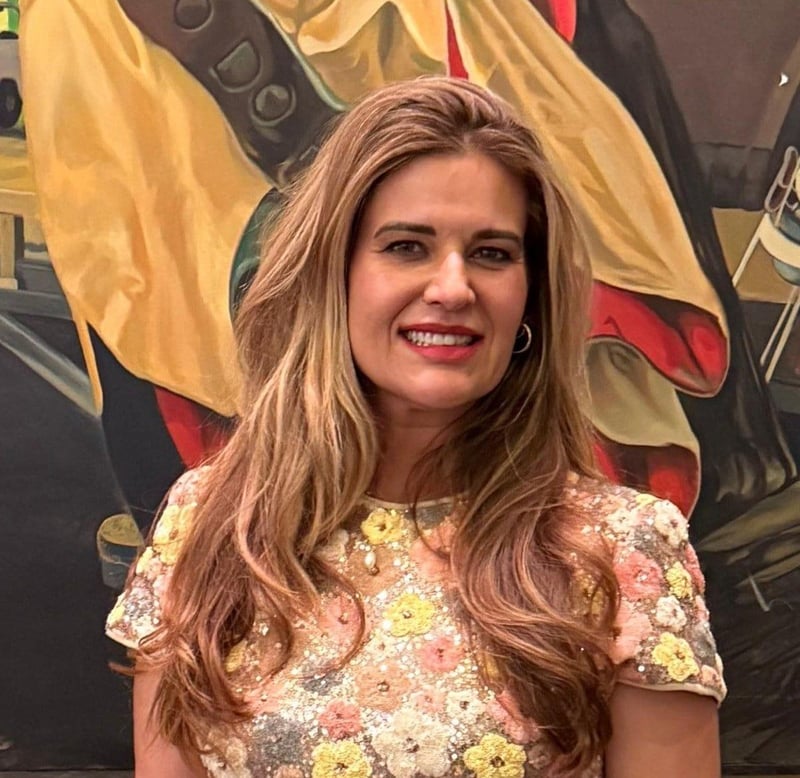
For Lee-Anne Singer, chairperson of Fedhasa Cape, partner, Southern Africa at HVS Middle East Africa, and marketing and sales director at Singer Group, a career spanning nearly three decades has reinforced the importance of people, empowerment and creating opportunities for others to progress.
For Women's Month, Bizcommunity caught up with Singer to discuss her career in tourism, how her leadership style has evolved, the opportunities she sees for the sector and what businesses can do to strengthen the pipeline of women into leadership.
Your career spans investment, hospitality consulting, hotel operations, and industry leadership. Looking back, what first drew you to tourism, and what has kept you passionate about the sector over the years?
It sounds clichéd, but it was the people. I've always loved storytelling and connecting with others – sharing the beauty of our country with those who come to experience it. This industry has been the perfect home for me, and that has never changed.
No two days are the same. Guests travel from across South Africa and across the globe, each arriving with their own story, and we get to play a meaningful role in some of the most special moments of their lives. That privilege is what keeps me passionate.
Tourism has undergone enormous change in recent years. From your perspective, what qualities define effective leadership in today's industry, and how has your own leadership style evolved?
Early in my career, I was far more focused on the process than the outcome. Over time, I've learned that when you clearly communicate the ‘why’ behind what you're doing, your team is far better equipped to make good decisions independently, and that changes everything.
Empowering staff with a degree of decision-making flexibility is essential. When people understand the principles of how a business operates, they can respond to situations in ways that serve both the guest and the business, without needing to escalate every call.
A practical example: what happens when a guest stands at your front desk at 2am, your hotel is sitting at 50% occupancy, and they need a room? Has your team been given the tools and the confidence to negotiate a rate and get that guest safely checked in? That kind of empowerment comes from ensuring your team understands the fundamentals: the difference between revenue and profit, between occupancy and yield, and why those distinctions matter.
When people truly understand how a business works, you get real buy-in. They make better decisions, they take ownership, and with any luck, they carry those fundamentals with them long after they've moved on, perhaps even into businesses of their own one day.
You work across several organisations that influence the future of hospitality. Which opportunities excite you most for South Africa's tourism industry over the next five years?
The route expansions coming our way really excite me. There is nothing quite like showing South Africa to a first-time visitor and watching them experience Cape Town through fresh eyes. More routes mean more of those moments, more visitors, and more jobs.
Closely tied to that is the expansion of Cape Town International Airport. Bigger aircraft, increased capacity, new flight paths – the ripple effect on tourism and employment is significant.
I'm also excited about what AI can do for our industry, particularly around training. The ability to upskill people on the job, without pulling them out of the workplace, and to mobilise tourism training at scale across the industry, could make a noticeable dent in our unemployment crisis. That potential shouldn't be underestimated.
The growth of events finding a home in South Africa is another bright spot, particularly those that activate our shoulder and green seasons, which is exactly where we need the support.
Home Affairs reform is perhaps the most underappreciated opportunity on this list. Easier access for international visitors and greater freedom of movement for South Africans travelling abroad will have a meaningful impact on arrivals and on the broader perception of South Africa as an accessible destination.
And then there’s cruise tourism. Cape Town is extraordinarily well-positioned to capitalise on this. The volumes are significant, and the spend per visitor is high. We've barely scratched the surface of what's possible.
Despite progress, women remain underrepresented in many senior decision-making roles. What practical actions can businesses take to build stronger leadership pipelines for women?
If we look honestly at the representation of Black women in management across South Africa's tourism industry, the gaps are significant, and they need to be named as such. You cannot address a problem that nobody is willing to say out loud.
Businesses need to make the development of women, and particularly young Black women, a deliberate and funded part of their development programmes.
One practical avenue is the kind of access that programmes like Fedhasa’s youth membership create. When a young professional joins as a Fedhasa member, they gain direct access to industry leaders, potential employers, and a network that can accelerate their career. That kind of connection is often what separates those who progress from those who don't, and it's something businesses can actively facilitate and encourage.
Throughout your career, have there been mentors, colleagues or experiences that fundamentally shaped the leader you've become?
I've never had an official mentor, but I've always been intentional about the people I surround myself with – those with positive energy and a commitment to doing good work.
I've also always been honest with myself about where my strengths lie and, equally, where they don't. The people who have had the greatest impact on my leadership aren't senior executives or formal mentors. They're the members of my teams who filled the gaps I couldn't, who showed up consistently, and who made the work possible.
When you reflect on your career, what achievement gives you the greatest sense of fulfilment – not simply because of the result, but because of the impact it created?
Oh, this is very easy. The Fedhasa Hospitality Awards.
It started as a dream over a glass of wine, and we brought it to life. We've now held two successful events, and it remains one of the greatest passion projects of my career.
What makes it meaningful is what it recognises. These are not awards for big titles and corner offices. They are for the maintenance managers, the housekeepers, the people who keep our businesses running day after day, who ensure our guests keep coming back, and who give visitors the very best of what South Africa has to offer.
To watch those often-unrecognised stars of our industry walk onto a stage dressed for the Oscars to receive the acknowledgement they deserve is something I will always be grateful to have been part of.
Many young professionals aspire to leadership but aren't always sure how to get there. What habits or mindset have been most valuable in your own journey?
For me, the answer is volunteerism. It’s one of the most powerful and most underutilised tools available to young professionals.
When you volunteer, it says something important about who you are. It shows you're willing to invest and contribute without expecting anything in return. You're not transactional. You're of service. When I see volunteer work on a CV, it gets an immediate tick from me.
Alongside that, I believe strongly in belonging to associations, networks, and clubs that put you in the same room as the right people. When you're a recognised name and face, everything becomes easier. People already know who you are, and you know them.
But perhaps the most important thing is learning how to sell yourself. The competition is fierce, but the people who stand out are those who can make eye contact, speak confidently, and get others to believe in them. That's not arrogance – it's presence, and it's a skill worth developing deliberately.
Volunteer. Build your network. Join an association. And invest in how you show up. Those habits have done more for my career than almost anything else.
As South Africa marks Women's Month, what gives you confidence about the next generation of women shaping tourism?
What gives me confidence is not just the number of women entering tourism, but where they're choosing to go within it.
I'm seeing more women stepping into roles as researchers, economists, data analysts, revenue managers, and business analysts. The roles that drive commercial decisions and ultimately move the needle for the industry.
When women occupy those spaces, the entire sector benefits. That is what excites me most about the generation coming through.
Get new press articles by email
The Pulse Latest Articles
- Meet The South Africans Making 'going Green' Part Of Everyday Life (August 13, 2026)
- From Silos To Shared Solutions: Rethinking Supply Chain Resilience In Africa (August 13, 2026)
- Cut The Waste Before You Count The Carbon (August 12, 2026)
- 125 Years Of Innovation: The Hansgrohe Journey Through Design, Comfort And Sustainability (August 12, 2026)
- The Grocery Strategy That Almost Halved One Cape Town Woman's Monthly Food Bill (August 12, 2026)