
Research Highlights Climate And Environmental Factors Behind Limpopo Flooding Severity
Written by: BizCommunity Editor Save to Instapaper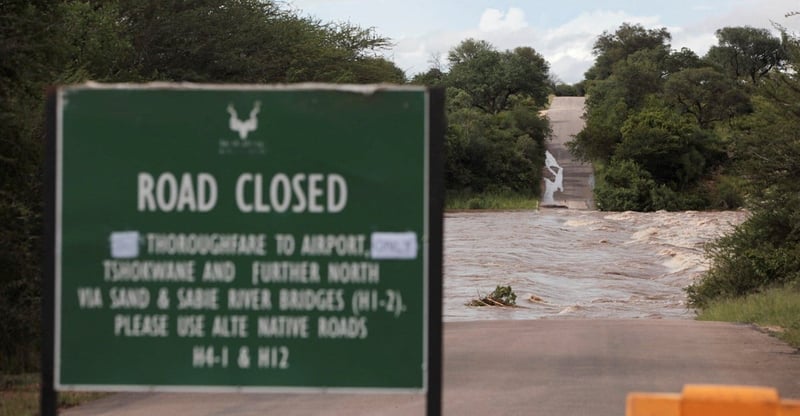
Image credit: Reuters
Why was the Limpopo flooding so severe?
The recent flooding was unusual in its severity and impact. However, it wasn’t unexpected, given the fluctuating rainfall trends in Limpopo. I was part of a team who studied extreme rainfall and flooding patterns in parts of Limpopo in 2024. We found that extreme rainfall (in excess of 40mm per day) is becoming more common. Periods where it rains for more than five consecutive days are becoming more frequent. There’s also more intense rainfall over a short time in Limpopo. All are linked to flooding.
Our research indicated that extreme rainfall interacts with other factors to intensify flooding in Limpopo. In this case, rain had fallen incessantly, saturating the soil and leaving the ground unable to absorb more.
Forecasting itself did not fundamentally fail. The South African Weather Service constantly issued impact-based, high-level warnings, including a rare Red Level 10 warning for heavy rainfall.
Rather, the floods exposed weaknesses beyond forecasting and early warning. These included:
-
A lack of functional community evacuation plans in place. Our earlier study attributed this to limited funding from government to institutionalise and mainstream disaster risk reduction in local development planning.
-
Misinformation on social media platforms. The South African Weather Service had to debunk a hoax message warning of a storm called Baron and explain the expected weather conditions.
-
The failure by some residents to heed early warnings when they received them. Often, people think they are safe from flooding and ignore calls to evacuate or avoid crossing flooded rivers and bridges.
-
Poor infrastructure, such as badly maintained drains and bridges, and houses built in flood-prone areas.
What might have saved lives and property?
Some interventions were implemented – 18 people were rescued from the flooded Olifants River by the South African National Defence Force. Others were saved from the northernmost camp in Kruger National Park by the park’s flying rescue teams, the defence force and private helicopter companies.
I was glad to see stakeholders in the Limpopo Provincial Disaster Management Advisory Forum and local platforms such as the Vhembe District Disaster Management Advisory Forum preparing for the floods, sharing real time updates and directing help to affected people after the rains hit.
Floods damage roads, communications and electricity infrastructure. This means that measures must be in place before floods hit to ensure that all areas can be accessed and that those cut off from communication can be catered for.
Drones could have been used to provide real-time aerial surveillance from the time the rains started. This would have enabled faster, more accurate early warnings and targeted evacuations in vulnerable communities.
Drones could also have guided search-and-rescue teams to marooned people, especially in areas cut off by damaged infrastructure.
Even with earlier, clearer community-level warnings and proactive evacuations, only stronger preparation for floods, coupled with adequate funding, could have reduced fatalities and property damage. Nonetheless, such disasters offer opportunities for learning, better planning and more preparedness.
What short-term solutions are needed?
Our study shows that some simple, low-cost actions can be rolled out quickly and save lives without spending billions of rands:
-
Impact-based early warnings of floods must be sent out via radio, loudspeakers, SMS, WhatsApp, and local volunteers or disaster management committees. These warnings must be linked to simple household evacuation plans for low-lying areas and floodplains. Such actions can prevent the unnecessary loss of lives, such as when people get washed away by intense floods.
-
Government officials, scientists and other key stakeholders must work with local communities to co-create maps of historical flooding in Limpopo. These maps must be based on local knowledge. This way, routes can be planned to guide households towards shelters and safe ways out of floods.
-
Public awareness campaigns and evacuation drills must happen. These help people understand risks and respond quickly.
-
Appointing local flood wardens and forming community-based disaster management committees can improve coordination and support for vulnerable households.
-
Clearing out garbage from drains, culverts and river channels will also protect communities ahead of the rainy season.
-
Household-level actions such as sandbagging, raising valuables, and preparing emergency kits can help preserve property and lives.
-
Protecting and restoring local vegetation allows more water to soak into the ground instead of flooding. When humans and businesses remove natural vegetation, this causes a flooding risk.
What should the government do over the long term?
Disaster management is everyone’s business and needs a whole-of-society approach. Different government departments, weather services, disaster management authorities, emergency services, local municipalities, traditional leaders, civil society, businesses and local communities must be part of a coordinated response.
Authorities must stop construction in floodplains and support safer relocation of the communities currently facing high flood risks. All land-use planning must be hazard-informed so that new land developments are designed to be sustainable and climate-resilient. This can be done by taking into consideration the projected or future rainfall patterns when designing buildings, and not only relying on past rainfall rates.
Early warnings must be part of local government plans to prepare for flooding, and trigger concrete protective actions. It is critical that local communities also heed evacuation calls or take early warning alerts more seriously.
Disaster systems need to be funded by specific climate adaptation finance that is handed over in good time. Climate change loss and damage funding must kick in to compensate families affected by floods, and to pay for investment in robust flood management systems.
Managing floods means combining engineered flood controls with nature-based solutions. This includes restoring indigenous vegetation in wetlands and degraded areas. This will slow down surface run-off (the amount of rainfall that rushes fast across the surface of the ground) and moderate peak flows.
Groups like the Limpopo Provincial Disaster Management Advisory Forum need to look for ways to pool resources, such as working with commercial farmers organised under Agri Limpopo. This will contribute to effective disaster management, where preparedness and response actions are coordinated.
Without addressing these structural drivers and systemic bottlenecks, the extreme rainfall recently experienced in Limpopo province will continue to translate into recurrent loss and damage to lives, livelihoods and property.
This article is republished from The Conversation under a Creative Commons license. Read the original article.
Get new press articles by email
We submit and automate press releases distribution for a range of clients. Our platform brings in automation to 5 social media platforms with engaging hashtags. Our new platform The Pulse, allows premium PR Agencies to have access to our newsletter subscribers.
Latest from
- Why South Africa’s Governance System Is Becoming Harder To Manage And Sustain Effectively
- Isphepho S@S Initiative Reaches Thousands Of Learners Through Recycling And Sustainability Efforts
- South Africa Confirms Polio Vaccine Event Following Routine Wastewater Surveillance Detection
- Mia Healthcare Secures Growth Investment To Expand Accessible Dental Care Across South Africa
- Businesses Shift Towards Flexible Print Solutions As SMEs Prioritise Efficiency And Cost Control
- South Africa’s Maths Crisis Deepens As Experts Warn Learners Are Falling Out Of The Pipeline
- Cybercriminals Exploit AI Language Models Through Growing Prompt Injection Techniques
- Cape West Coast Wildflower And Foodie Tour Celebrates Nature, Cuisine And Biodiversity
- Cape Town Positioned To Gain Tourism Growth Despite Global Travel And Economic Uncertainty
- Finance Leaders Urged To Build Business Resilience Amid Ongoing Economic And Global Disruption
- Argentina And Africa Strengthen Energy Partnership Opportunities Ahead Of ARPEL Conference
- Emerging Disease Scientists Highlight Growing Risk Of Undetected Hantavirus Spread In Africa
- Mscsports Earns Global MMA Smarties Recognition For Innovative Telkom Sponsorship Campaign
- NielsenIQ Report Reveals How Eastern Innovation Is Reshaping Global Consumer Commerce
- Cadbury Dairy Milk Campaign Turns Digital Billboards Into Public Messages Of Appreciation DOOHshare Powers Cadbury Dairy Milk Campaign Celebrating Human Connection Across South Africa
The Pulse Latest Articles
- South African Women Are Missing This Essential Nutrient (May 20, 2026)
- Opinion Piece: Rethinking Performance: Why Behaviour Remains The Missing Link In Evaluation (May 20, 2026)
- 125 Years Of Hansgrohe And The Designers Who Made Axor A Luxury Language (May 19, 2026)
- World Whisky Day: Whisky Lovers Challenged To Stop Saving Their Best Bottles (May 15, 2026)
- Hidden Inefficiencies Are Draining South African Businesses (May 15, 2026)