
Security Concerns Threaten Formula One Races As Travel Disruptions Impact Global Sports Calendar
Written by: BizCommunity Editor Save to Instapaper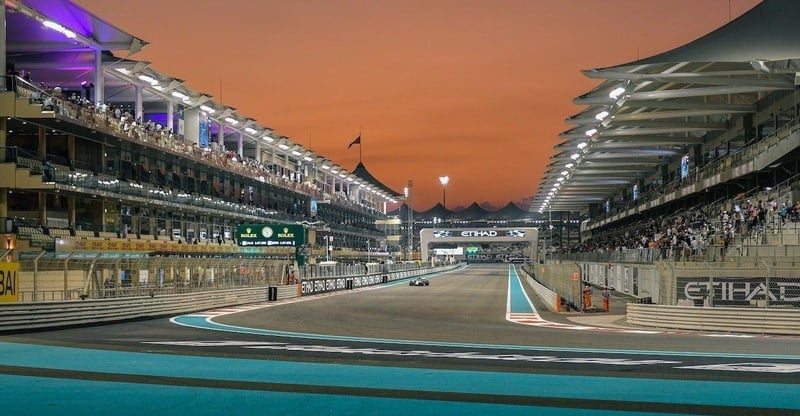
With reports that Formula One race organisers are considering scrapping or relocating several Middle Eastern races this year due to heightened security concerns, the events industry is once again confronting the reality of operating in an unpredictable world (Image source: @ Scuderia Ferrari Club https://sfcriga.com/ Scuderia Ferrari Club]])
In addition, the conflict has led to thousands of international flights being cancelled, both to and from the Middle East region, after several countries closed their airspace.
This has had the knock-on effect of leaving several high-profile tennis stars and cricketers stranded in the region, potentially affecting events they are scheduled to participate in elsewhere in the world.
“The current conflict in the Middle East is a stark reminder that global instability can disrupt even the most established events.
“When world-class organisers like Formula One are forced to rethink their schedules, it highlights just how vulnerable the broader events ecosystem is to sudden change,” says Mamoeti Nosi, product head: events at iTOO Special Risks.
A period of sustained volatility
The global events industry has been navigating sustained volatility in recent years.
More than 40 national elections worldwide, rising geopolitical tensions and shifting diplomatic relationships have created a climate of uncertainty that affects international travel, security planning and large-scale gatherings.
“We are operating in a high-conflict global environment. Political temperatures are elevated, alliances are under scrutiny, and the ripple effects are felt across every sector, including events.
“Organisers plan months or even years ahead, but the world can change dramatically in that time,” says Nosi.
This instability is compounded by climate unpredictability, economic pressure and the lingering aftershocks of the Covid 19 pandemic, which brought the global events industry to a standstill and left many businesses unable to recover.
No longer a ‘nice to have’
According to Nosi, the recent cancellations and postponements across the world have reshaped how organisers view insurance.
Public disputes, such as the legal action taken by ticket holders following the cancellation of the Hey Neighbour 2025 music festival, or the backlash surrounding the Cape Town Marathon, have demonstrated the reputational and financial consequences of inadequate protection.
“Event organisers have seen, very publicly, what happens when things go wrong. The financial losses can be devastating, but the reputational damage can be just as severe.
“Insurance is no longer a ‘nice to have’, it is a strategic necessity,” says Nosi.
Limits of policies
While event insurance can include a range of covers - from liability and assets to contingency, cancellation and non-appearance - Nosi emphasises that organisers must understand the limitations of their policies.
“One of the biggest misconceptions is that a general business or liability policy automatically covers cancellation – it does not.
“Cancellation and contingency cover are separate, and they must be intentionally purchased.
“And even then, certain perils, such as war, are standard exclusions across the global market,” she explains, adding that the fallout from the ongoing conflict in the Middle East would typically be covered under a political violence and terrorism policy.
Without appropriate cover, organisers face significant exposure, such as:
- Sunk costs from venue hire, staging, logistics and marketing.
- Refund obligations to ticket holders.
- Contractual liabilities to subcontractors who may still expect payment.
- Mitigation costs when attempting last-minute changes.
- Long term reputational damage.
“Many organisers assume that suppliers will be understanding if an event cannot proceed. But contracts remain binding unless specific clauses allow otherwise. You cannot rely on goodwill when large sums of money are involved,” says Nosi.
A hardening of the market
The insurance market itself has evolved in response to global pressures.
The pandemic triggered a hardening of the market, with higher premiums, tighter wordings and expanded exclusions.
As claims increased worldwide, insurers became more cautious.
“Underwriting ebbs and flows with global realities. We collaborate with experts locally and internationally to understand emerging risks, assess how long they may persist, and determine what is relevant for South Africa and the broader African market,” says Nosi.
Collaboration between insurers is also essential to maintaining market stability, she adds.
“Sharing risk and sharing knowledge strengthen the entire ecosystem. No single insurer should carry disproportionate exposure in times like these. A unified approach helps ensure sustainability.”
A mindset of resilience
Ultimately, Nosi believes that the eventing industry must adopt a mindset of resilience.
“Event organisers need to ask themselves a simple question: ‘Can I afford for my business not to recover if the worst happens?’ In an unpredictable environment, the cost of insurance must be weighed against the cost of losing everything,” says Nosi.
As global instability continues to shape the events landscape, Nosi urges organisers to prioritise contingency planning, contractual clarity and appropriate insurance solutions.
“It is about being prepared. It is a matter of being safe rather than sorry,” she states.
Get new press articles by email
We submit and automate press releases distribution for a range of clients. Our platform brings in automation to 5 social media platforms with engaging hashtags. Our new platform The Pulse, allows premium PR Agencies to have access to our newsletter subscribers.
Latest from
- Glencore Warns Of Smelter Closures As Tariff Talks With Eskom And Regulator Face Uncertainty
- Webinar To Address Skills Gap And Future Workforce Needs In Africa’s Evolving Mining Sector
- Ramaphosa Shares Eid Ul Fitr Message Of Unity Reflection And Gratitude With Muslim Community
- Eastern Cape Industrial Zones Applauded For Boosting Manufacturing Growth And Youth Opportunities
- SAI Recognised Globally For Pioneering Climate Finance Structure Supporting Emerging Markets
- Cape Town Rental Crisis Deepens As Demand Surges And Short Term Let Debate Intensifies
- Christel House SA Expands No Fee School Access And High School Capacity For 2027 Intake
- Screen Time Concerns Grow As Families Reconsider The Value Of Imaginative Play In Childhood
- Dipula Properties Joins JSE Property Indices Boosting Investor Visibility And Market Position
- Forestry South Africa Highlights Sector’s Expanding Role In Inclusive Economic Growth
- Absa Cape Epic Celebrates 20 Years With Economic Impact And Support For Emerging Designers
- Africa’s Green Horizon Conference To Drive Practical Sustainability And Climate Action Strategies
- VUKA Group Introduces Multilingual Platform To Improve Access Across Africa’s Mining Sector
- Government Announces Permanent Certification For Muslim Marriage Officers Following Policy Review
- Refinery Marks A Decade Of Growth Expanding To Nearly 200 Stores Across Southern Africa
The Pulse Latest Articles
- Why Hr Dashboards Are Now A Compliance Imperative — Not A “nice To Have” (March 20, 2026)
- The Truck Driver Who Turns Overnight Stops Into A Living Archive Of Namibia (March 18, 2026)
- “hisense Celebrates 30 Years In Sa, Highlighting Local Manufacturing At Buy Local Summit & Expo (March 18, 2026)
- Steinmüller Africa Opens Registration For 2026 Boiler Technology Course (March 17, 2026)
- Smart Mobility, Smarter Growth: Reimagining African Supply Chains For A Digital Decade (March 17, 2026)