
Samsung Africa CMO Kgomotso Mannya - Representation Isn’t Enough — Women Need P&L Roles, Sponsors and Clear Pathways to Power
Written by: BizCommunity Editor Save to Instapaper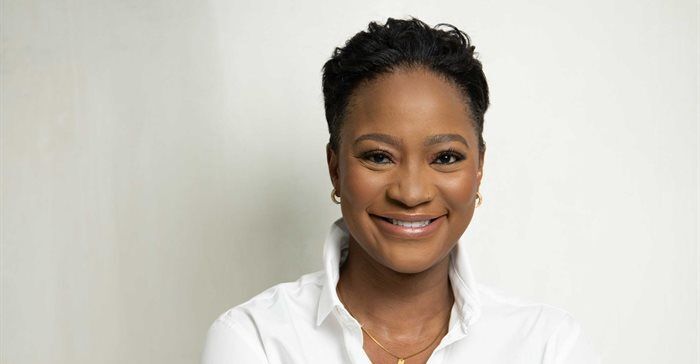
Mannya has led brands across African markets, moving from product marketing and business development at Estée Lauder Companies to becoming brand general manager for Clinique, Smashbox and Glamglow.
She later moved into technology at Samsung, progressing from head of marketing for mobile eXperience to chief marketing officer for Africa in less than three years.
She reflects on the leadership lessons that came with that progression, the challenges women continue to face as they move into senior roles, and why businesses need to look beyond representation numbers and create genuine pathways to power and decision-making.
What have been the biggest milestones in your career so far?
One of my biggest milestones was being trusted to lead brands across Africa at Estée Lauder Companies. I moved through product marketing, regional marketing and business development before becoming brand general manager for Clinique, Smashbox and Glamglow, with full responsibility for the business.
That’s when I stopped seeing marketing as only a communications function and began understanding it as a growth discipline.
Next, I moved from beauty into technology. At Samsung, I progressed from head of marketing for mobile eXperience to chief marketing officer for Africa in under three years. The promotion happened out of cycle, which mattered to me because it was recognition of the work and the impact.
Becoming CMO and joining the executive leadership team after more than 20 years in marketing is the milestone I am proudest of. It was not an overnight arrival. It was the result of many years of learning, delivering and constantly expanding the scope of what I could lead.
What has your journey to becoming a CMO taught you about leadership?
It has taught me that the job changes as you grow. Early in your career, your value is often measured by what you can personally deliver. At CMO level, it is measured by whether you can create clarity, make the necessary trade-offs, connect different teams and enable other people to deliver.
Leadership at this level is also about judgment. It is knowing when to push, when to listen and when to make a decision even when the information is imperfect.
I have also learned that I do not need to perform leadership. I need to lead. For me, that means being clear about the standard, honest about the reality and human in how I work with people. You can hold people accountable without humiliating them. You can be calm without being passive.
How has working across beauty, technology and consumer goods shaped your career?
Beauty taught me about desire. It taught me that a product can be technically excellent and still fail if the brand does not understand culture, identity and how people want to feel.
Consumer goods taught me scale and commercial discipline. Brand love matters, but so do price, availability, distribution and repeat purchase.
Technology taught me speed and constant reinvention. It also taught me that innovation only becomes meaningful when you can translate it into a real human benefit. A list of specifications is not yet a consumer proposition.
Working across African markets has been equally important. Africa is not one consumer or one market. Context changes, and good marketers must be close enough to understand those differences.
These experiences have made me care as deeply about commercial outcomes as I do about the brand itself.
What challenges have you faced as a woman progressing into senior leadership?
There have been times when my competence was examined more closely, or when I had to consider how a direct decision would be received because I was a woman making it.
Women often carry the additional responsibility of being decisive while also making everyone comfortable with their decisiveness.
I have also had to unlearn the instinct to wait until I had mastered everything before putting myself forward. The higher I progressed, the more I realised that nobody arrives knowing the entire job. You develop into it by doing the work.
I do not want difficulty to become the central story of my career. I have worked hard, delivered results and benefited from people who recognised my potential. But I am also honest enough to know that the path is not equally open to everyone.
Do you think women have enough opportunities to reach the top of business?
We have made progress, but no, I do not think we have enough opportunity yet.
I am less interested in how many women are visible and more interested in where they sit. Do they own a P&L? Do they control significant budgets? Are they leading core commercial functions? Are they included in the CEO succession plan?
We sometimes celebrate representation before we have changed where power sits. Women may be well represented at junior and middle-management levels, but the numbers often decline as the roles become more commercially consequential.
Until women are routinely trusted to lead the whole business, and not only the functions traditionally associated with women, we cannot say that there are enough opportunities.
What can companies do to create more pathways for women into leadership?
Companies need to start much earlier. If the first time an organisation thinks about female leadership is when an executive vacancy opens, the pipeline will always appear thin.
Women need meaningful assignments, exposure to revenue and P&L responsibility, movement across functions and markets, and senior leaders who will actively sponsor their progression.
Companies must also examine the system honestly. Who receives the high-profile assignments? Whose potential is assumed? Whose mistakes are forgiven? How is pay decided? Does using a flexible-work policy come with an unspoken career penalty?
Set clear goals, measure promotion and retention, and hold leaders accountable. Pathways are not created through Women’s Month events. They are created through everyday decisions about work, access and opportunity.
How important is mentorship in developing the next generation of female leaders?
Mentorship has been important in my career, but the people who made the greatest difference did more than advise me. They gave me context, corrected me when I needed it, trusted me with bigger responsibilities and spoke for me in rooms where I was not present.
That distinction matters. Women are often given plenty of advice but not enough access.
The next generation needs mentors who will be honest with them and sponsors who are prepared to put a real opportunity behind their belief in them.
I also do not think mentorship should be about creating younger versions of ourselves. Our role is to help women understand themselves, develop sound judgment and find their own authentic way of leading.
What advice would you give young women who want to build careers in marketing?
Build depth before you chase titles. Learn the consumer, but also learn how the business makes money. Understand sales, revenue, margin, pricing, distribution, data and technology.
If you manage a marketing budget, interrogate every rand. Know who you are trying to reach, why they are the audience most primed to buy and what the investment is expected to change for the business.
Stay close to the work. Learn how to write a good brief, interpret research, interrogate a media plan, challenge an agency and defend a strategic decision. At the same time, keep expanding your perspective beyond execution.
Do not wait until you feel completely ready. Build evidence, ask for greater scope and allow the work to speak for you.
Most importantly, remain human. Ambition does not require you to become someone you no longer recognise.
Get new press articles by email
The Pulse Latest Articles
- Father And Son Take Water Storage Global (August 28, 2026)
- Antonio Citterio: The Art Of Timeless Design (August 26, 2026)
- From Water To Digital Twins: Steinmüller Africa Puts Plant Reliability On Display At Electra Mining (August 26, 2026)
- Women Shaping Ai Global Creative Work From South Africa (August 25, 2026)
- Women’s Month Ends In August. Accountability Shouldn’t. (August 25, 2026)