
How South African Farmers Can Protect Their Land And Livelihoods By Reducing The Impact Of Flood Damage
By Kobus Stapelberg, head of the agri division at King Price Insurance
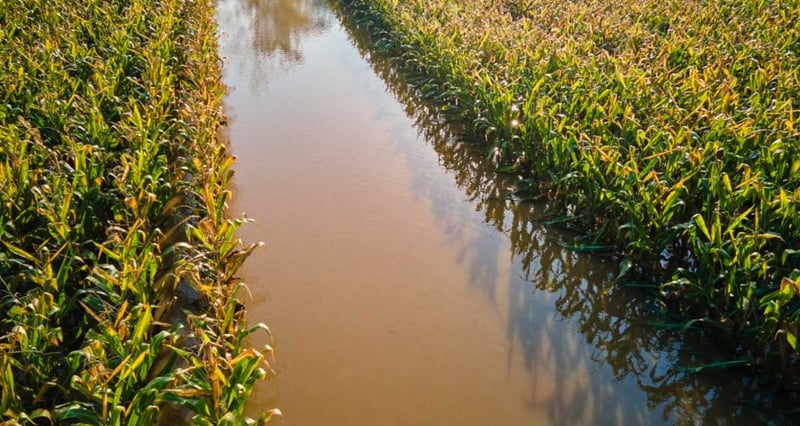
In recent years, South African farmers, especially those in the northern regions, have faced increasingly erratic weather patterns, with some areas experiencing devastating floods that have washed away soil, seed, crops, and critical buildings and equipment. The 2024 growing season was severely affected, with some farmers having been forced to replant following storms, and others facing the prospect of not being able to harvest at all.
The long and the short of it is that flood-related loss and damage to crops cannot be insured, due to an unwillingness on the part of global reinsurers to take on this risk – although flood damage to infrastructure can be covered, and ‘catastrophic’ cover exists for livestock. This places the responsibility squarely on the farmers themselves to take proactive measures to reduce and manage flood damage and protect their crops.
Here are some practical steps to minimise the impact:
Field design and furrows
One of the most effective ways to reduce flood damage is to improve drainage. In traditionally drier regions, some farms have placed less importance on furrows and contours, and have instead prioritised maximum planting space. However, reintroducing smaller planting sections separated by furrows can help to control heavy water flow.
Just as farmers work with each other and fire protection associations to prevent the spread of wildfires, flood management should also be a community effort. Poor drainage planning on one farm can direct floodwaters onto neighbouring properties, making collective and collaborative action essential.
Infrastructure and harvested crops
Beyond crops, floods can damage critical farm infrastructure, including homes, sheds, equipment, and amenities like schools for farmworkers’ children. If you are planning to build new structures, raising them above ground level can prevent floodwaters from entering – and prevention is always better than a claim.
For existing buildings, ditches help to direct floodwater out of harm’s way. In addition, ensuring that natural runoffs always remain unobstructed reduces the risk of water pooling in critical areas.
If heavy rains are forecast, it makes sense to relocate moveable assets in advance, getting vehicles, irrigation pivots, and other essential equipment and vehicles to higher ground where possible.
Staying informed
Community WhatsApp groups are invaluable sources of information relating to localised weather reports, as well as safety. There is also an increasing number of tech-driven providers that specialise in flood predictions and river-flow monitoring. Partnerships with such services can help to anticipate and plan for severe weather events more accurately.
Insurance solutions
While flood damage is not covered under crop insurance, storm-related damage to buildings and infrastructure can be insured under the relevant sections of commercial and personal lines insurance. Additionally, crops stored in sheds and silos have limited cover, typically with a 25% self-insurance clause, meaning that 75% of the loss is covered provided that these structures are properly protected. Brokers and financial advisers are reliable sources of information on the best solutions for unique needs.
All farmers are familiar with the requirements for managing fires. And, while no such regulations exist for floods, the principles are the same: Preparation and risk management can mean the difference between significant losses and a more secure harvest.
Despite the challenges posed by excessive, out of season, and geographically unusual rainfall and floods, South African farmers have cause to be optimistic – provided they recognise that flood risk management is their responsibility, and that proactive planning is essential for long-term success.
Lastly, active fire association membership is essential for fire-related insurance cover and Western Cape farmers, in particular, are urged to ensure that their fire protection association fees are up to date as we head into the dry summer season.