
South Africa Launches Transformation Fund To Drive Economic Inclusivity
Written by: BizCommunity Editor Save to Instapaper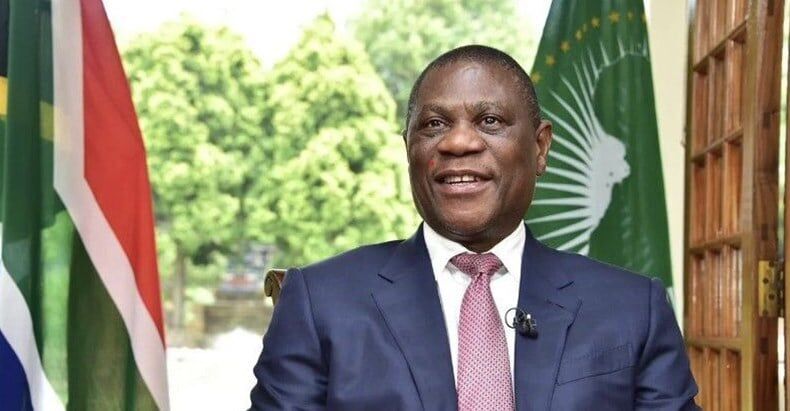
The deputy president was delivering a keynote address at a Business Breakfast Session and launch of the Transformation Fund at the Freedom Park Heritage Site and Museum in Pretoria on Monday, 5 May 2025.
“[This] is an historic day for South Africa as it marks a key milestone in our journey towards economic transformation. We fully welcome the launch of the Transformation Fund, as it will serve as a strategic vehicle for businesses to embrace change, foster innovation, and drive growth.
“This fund will serve as a catalyst for financial support, guiding organisations through crucial transitions and enabling them to seize new opportunities that arise in the market,” the deputy president said.
The Transformation Fund, which brings together both public and private-sector contributions, aims to unlock the potential of Enterprise and Supplier Development (ESD) and the Equity Equivalent Investment Programme, with a strong emphasis on economic inclusion and participation by historically disadvantaged communities.
“As enterprises seek improved access to capital and the need to remain competitive in this dynamic environment, I believe that the Transformation Fund will be invaluable. The proposed Transformation Fund will unleash Enterprise and Supplier Development’s (ESD’s) potency in driving economic inclusion and participation,” Mashatile said.
He emphasised the centrality of the initiative within government’s economic agenda.
“We are going to make sure that the Transformation Fund is at the centre of government, specifically the presidency,” he said, adding that they will work with the Minister of Trade, Industry and Competition, Parks Tau as well as key Economic Cluster ministers to ensure that targets are met, especially in the procurement of goods and services.
He noted that the National Treasury and Department of Women, Youth, and People with Disabilities have already collaborated to develop a framework. The focus now is to ensure speedy execution and equally implement the Preferential Procurement Policy Framework Act.
The deputy president moved to recognise the involvement of the private sector in co-funding the initiative.
“It is commendable that the fund is anchored by private- and public-sector contributions to the Enterprise Supplier Development and Equity Equivalent Investment Programme obligations,” he said.
Backing township business resilience
The centralised administration of the fund in partnership with business will help increase access to funding, especially for Black-owned businesses operating in rural and township settings.
“Funding will be allocated to various productive sectors of the economy, which includes, among others, services industry, tourism, and agriculture, thereby supporting majority black-owned entities. Technical support and market access will be prioritised to ensure sustainability through inclusive interventions,” he said.
The deputy president underlined the long-term benefits of the fund, noting that it would foster resilience and adaptability in the face of economic challenges.
Investing in a transformation fund signifies a commitment to progress and a dedication to long-term sustainability. “It will enable businesses to navigate challenges with resilience, adjust in response to changing dynamics, and establish themselves as adaptive leaders in their respective industries,” he said.
Corruption hinders inclusive growth
The deputy president made it clear that economic transformation cannot be achieved without tackling the scourge of corruption in both the public and private sectors.
Corruption undermines small businesses by increasing costs, reducing profits, and creating instability.
“To promote an inclusive economy, we must commit to addressing corruption by strengthening our institutions, fostering transparency and accountability, and promoting citizen engagement.
“This includes developing and implementing robust anti-corruption frameworks, strengthening our criminal justice system, and encouraging public participation and oversight,” he said.
Access to finance for Black businesses
The deputy president further stressed the need to find solutions pertaining to access to finance for Black businesses.
He emphasised that it was important to recognise that the funding deficits in South Africa are a contributing factor to the failure of small businesses.
Despite government intervention, such as Enterprise and Supplier Development, which is a critical component of the B-BBEE framework, he said there was still a need for additional measures to be taken to expand fund access to SMMEs.
“Loans are the most common financial instrument for micro, small, and medium-sized enterprises in South Africa, but they often have stringent underwriting standards, making them difficult for smaller businesses with limited collateral and financial records to secure.
“This is why we encourage small businesses seeking financial assistance to explore government-funding programmes, and business-support agencies such as the National Empowerment Fund, Small Enterprise Finance Agency and the Small Enterprise Development Agency,” the deputy president said.
Get new press articles by email
We submit and automate press releases distribution for a range of clients. Our platform brings in automation to 5 social media platforms with engaging hashtags. Our new platform The Pulse, allows premium PR Agencies to have access to our newsletter subscribers.
Latest from
- 7 Business Trends Your SME Can Leverage In 2026
- Sadilar Amplifies Visibility And Impact During Conference Season
- Future-ready Logistics- 5 Shifts TO Watch In 2026 (SUB-saharan Africa)
- Dunlop Urges Motorists To Prioritise Tyre Safety On The Busy Joburg To Cape Town Festive Route
- Poverty Trends Report Shows National Progress But Flags Growing Challenges In Gauteng
- SDG Challenge SA 2025 Highlights The Power Of Youth Innovation In Shaping A Sustainable Future
- Experienced Industry Leader Pauli Van Dyk Named Dean Of AFDA’s Upcoming Hatfield Campus
- South Africans Keep Tourism Alive As Homegrown Travel And Local Spending Rise
- Pretoria Student Wins Global Excel Esports Competition
- AfDB Steps Up Support For Somalia With $76m Investment In Roads And Regional Integration
- Corporate Law Experts Warn Directors Of Serious Consequences For Improper Transaction Approval
- New 3% Inflation Target Begins To Shift Expectations In South African Economy
- Retail As A Development Catalyst Drives New Africa Developments’ Inclusive Growth Strategy
- Collaborative SEF Model Shows How Civil Society And State Can Rebuild Economic Trust
- Shumani Accelerates Industrial Growth With Bheka Forklifts And New Equipment Plans For 2026
The Pulse Latest Articles
- Education Is The Frontline Of Inequality, Business Must Show Up (December 11, 2025)
- When The Purple Profile Pictures Fade, The Real Work Begins (December 11, 2025)
- Dear Santa, Please Skip The Socks This Year (December 10, 2025)
- Brandtech+ Has 100 Global Creative Roles For South African Talent (December 9, 2025)
- The Woman Behind Bertie: Michelle’s Journey To Cape Town’s Beloved Mobile Café (December 9, 2025)