
Musa Kalenga Highlights Three Critical Shifts Shaping Africa’s Leadership Future
Written by: BizCommunity Editor Save to Instapaper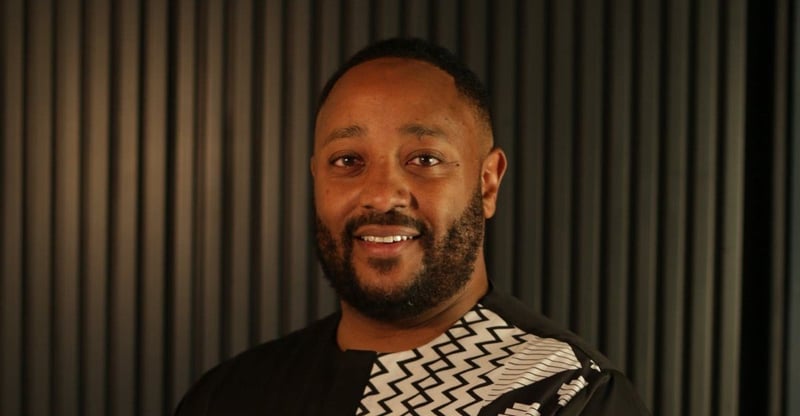
Musa Kalenga, group CEO of Brave Group
For Africa, this moment is poignant. I have often argued that the continent faces a 140-year development gap. This is a legacy we must now close, not in a century, but in a decade. As we look toward the leadership landscape of 2026, we finally have the tools to do so. But technology, as I wrote in The Brave Code, is merely a hammer. It remains a dumb tool until it is wielded with human creativity.
The trends shaping 2026 are not just about algorithms; they are about a fundamental rewiring of how we lead people. Drawing on research from global consultancies and lessons we have learned building the Brave Group, here are three shifts every marketer and business leader must navigate.
1. The gorilla in the room: The ‘invisible' AI partner
In psychology, the 'invisible gorilla' experiment famously demonstrated how intense focus on one task can blind us to apparent changes in our environment. For years, leaders have focused on the 'basketball game' of digital transformation, moving bits and bytes.
In 2026, the gorilla entered the room, but it looked different from what we expected. Deloitte’s 2026 forecast describes a shift to 'active AI,' where artificial intelligence is no longer just a tool but a full-fledged team member and process orchestrator. We are moving from a world of 'attention' to one of 'intention', where autonomous AI agents act on behalf of consumers.
The danger for leaders is selective attention. We risk becoming so obsessed with the efficiency of these tools that we miss the gorilla: the desperate craving for human connection. As McKinsey notes, in an age of seamless automation, the most valuable brand asset in 2026 is not perfection, but 'true personalisation', psychological visibility, and human connection.
The Brave lesson: We must practice ‘dexterous leadership’. This is the art of navigating the Vuca (volatility, uncertainty, complexity, ambiguity) world by balancing the efficiency of our new AI partners with the messiness of human creativity. We cannot simply automate; we must orchestrate.
This orchestration demands the adoption of artificial general marketing intelligence (AGMI). A bold and transformative approach, AGMI calls for the full and fearless integration of AI technology into the heart of marketing.
Crucially, this is not a strategy of replacement, but one of amplification. It envisions a symbiotic relationship where the nuance of human creativity and the scale of AI technology are combined to create more powerful, efficient, and personalised marketing than ever before.
2. The goldfish memory: Unlearning to win
If the gorilla represents what we fail to see, the goldfish represents what we must learn to forget. A popular myth suggests that goldfish have a three-second memory. While scientifically inaccurate, the metaphor is helpful for the modern leader.
In the advertising industry, we often cling to the 'long memory' of past glories—the awards won in 1998 or the legacy campaigns that defined a career. But the metrics of success are shifting beneath our feet.
By 2026, Deloitte suggests we will move from measuring 'productivity' (tasks completed) to 'synergistic performance', the total value created by human-AI collaboration.
This requires a 'goldfish memory' for legacy metrics. We need leaders who can let go of the 'command-and-control' hierarchies of the past and embrace decentralised, fluid structures.
We are seeing boundaries blur, with creative agencies moving upstream into business strategy and consultancies moving downstream into design. To survive, we must forget 'how we’ve always done it' and adopt a mindset of continuous unlearning.
The Brave lesson: Hire for the future, not the past. We need talent that is hungry to learn, not just eager to recite their CV. As I noted in my book, I look for 'goldfish'—people who don’t let past victories or failures hamper their ability to pivot for the future.
3. The gardener mindset: Cultivating shared value
Perhaps the most critical trend for 2026 is the shift in the leader’s role itself. PwC’s research identifies empathy as the new 'leadership superpower' for 2026, essential for building trust in hybrid, tech-saturated environments.
This aligns perfectly with a principle I hold dear: the leader as a gardener. In a 'shared value creative enterprise,' the leader’s job is not to be the most intelligent person in the room, but to create the fertile soil where others, and the ecosystem, can flourish.
This goes beyond corporate social responsibility (CSR). It is about 'shared value', an African concept that holds that a rising tide lifts all boats. In 2026, brands will be judged not just on their creative output, but on their 'impact business models', and how they treat workers, communities, and the environment.
The Brave lesson: We must move from extracting value to generating it. Whether through structures like the B Corp movement or simply by asking, 'How does this ecosystem flourish?,' our leadership must be rooted in stewardship.
Be brave
The sophistication of our machines will not define the Renaissance of 2026, but the bravery of our humanity will. It will belong to the leaders who can spot the gorilla of human need amidst the digital noise, who can adopt the goldfish’s adaptability, and who tend their organisations like gardeners.
We have the tools. We have the creative intelligence. The only question remaining is: do we have the bravery to use them?
Let’s be brave.
Get new press articles by email
We submit and automate press releases distribution for a range of clients. Our platform brings in automation to 5 social media platforms with engaging hashtags. Our new platform The Pulse, allows premium PR Agencies to have access to our newsletter subscribers.
Latest from
- Newtown Hotel Auction Presents Prime Redevelopment Opportunity In Johannesburg CBD
- South Africa Moves To Define Podcast Regulation As Stakeholders Convene For Key Dialogue
- Appeal Ruling Brings Clarity For Employers On Mutual Separation Agreements And Dismissals
- Digital Capability Emerges As Key To Strengthening Africa Logistics And Supply Chains
- Marshalltown High Rise Project Set To Boost Investment And Activity In Johannesburg CBD
- Famar Energies Strengthens Industry Presence With Gold Sponsorship At Angola Oil And Gas Event
- Castle Lite Embraces Humour To Show Why Cold Draught Beer Should Never Be Left Behind
- South Africa Housing Journey Reflects Constitutional Promise Of Dignity Equality And Opportunity
- Arabian Travel Market 2026 Rescheduled To August To Prioritise Safety And Global Participation
- Mr Price Targets Central And Eastern Europe Expansion With NKD Deal And Focused Growth Strategy
- Chevron Expands Community Investment And Skills Development To Strengthen Local Impact Across Africa
- WPCA Prepares For High Value 2026 27 Season With Strategic Focus On Commercial Growth
- Africa Sabre Awards 2026 Celebrates Top Campaigns In Branding Reputation And Engagement
- Shifting Value Redefines Luxury Car Market As New Entrants Challenge Established Brands
- Constitutional Court Slams Government Response To Qumbu Disaster And Clarifies Municipal Duties
The Pulse Latest Articles
- The Truck Driver Who Turns Overnight Stops Into A Living Archive Of Namibia (March 18, 2026)
- “hisense Celebrates 30 Years In Sa, Highlighting Local Manufacturing At Buy Local Summit & Expo (March 18, 2026)
- Steinmüller Africa Opens Registration For 2026 Boiler Technology Course (March 17, 2026)
- Smart Mobility, Smarter Growth: Reimagining African Supply Chains For A Digital Decade (March 17, 2026)
- Press Release: Introducing Glow Mists By Gloot (March 16, 2026)