
Capital Legacy Explains How Disabilities Do Not Prevent South Africans From Drafting Wills
Written by: BizCommunity Editor Save to Instapaper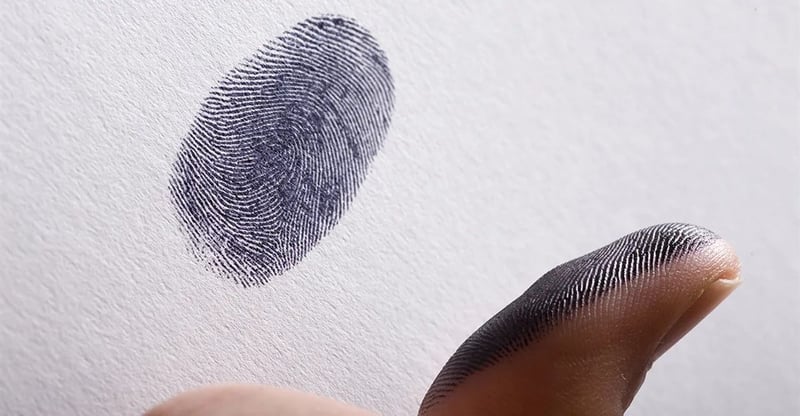
Capital Legacy, South Africa’s leading provider of wills and estate administration, has helped draft more than 1.6 million wills, and they have seen almost every situation you can imagine. Just recently someone tried to submit a will signed in Braille. It’s not legal but it highlights the challenges that some people face. The good news is that there are viable solutions for many of them.
Deenisha Nadesan
So, what happens if you cannot sign your will with the conventional pen on paper? Does this mean having no say in what happens to your assets? Thankfully, it does not, says Deenisha Nadesan, managing director of Fiduciary Services at Capital Legacy.
South African law recognises that not every person is able to sign in the conventional manner. So it also allows thumbprints, marks, and signatures by proxy. But there are strict rules about witnessing and certification. This means that everyone – regardless of disability or circumstance – can exercise their right to a valid will and leaving a legacy.
These are some of the scenarios that Capital Legacy encounters, from time to time, as it works to improve the alarming statistic of an estimated 70% of South Africans not having valid wills. In all these cases, the strict rules for witnessing and certification (see below) must be followed to make sure the will is valid.
1. Blindness or Severe Visual Impairment. Around 1.4 million South Africans are blind or visually impaired, according to BlindSA, with a significant 80% of them in rural areas. To make it easier for them to draft and sign their wills, our law allows a thumbprint as substitute for their signature.
2. Illiteracy. About 4 million adult South Africans are considered illiterate, according to labour market research. An illiterate person will struggle to write and sign their name, so like their visually impaired counterparts, they can use a thumbprint or make a mark (like an X) to validate their wills and ensure their final wishes are carried out.
3. Physical Disability. Approximately 3.5 million South Africans live with a disability, according to StatsSA. This includes conditions such as paralysis, severe arthritis, or neurological disorders that make it difficult or impossible to hold a pen. They can authorise a proxy to sign on their behalf, but both persons must be present.
4. Temporary Incapacity. A person who is hospitalised, physically weak or seriously ill, would struggle to sign a document. In such cases, a mark or thumbprint can be used.
5. Cultural Traditions. Older generations in many traditional cultures have not historically been accustomed to having formal, written wills, relying instead on customary law, oral traditions, and family-based inheritance systems. As these communities modernise, and younger generations’ value systems shift, there is greater awareness of the need for a secure financial future and leaving a legacy. However, they may still be unfamiliar with, and unaccustomed to, signing documents. Here too, a mark or thumbprint would be legally acceptable, if done correctly.
Rules for witnessing and certification
1. The person drafting the will (testator / testatrix) must be 16 or older, and of sound mind.
2. The will must be signed or marked on every page, in the presence of two witnesses.
3. Another person may sign on their behalf, but it must be done at their direction and in their presence, along with two witnesses.
4. If the person is unable to sign their own will, they can mark it with a thumbprint or a sign (like an X) in the presence of two witnesses.
5. Witnesses must be 14 or older, and of sound mind (able to testify in court).
6. Witnesses must not benefit from the will, nor be married to someone who will benefit from the will.
7. If a will is signed by mark or thumbprint, a Commissioner of Oaths must confirm the person’s identity, that the document is indeed their will, and was marked in their presence. This certification must be attached to the will.
South African law recognises that not everyone can sign their wills in the conventional manner. By allowing marks, thumbprints, or signatures by proxy – subject to strict witnessing and certification requirements – the law balances accessibility with protection against fraud. This ensures that everyone, regardless of disability or circumstance, can have a valid will and a say in how their estate is distributed.
Get new press articles by email
We submit and automate press releases distribution for a range of clients. Our platform brings in automation to 5 social media platforms with engaging hashtags. Our new platform The Pulse, allows premium PR Agencies to have access to our newsletter subscribers.
Latest from
- Construction Industry Faces Cash Flow Pressure And Payment Delays Amid Signs Of Market Recovery
- Mercedes Benz And GWM Explore Partnership To Produce Vehicles At South Africa East London Plant
- Automation Is Rising But Human Judgment And Decision Making Are Now Critical Skills
- South Africa Moves To Strengthen Environmental Impact Assessment System Through New Reforms
- Gerber And Co Supports Shift Toward Wool Based Materials In Sustainable Interior Design
- New KwaZulu Natal Campus To Serve Over 8000 Students With Advanced Engineering And Tech Facilities
- Adopt A School Foundation Launches Arts Programme To Empower Primary School Learners Through Creativity
- No New NHI Tax Signals Shift Toward Strengthening South Africa Public Healthcare System
- AI Search Is Changing Brand Discovery As Chatbots Reshape How Consumers Find Products
- Burnout Signals Deeper Organisational Issues As Quick Fix Wellness Perks Fail To Deliver
- Car Rental Industry Adapts As Travellers Seek Debit Card And Cash Payment Options
- Food Waste Action Week Calls For Collective Action To Reduce South Africa Food Waste Crisis
- Joe Public Named Agency Of The Year At Creative Circle Awards After Multiple Campaign Wins
- AI Powered Insights Give SMEs A New Edge In Product Development And Market Strategy
- South African Court Considers Validity Of Electronically Signed Will In Key Legal Dispute
The Pulse Latest Articles
- Byd Powered Car Of The Year Finalist Evaluation With Mobile Phev And Ev Charging (March 6, 2026)
- Strategy Is Easy. Execution Is Everything (March 5, 2026)
- The Paradox Of Leadership: Ntombizone Feni’s First Year As Ceo (March 4, 2026)
- Beyond The Pit: Why Mining Partnerships Are Being Redefined (March 2, 2026)
- A Refreshing Reset For Your Tastebuds (March 2, 2026)