
App Your Game’s Yusuf Abrahams Champions Neuroinclusive Design For 2026 And Beyond
Written by: BizCommunity Editor Save to Instapaper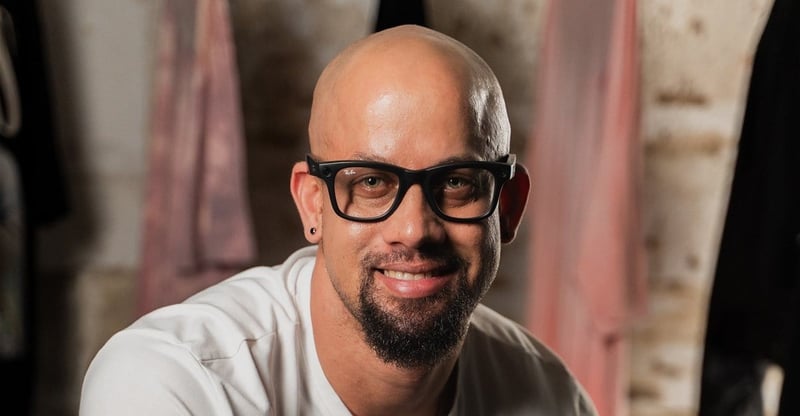
App Your Game’s Yusuf Abrahams says neuroinclusive design is the real competitive edge for 2026 (and after) (Image supplied)
Digital product design is at a crossroads. While South African tech teams trip over themselves to launch the next half-baked AI feature, a quieter shift is happening. It delivers more value to real people and can create actual results. It’s called neuroinclusive design.
This is not some dusty accessibility checklist you tick off to avoid a lawsuit. It is not "design for everyone" as a fuzzy, feel-good slogan.
It is the practical discipline of designing digital products that actually work when your attention is all over the place, your memory is fried, your language is literal, or your anxiety is through the roof. In our local context, it is baseline UX for real-world cognitive and environmental conditions.
Personal reality
For years, I thought I was the problem. Everyone else breezed through “simple” interfaces. I got lost in a maze of options, walls of text, and steps that assumed I’d remember what happened three screens back. I’d push through anyway, just to see what was hiding behind that Apply Now button.
Then I got diagnosed with ADHD at 38. The diagnosis didn't just explain my own experience; it exposed a bigger design flaw.
We keep designing for a person that doesn't exist. The always-focused, always-calm, always-linear "ideal" persona. Most people are not that archetype.
In South Africa, almost nobody is.
One-in-five is not an edge case
Estimates put neurodivergent people at roughly one in five, depending on access to diagnosis. In South Africa, where healthcare access is uneven, that number is likely higher than we realise. This is not an "edge case." This is OUR market.
Even if someone is neurotypical, they experience neurodivergent conditions every single day. Think about the average South African user experience.
You are trying to top up your electricity on an app while standing in a noisy, cramped taxi. You are rushing to complete a bank transfer and you have 2% battery, a shaky 3G signal, and a crying child. High-stakes decisions with real consequences.
Yet, many local interfaces are still optimised for someone sitting in a quiet office with a strong fibre connection and a double-shot latte. That is a fairy tale.
High cost of "busy" design
Bad design is everywhere. Government portals demand 15 fields when three would do. Retail apps with a dozen banners screaming for attention. Onboarding flows that treat a dropped signal like it’s your fault.
These choices drive abandonment. They lead to flooded call centres and brand distrust. If a person feels "stupid" or overwhelmed while trying to buy data or pay a bill, they will simply stop using the service.
Designing for the real South Africa
Neuroinclusive design isn’t about adding features. It’s about removing friction and being brutally honest about how brains work under pressure. Clarity beats aesthetics. Every time.
| Problematic Design | The Neuroinclusive Fix | Why it Matters in SA |
| Vague Icons: A gear icon with no text. | Clear Labels: The word "Settings" next to the icon. | Reduces guessing for non-tech-savvy users. |
| Long Paragraphs: Blocks of corporate jargon. | Bullet Points: Short, punchy sentences. | Easier to scan during a commute or under stress. |
| Timed Sessions: Logging users out after 2 minutes. | Extended Time: Allowing users to save progress. | Essential when data signals are unstable. |
| Abstract Language:"Ignite your potential." | Literal Language: "Click here to start the course." | Avoids confusion for those who process language literally. |
Business case for clarity
Some might argue that this is "dumbing down" the platform. Clear design is "levelling up" the experience.
The person with Dyslexia benefits from high-contrast text and clear fonts. So does the person trying to read a screen in the bright midday sun at a Rea Vaya bus stop.
The person with ADHD benefits from a clear "Next Step" button. So does the stressed entrepreneur trying to manage their taxes between meetings.
Design for the most overloaded, distracted user, and everyone wins. Acquisition costs drop because your platform finally makes sense. Loyalty goes up because nobody needs a PhD to find the logout button.
Moving beyond the checklist
Neuroinclusive design means rethinking “accessibility”. It’s not just screen readers or captions. Those matter, but they’re just one piece. We need to design for the brain’s processing power.
Stop assuming users are at their best. Assume they’re tired. Distracted. Stressed about money or safety. If your platform works for someone at their worst, it’ll work for everyone else.
Call for radical clarity
As we head into 2026, the future of South African platforms isn’t in more algorithms or flashier animations. It’s in radical clarity – digital spaces where people feel capable, not confused.
Respect the limits of real brains. Start with your highest-traffic flow. Count the fields, decisions and assumptions. Then cut half of them.
Stop punishing people for not thinking in straight lines. Reduce cognitive load. Build platforms that respect human dignity. Stop chasing “ideal” personas and start respecting real people.
When you design for the one-in-five, you design for everyone.
Get new press articles by email
We submit and automate press releases distribution for a range of clients. Our platform brings in automation to 5 social media platforms with engaging hashtags. Our new platform The Pulse, allows premium PR Agencies to have access to our newsletter subscribers.
Latest from
- Newtown Hotel Auction Presents Prime Redevelopment Opportunity In Johannesburg CBD
- South Africa Moves To Define Podcast Regulation As Stakeholders Convene For Key Dialogue
- Appeal Ruling Brings Clarity For Employers On Mutual Separation Agreements And Dismissals
- Digital Capability Emerges As Key To Strengthening Africa Logistics And Supply Chains
- Marshalltown High Rise Project Set To Boost Investment And Activity In Johannesburg CBD
- Famar Energies Strengthens Industry Presence With Gold Sponsorship At Angola Oil And Gas Event
- Castle Lite Embraces Humour To Show Why Cold Draught Beer Should Never Be Left Behind
- South Africa Housing Journey Reflects Constitutional Promise Of Dignity Equality And Opportunity
- Arabian Travel Market 2026 Rescheduled To August To Prioritise Safety And Global Participation
- Mr Price Targets Central And Eastern Europe Expansion With NKD Deal And Focused Growth Strategy
- Chevron Expands Community Investment And Skills Development To Strengthen Local Impact Across Africa
- WPCA Prepares For High Value 2026 27 Season With Strategic Focus On Commercial Growth
- Africa Sabre Awards 2026 Celebrates Top Campaigns In Branding Reputation And Engagement
- Shifting Value Redefines Luxury Car Market As New Entrants Challenge Established Brands
- Constitutional Court Slams Government Response To Qumbu Disaster And Clarifies Municipal Duties
The Pulse Latest Articles
- The Truck Driver Who Turns Overnight Stops Into A Living Archive Of Namibia (March 18, 2026)
- “hisense Celebrates 30 Years In Sa, Highlighting Local Manufacturing At Buy Local Summit & Expo (March 18, 2026)
- Steinmüller Africa Opens Registration For 2026 Boiler Technology Course (March 17, 2026)
- Smart Mobility, Smarter Growth: Reimagining African Supply Chains For A Digital Decade (March 17, 2026)
- Press Release: Introducing Glow Mists By Gloot (March 16, 2026)