
South Africa Digital Divide Driven By Cost And Complexity Not Connectivity Challenges
Written by: BizCommunity Editor Save to Instapaper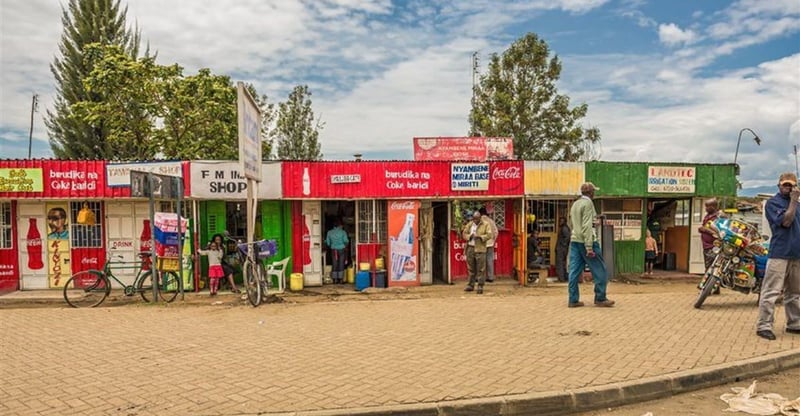
However, the urgent and accurate diagnosis is this: South Africa's digital divide is not principally a connectivity crisis. It is a complexity and cost crisis.
The township entrepreneur running a spaza shop, the informal caterer operating from a Khayelitsha garage, the micro-manufacturer working in a Tembisa backyard, many of these business owners already have smartphones and mobile data available.
What they lack is a suite of digital tools that actually fits their reality: tools that are unified rather than fragmented, affordable rather than extractive, and intuitive rather than designed only for the technically literate. The software ecosystem serving South Africa's formal economy was built for it, not for the informal sector.
The stakes of getting this wrong are significant. SMEs contribute approximately 40% to South Africa's GDP and provide 87% of employment opportunities in the country, according to a 2024 UNDP Policy Brief on SME finance.
The tension of a sector of enormous economic consequence still operating almost entirely outside digital systems is not an accident of geography or technology. It is the consequence of digital tools designed for a world the informal sector does not inhabit, and of support frameworks that have not matched the scale of the problem.
The question is what genuinely stands between them and meaningful digital participation, and what a credible blueprint for inclusive innovation must look like.
Why complexity and cost outweigh connectivity
Evidence consistently tells a story that policy has been slow to absorb.
Research commissioned by Vodacom Group, Vodafone Group, and Safaricom, found that the single greatest difficulty for SMEs is not a lack of internet access, but the high cost of technology upgrades and renewals, as well as a lack of digital skills and knowledge, while regulatory and compliance complexity emerged as a compounding constraint.
These are businesses that, often, are already connected. What they cannot access is the value that connectivity is supposed to unlock.
Enterprise software designed for the formal sector is deeply fragmented: one application for accounting, another for inventory, another for customer management, another for payroll. Each carries its own licence cost, learning curve, and integration challenge.
For a corporate entity with a dedicated IT department, this is a manageable inconvenience. For a sole trader who is simultaneously the buyer, seller, stocktaker, and delivery driver, it is an insurmountable barrier.
The solution to South Africa's digital divide cannot be handed down from corporate boardrooms in standard enterprise software packages. It must be built from an honest understanding of how the informal sector actually operates.
Upskilling as the engine, not the afterthought
South Africa's approach to digital skills development for SMMEs has too often treated upskilling as a peripheral concern, a checkbox rather than a central economic driver.
Knowing how to send a message or make a mobile payment is no longer the frontier for most township entrepreneurs. The frontier now is the ability to use a point-of-sale system to forecast demand, read a basic cash-flow report, manage an inventory system that prevents stockouts and reduces waste, or to use an e-commerce listing to reach customers beyond the immediate neighbourhood.
These capabilities have a measurable impact on business performance, and they must therefore be designed for entrepreneurs who are learning while running a business: mobile-first, available in multiple South African languages, practically grounded, and structured to produce tangible business outcomes within weeks rather than months.
Programmes that are divorced from the actual platforms a business owner will use are academic exercises. The most effective approach ties learning to doing, training the entrepreneur on the specific tools they will use in the specific context of their trade.
Unified platforms, hyper-local hubs, and the restoration of digital trust
South Africa's informal and micro-business sector is currently being handed a collection of disconnected spare parts and asked to assemble a competitive business from them.
The proliferation of fragmented software tools creates what could be called technical debt, the accumulating cost, in time, money, and cognitive load, of maintaining systems never designed to work together. For a micro-enterprise operating on thin margins and irregular cash flow, this debt is unaffordable and unmanageable.
This is where unified, all-in-one digital platforms become transformative. A single integrated system handling stock management, customer records, invoicing, payments, and basic financial reporting saves time while generating a documented and verifiable record of business performance. That record is what unlocks access to credit, supply chains and broader opportunities the formal economy offers.
But no platform deploys itself. And no amount of upskilling produces sustained business transformation without mentorship, peer learning, and community-specific problem-solving. Only physical proximity can provide this, making innovation hubs essential.
The hubs that South Africa's informal economy needs most are hyper-local institutions staffed by people with deep knowledge of the specific trading conditions, languages, and dynamics of specific communities.
The final pillar, digital trust, is the most foundational, and the most frequently underestimated. South Africa's informal sector has historically had limited confidence in the digital systems offered to it. Recent research shows that among township businesses, reluctance to formalise and to adopt digital financial tools stems significantly from a distrust of institutions and a fear of costs and regulatory obligations.
Building digital trust is therefore both a product design and policy challenge. When it is addressed well, the results can be striking. The FinScope MSME South Africa 2024 Survey shows financial exclusion among MSME owners fell from 51% in 2014 to just 12% in 2023, largely due to the rapid adoption of simple, mobile-first digital financial services.
A call to build the economy we actually have
What South Africa requires is specificity: a clear and simultaneous commitment to the four pillars of upskilling, unified platforms, hyper-local business hubs, and digital trust, pursued at a scale proportionate to the sector they are meant to serve.
Inclusive innovation is a precondition for the economy's growth. Unlocking productive potential of MSMEs through financial inclusion and digital empowerment is among the highest-return investments available to the South African state and its private sector partners.
Get new press articles by email
We submit and automate press releases distribution for a range of clients. Our platform brings in automation to 5 social media platforms with engaging hashtags. Our new platform The Pulse, allows premium PR Agencies to have access to our newsletter subscribers.
Latest from
- New Funding Scheme Expands Access To Higher Education For South African University Students
- KAP Sani2c Drives Tourism Growth And Community Upliftment Across Rural KwaZulu Natal
- City Lodge Hotels Celebrates Mothers Day With Family Getaways And Dining Experiences Across South Africa
- King V Ushers In Modern Governance With Focus On Ethical Leadership Technology And Risk Management
- Drakensberg Boys Choir Music In The City Returns As Flagship Event Celebrating Culture And Connection
- Cloud Transformation Positions Santam For Faster Innovation And Market Responsiveness
- Seychelles Showcases Policy Reform And Innovation To Unlock Energy Investment At AEW 2026
- Mining Leaders Unite To Address Skills Shortage And Build Future Ready Workforce Across Africa
- Global Vaccination Decline Raises Alarm As Preventable Diseases Threaten A Dangerous Comeback
- Hoedspruit Emerges As Ultra Luxury Property Hotspot With Exclusive Estates Near Kruger
- Award Winning Study Explores Future Of Afrikaans As Academic Language In South Africa
- Fintech Leader Tackles SME Cash Flow Crisis With Fast Funding To Combat Delayed Payments
- Amazon Launches Sustainable Sellers Incubator To Empower South African Women Entrepreneurs
- Capital Legacy Transforms Wills Industry With Engaging Approach That Gets South Africans Talking
- Carling Black Label Launches FIFA World Cup 2026 Campaign With Ultimate Semi Final Prize
The Pulse Latest Articles
- Building Ethical Ai Governance In Hr: From Policy To Practice (April 28, 2026)
- Tension Builds As Aquila Boxing Weigh-in Sets The Tone For Fight Night (April 27, 2026)
- Aquila Boxing Promotions Launches Knockout Chaos 1 With Explosive 2026 Fight Night Line-up (April 27, 2026)
- The Rise Of The Bathroom Selfie: How Skincare Became A Signal Of Personal Identity (April 27, 2026)
- The Ai Antidote: Autonomous Home Ecosystems Reducing Tech Fatigue And Improving Quality Of Life (April 27, 2026)