
Women Power Agriculture As They Shape Growth And Strengthen Communities Across South Africa
Written by: BizCommunity Editor Save to Instapaper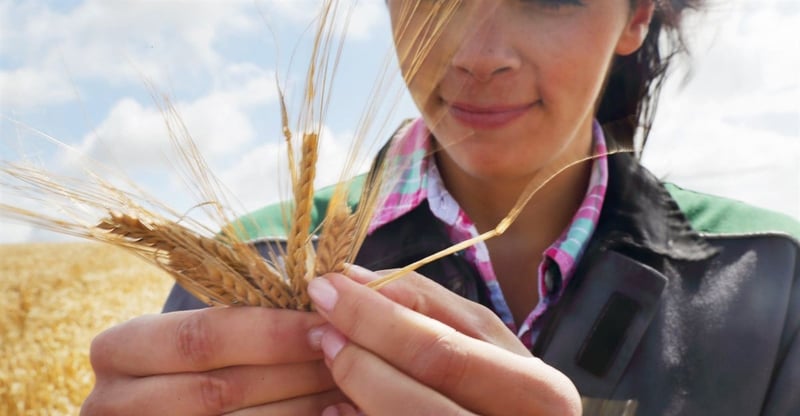
Women make up a significant share of the agricultural workforce in South Africa. According to the 2024 Commission for Gender Equality (CGE) report, women comprise 59% of workers in the deciduous fruit industry and 57% in the table grape sector. Despite their vital contributions, they face challenges such as limited access to land, finance, and modern farming technologies.
The CGE report highlights that entrenched customary practices and societal norms often prevent women from owning land or accessing critical resources. This marginalisation forces women into lower-paying, seasonal jobs and limits their ability to thrive as entrepreneurs or farm owners.
Yet, the same report indicates that research shows that agricultural productivity in developing countries could increase by 20% to 30% if women are given the same access to resources as men.
Oak Farm: A model for success
On its social media page, the Land Bank recently posted about Oak Farm, a shining example of what women in agriculture can achieve when given the right support. This is just one of many successful women-owned agribusinesses.
Oak Farm, a women-owned poultry operation, began as a modest vision with just a small flock of chicks. Today, it has grown into a thriving enterprise, managing tens of thousands of broilers while also diversifying into new agricultural ventures.
Their success story highlights the transformative impact of supporting women farmers—not only in achieving personal success but also in uplifting their communities, contributing to food security, and driving rural development.
The story of Oak Farm is a testament to the power of empowering women in agriculture and a reminder of the significant role they play in shaping a sustainable future.
Supporting women farmers with tools and resources
Access to finance, technical guidance, and innovative solutions can help women farmers grow their businesses, adopt climate-smart practices, and increase productivity.
Short-term and long-term financing options can assist with seasonal production needs, modern machinery, and renewable energy initiatives, while blended funding models can make capital more accessible to smallholder and emerging farmers.
Beyond financing, digital tools such as GIS technology help farmers make data-driven decisions about land use, crop selection, and environmental risks.
Partnerships with government agencies, agricultural associations, and NGOs provide additional training, technical support, and market access, helping women fully participate in the agricultural value chain.
By combining these resources and tools, women are better equipped to lead farms, innovate, and contribute to the resilience and sustainability of the sector.
Women as drivers of change
The participation of women in agriculture is not just a moral imperative but an economic necessity. Empowered women farmers have the potential to transform the sector by driving productivity, fostering innovation, and building resilience against challenges.
The CGE report reminds us that women are often excluded from policy implementation and decision-making processes, limiting their ability to thrive as farm owners or leaders. Initiatives like those offered by Land Bank are crucial to breaking these barriers and ensuring women are not just participants but leaders in agriculture.
As we celebrate Women’s Month, it is vital to continue empowering women in agriculture. The success of Oak Farm shows what is possible when women are given access to resources, training, and opportunities.
Get new press articles by email
We submit and automate press releases distribution for a range of clients. Our platform brings in automation to 5 social media platforms with engaging hashtags. Our new platform The Pulse, allows premium PR Agencies to have access to our newsletter subscribers.
Latest from
- 7 Business Trends Your SME Can Leverage In 2026
- Sadilar Amplifies Visibility And Impact During Conference Season
- Future-ready Logistics- 5 Shifts TO Watch In 2026 (SUB-saharan Africa)
- Dunlop Urges Motorists To Prioritise Tyre Safety On The Busy Joburg To Cape Town Festive Route
- Poverty Trends Report Shows National Progress But Flags Growing Challenges In Gauteng
- SDG Challenge SA 2025 Highlights The Power Of Youth Innovation In Shaping A Sustainable Future
- Experienced Industry Leader Pauli Van Dyk Named Dean Of AFDA’s Upcoming Hatfield Campus
- South Africans Keep Tourism Alive As Homegrown Travel And Local Spending Rise
- Pretoria Student Wins Global Excel Esports Competition
- AfDB Steps Up Support For Somalia With $76m Investment In Roads And Regional Integration
- Corporate Law Experts Warn Directors Of Serious Consequences For Improper Transaction Approval
- New 3% Inflation Target Begins To Shift Expectations In South African Economy
- Retail As A Development Catalyst Drives New Africa Developments’ Inclusive Growth Strategy
- Collaborative SEF Model Shows How Civil Society And State Can Rebuild Economic Trust
- Shumani Accelerates Industrial Growth With Bheka Forklifts And New Equipment Plans For 2026
The Pulse Latest Articles
- Education Is The Frontline Of Inequality, Business Must Show Up (December 11, 2025)
- When The Purple Profile Pictures Fade, The Real Work Begins (December 11, 2025)
- Dear Santa, Please Skip The Socks This Year (December 10, 2025)
- Brandtech+ Has 100 Global Creative Roles For South African Talent (December 9, 2025)
- The Woman Behind Bertie: Michelle’s Journey To Cape Town’s Beloved Mobile Café (December 9, 2025)