
South Africa’s car repair industry faces critical training shortage as hybrid apprenticeship pilot targets wider access
Written by: BizCommunity Editor Save to Instapaper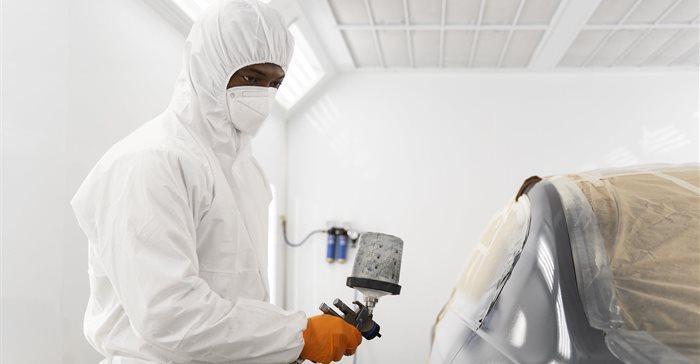
The pilot was conducted in partnership with an RMI private training service provider and was designed to improve access to apprenticeship training where traditional training provision is limited geographically.
Sambra says the model could help address one of the challenges facing skills development in the automotive aftermarket, with the number of merSETA-approved training providers having fallen from 30 to 18 nationally.
The shortage is particularly acute for automobile spray-painting training. According to Sambra national director Juan Hanekom, there are currently no training providers for the trade in Gauteng, KwaZulu-Natal or Mpumalanga, meaning employers may have to send apprentices to other provinces to qualify.
Combining classroom and workplace training
The hybrid model combines face-to-face instruction, distance education and technology-supported learning.
Web-based supplementary programmes provide learners with additional curriculum material between contact sessions, while print-based distance education provides another way to access learning material.
Sambra stressed that the approach is intended to complement rather than replace practical workplace training.
“Technology can extend the reach of training, but it can never replace the importance of a skilled mentor in the workplace,” said Hanekom.
Motor body repair is a practical trade, with apprentices developing technical skills in body shops under the guidance of experienced workers.
The hybrid model therefore combines structured contact sessions, distance learning and information and communications technology (ICT)-supported activities with practical workplace experience.
Addressing access to training
Hanekom said the pilot was intended to determine whether a more flexible training model could improve access without compromising the quality of learning or the role of workplace experience.
“Access to training remains one of the biggest barriers to developing the skilled artisans our industry needs,” he said.
Sambra says the pilot demonstrated the potential for flexible training models to complement existing pathways and broaden access to skills development.
The association is now planning a national rollout of the model, although the release does not provide a timeframe for implementation.
“South Africa needs more skilled artisans, not fewer, and we need training models that recognise the realities faced by employers,” said Hanekom.
Get new press articles by email
PressPortal helps businesses and PR agencies distribute press releases efficiently across the Southern African media landscape. We manage press release submissions for a diverse range of clients, combining professional distribution with smart automation to extend the reach of every story. Our platform automatically shares published press releases across five social media platforms, supported by re... Read More