
Industry Insights Explore How Reverse Premiumisation Could Shape Future Of South African Wine
Written by: WineLand Media Editor Save to Instapaper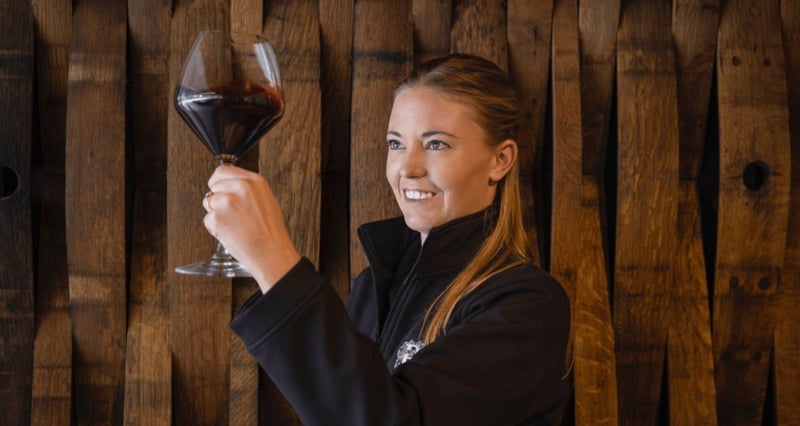
Skye Nolan’s winning entry for the 2024 SA New Wine Writer of the Year Competition
To understand the concept of “reverse premiumisation,” one must first grasp the idea of premiumisation itself: the strategic effort to elevate the perceived value of a product, enabling producers to demand higher prices.
Premiumisation thrives in economies where consumer spending has not yet reached its ceiling, allowing producers to profit from discretionary income. However, global economic trends suggest that this phenomenon is slowing, and in some cases, reversing—a development with significant implications for South Africa’s wine industry.
Premiumisation in context Premiumisation has represented an aspirational step forward for many wineries. Producers could justify striving towards premium pricing by focusing on high-quality production, exclusive branding, and compelling narratives. This was particularly evident in the rise of high-end MCCs and boutique Chenin Blancs in South Africa, which gained international acclaim. However, as global inflation rises and disposable income shrinks, the economic environment becomes less conducive to such strategies.
BusinessTech states, “Real income gains are being steadily eroded by a cost of living that consistently outpaces wage growth, painting a challenging picture for financial sustainability in the years to come.” This disparity has only widened, amplified by recent global crises, including the COVID-19 pandemic, geopolitical instability, and supply chain disruptions. In this context, the luxury wine market now faces mounting challenges.
The role of established premium brands While reverse premiumisation can signal a shift in consumer behaviour, there remains a vital place for established premium wines such as Kanonkop Black Label and Vilafonté Series C. These names exemplify the pinnacle of quality, achieved through decades of meticulous brand building, unwavering commitment to excellence, and a strong connection to local and global audiences.
However, achieving such a premium status is no small feat. It requires consistent investment in quality and a well-crafted narrative that resonates with consumers over time. “There isn’t a place for everyone at the top. A producer must intensely market their offering to achieve a top spot and to stay there – the fruits of which are only harvested many years later,” Dirkie Morkel, former third-generation viticulturist at Bellevue Wine Estate, says. The exclusivity that defines these premium brands also limits the space available for others to share in their success.
For wineries outside this rarefied tier, the challenge lies in finding balance. They must offer value-driven wines that appeal to a broader market while maintaining the hallmarks of quality and authenticity. This dual approach can ensure relevance in a market that increasingly values accessibility alongside prestige.
“Premiumisation in South Africa is fragmented. We have a lot of companies that premiumise with small volumes, which is a weakness and not a strength.” Mike Rattcliffe, owner of Vilafonté, says. “The opposite is true in that very few companies premiumise with volume. In general, if a winery in South Africa has success with a wine, they automatically put up the price, but what if they just made more instead of this? Is that not a form of premiumisation?”
Rationalisation for “reverse premiumisation” Reverse premiumisation reflects a recalibration of market priorities, driven by economic realities and shifting consumer behaviours. With rising production costs spanning everything from labour to raw materials to energy, many wineries must find innovative ways to maintain profitability without alienating cost-conscious consumers. Simultaneously, consumer disposable income is shrinking, particularly in emerging markets like South Africa, where socioeconomic inequality exacerbates these pressures.
“Price is always the ultimate decider. We are in an industry of two products, you have your bottom end, lower tier wines that behave like commodities and here the price sensitivity theory keeps true, while your super premium, luxury wines behave like Ferrari and Louis Vuitton handbag sales, which is completely different,” Petri de Beer, senior agricultural economist at Vinpro says, when looking at what drives mid and lower tier sales.
The IMF highlighted that “South Africa’s economy faces significant macroeconomic challenges, including declining GDP per capita, rising debt, high unemployment, poverty and inequality.” These factors and global economic stagnation have placed significant constraints on luxury spending. For South African wineries, the implications are clear: remaining tethered to a premiumisation-only strategy risks alienating a substantial portion of the consumer base.
The consumer of tomorrow Today’s wine consumers, particularly younger generations, demand more than just quality; they seek authenticity, value, and alignment with their ethical priorities. This demographic, often referred to as “hype-conscious buyers,” wields significant influence despite having less disposable income. Their purchasing decisions are shaped by transparency, sustainability, and a desire for brands that resonate with their values. “There is definitely a place for a good quality wine, with neat packaging, which isn’t unnecessarily expensive”, Dirkie says. “And you will reach a larger target market with wine by doing so.”
For South African wineries, catering to this demographic means striking a balance between affordability and perceived value. Key strategies for appealing to these consumers include simplifying packaging, adopting transparent labelling, and emphasising sustainable practices. By meeting these expectations, wineries can foster trust and loyalty in a competitive market.
A call to action Reverse premiumisation is not a passing trend; it is a transformative shift that demands a proactive response from the South African wine industry. The days of aiming solely towards higher price points and exclusive narratives are over. Instead, wineries must embrace a dual strategy: maintaining the allure of premium products while developing accessible lines or laddering. “Laddering is creating an entry point for consumers to buy into your brand. If you have various entry points for consumers to buy into your portfolio, you allow them to trade up within your brand as well,” Deidre Taylor, sales and marketing manager at Meerlust Wine Estate, says.
This approach requires a long-term vision and a willingness to invest in innovation. Wineries that begin this process now, rather than playing catch-up, will be better positioned to navigate the evolving market landscape. The stakes are high, but so are the rewards for those willing to adapt.
Significant development or temporary phenomenon? The future of South African wine lies in its ability to adapt to the realities of reverse premiumisation and recognise it as a significant development within the industry. By acknowledging consumers’ economic constraints and embracing the triple bottom line, wineries can redefine success in a way that balances profitability with purpose. As global and local markets continue to evolve, South Africa has the opportunity to lead by example, showcasing how innovation and authenticity can shape the future of wine.
To enter the 2025 South African New Wine Writer of the Year Competition, please click here.
Get new press articles by email
We submit and automate press releases distribution for a range of clients. Our platform brings in automation to 5 social media platforms with engaging hashtags. Our new platform The Pulse, allows premium PR Agencies to have access to our newsletter subscribers.
Latest from
- 7 Business Trends Your SME Can Leverage In 2026
- Sadilar Amplifies Visibility And Impact During Conference Season
- Future-ready Logistics- 5 Shifts TO Watch In 2026 (SUB-saharan Africa)
- Dunlop Urges Motorists To Prioritise Tyre Safety On The Busy Joburg To Cape Town Festive Route
- Poverty Trends Report Shows National Progress But Flags Growing Challenges In Gauteng
- SDG Challenge SA 2025 Highlights The Power Of Youth Innovation In Shaping A Sustainable Future
- Experienced Industry Leader Pauli Van Dyk Named Dean Of AFDA’s Upcoming Hatfield Campus
- South Africans Keep Tourism Alive As Homegrown Travel And Local Spending Rise
- Pretoria Student Wins Global Excel Esports Competition
- AfDB Steps Up Support For Somalia With $76m Investment In Roads And Regional Integration
- Corporate Law Experts Warn Directors Of Serious Consequences For Improper Transaction Approval
- New 3% Inflation Target Begins To Shift Expectations In South African Economy
- Retail As A Development Catalyst Drives New Africa Developments’ Inclusive Growth Strategy
- Collaborative SEF Model Shows How Civil Society And State Can Rebuild Economic Trust
- Shumani Accelerates Industrial Growth With Bheka Forklifts And New Equipment Plans For 2026
The Pulse Latest Articles
- Education Is The Frontline Of Inequality, Business Must Show Up (December 11, 2025)
- When The Purple Profile Pictures Fade, The Real Work Begins (December 11, 2025)
- Dear Santa, Please Skip The Socks This Year (December 10, 2025)
- Brandtech+ Has 100 Global Creative Roles For South African Talent (December 9, 2025)
- The Woman Behind Bertie: Michelle’s Journey To Cape Town’s Beloved Mobile Café (December 9, 2025)