
Wine Industry Urged To Rethink Language And Lifestyle Appeal To Win Over Younger Drinkers
Written by: WineLand Media Editor Save to Instapaper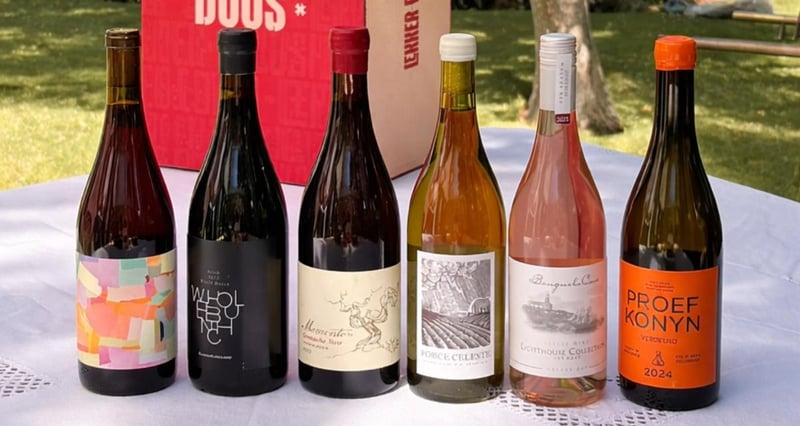
South African wine is losing its seat at the braai. Not because it lacks quality, but because we’re talking about it in a language Gen Z doesn’t speak.
South Africa’s wine industry is a multi-billion-rand sector supporting more than 250 000 jobs and forming a critical part of our agricultural and cultural identity. Yet wine consumption is declining, especially among younger consumers who are more health-conscious and often unsure where wine fits into a modern lifestyle.
This is not because South African wine lacks quality. It is because we are not always translating wine in a way that feels relevant, welcoming and natural for the next generation of drinkers.
What Gen Z brings to the braai When I look at what my friends bring to a braai, it is usually cocktails, beer, tequila, hard seltzers or premixed drinks. When I look at what my parents and their friends bring, it is wine.
The shift is already happening.
Wine is quietly being replaced in everyday social occasions, not because young people dislike it, but because it is no longer positioned as the obvious, easy social choice. And if wine is not part of those early social habits, it becomes much harder to compete later.
Wine should be fun too – it should create the same sense of excitement and anticipation that people feel when they think of tequila, cocktails or weekend drinks with friends.
Speaking two different wine languages My perspective is shaped by living in both worlds at the same time.
I am Gen Z. I experience how my friends think, drink and socialise every day. But I am also the daughter of a winemaker, and I work in the wine industry, exporting and selling wine largely to older generations, where conversations naturally focus on terroir, vintage variation, farming practices and cellar techniques.
Both conversations are valid. But they are not the same conversation.
What works for a 55-year-old wine buyer in Europe does not work for a 25-year-old deciding what to take to a picnic. The problem is not what we say about wine; it is when and to whom we say it. We need to learn to read our audience and choose the right opening line.
Wine is different – and that’s exactly why it needs a smarter entry point Wine is not just another beverage competing with beer or spirits. It carries land, climate, people, generations and time in every bottle. But Gen Z does not start their relationship with wine through terroir. They start through moments.
If wine is introduced as complicated, formal, rule-driven and knowledge-heavy, then other drinks will always win the casual social moments.
This does not mean removing depth from wine. It means changing where the story begins.
Removing judgement creates space for curiosity Many young consumers still feel that wine comes with rules: the right glass, the right temperature, the right pairing, the right way to talk about it. That pressure pushes people away.
But if communication instead says “drink what you like, how you like it, with food or without food, with or without ice”, then something important happens, people relax.
And relaxed people become curious. Curious people start asking questions. That is when education becomes welcome.
You do not need to start with soil types to earn respect. You need to start with comfort.
Start with lifestyle, then tell the wine story Traditionally, wine communication begins with production. But younger consumers connect first with experience. They connect with food, friends, movement, travel, wellness and everyday pleasure.
A practical example Myself and a fellow wine lover Tristan Maske started a monthly curated winebox called “LekkerDoos“. Now hold your judgement, because that’s the point we want to get across. It’s a monthly curated wine box that changes monthly and is delivered nationwide. It’s not about selling wine differently, but about experimenting with how wine can be communicated in a way that feels more approachable, modern and part of everyday life.
The wines are premium, often limited releases and from up-and-coming producers or alternative styles such as whole-bunch ferments or skin-contact wines. But the communication around them is deliberately relaxed, friendly and non-pretentious. Food suggestions and light educational notes are included, not as lessons, but as optional guidance for those who want to learn more.
The strongest signal, however, is not in the wine selection. It is in the identity.
I originally thought of calling it “The Wine Box”, but it felt old-fashioned and formal. Tristan suggested “LekkerDoos”. The name is informal, playful, proudly South African and slightly tongue-in-cheek. It is bold, it catches attention, and all it really says is “lekker box”, with a playful pun.
That initial reaction immediately removes formality and intimidation. It says this is not exclusive, this is not trying to impress you, this is simply something enjoyable. Instead of asking people to take wine seriously first, it allows them to enjoy first and explore later.
The packaging follows the same philosophy. The visual language is modern, slightly retro and playful, because packaging is the first emotional connection with a product. Before anyone reads a label, they respond to colour, design and mood. If wine looks friendly and current, people are far more willing to engage, especially those who may not yet feel confident in wine spaces.
Gen Z is not a future market. It is a current one. There is often an assumption that Gen Z will eventually “grow into wine” the way previous generations did. Perhaps…
This generation socialises differently, earns differently, shops differently and makes purchasing decisions differently. Many young people today have significant spending power through digital careers, online businesses and social platforms, far earlier than previous generations did.
Other drinks categories are actively targeting this audience and winning those social moments. If wine wants a share of that market, it must speak their language now, not later. With moderation and health consciousness increasing across all age groups, both younger and older consumers are essential for the long-term sustainability of the industry.
Why should every other drinks category benefit from Gen Z’s spending power, but not wine?
What this means for the industry Producers do not need to change how they farm or how they make wine. What may need to change is how stories are introduced, how brands present themselves, and how much pressure we place on consumers to “know” wine before they are allowed to enjoy it.
The industry already has extraordinary stories. The challenge is translating them into a cultural language that feels relevant to the next generation.
A collective responsibility to stay relevant No single brand or initiative can change wine consumption trends alone. But if more producers, marketers and retailers begin to remove judgement, lead with enjoyment and lifestyle, simplify first contact with wine and modernise communication, make it fun, then wine can reclaim its place in everyday social life, not only in formal settings.
South African wine producers also need to modernise how they market, collaborate, and engage, not just how they talk. Reaching a Gen Z audience means social media campaigns that are playful, visual, and story-driven rather than salesy. Collaborations with lifestyle brands, chefs, artists, musicians, or sports communities as drinking wine in moderation also means a fit and healthy lifestyle; and advertising that feels native to platforms like Instagram. At cellar doors, tastings should be relaxed and experiential, storytelling that feels conversational, not scripted. From the way producers present themselves online and in person to the experiences they create, the goal is simple: make wine feel social, accessible, and fun, something you want to be part of, not something you need to study.
Get new press articles by email
We submit and automate press releases distribution for a range of clients. Our platform brings in automation to 5 social media platforms with engaging hashtags. Our new platform The Pulse, allows premium PR Agencies to have access to our newsletter subscribers.
Latest from
- South Africa Launches Comprehensive AI Policy Built On Ethics Innovation And Inclusive Development
- White Star Launches Real Homemakers Initiative To Celebrate Caregivers And Community Champions
- Angola Oil And Gas Conference Returns As Sector Enters New Phase Of Growth And Investment
- Investment Conference Delivers Record Commitments To Fuel Growth Jobs And Economic Recovery
- Brazil Africa Energy Nexus Emerges As Key Driver Of Offshore Investment And Project Delivery
- Standard Bank And National Arts Festival Announce 2026 Young Artist Award Winners
- Air Cargo Demand Climbs Sharply In February As Industry Navigates Fuel Costs And Conflict Risks
- CFAO South Africa Reports Resilient Performance Through Diversification And Cost Focused Strategy
- Caribbean Energy Week Brings Leaders Together To Advance Oil Projects Renewables And Regional Growth
- Pantry Introduces Enhanced Pop Up Experience In Sandton With Focus On Quality And Convenience
- TotalEnergies Invests In West Coast Entrepreneurs Through Training Mentorship And Enterprise Support
- GIBS Highlights Importance Of Human Centred Leadership In Times Of Uncertainty And Change
- Sars Delivers Above Target Revenue Performance Amid Tough Economic And Global Conditions
- Industry Warns Of Growing Illicit Alcohol Trade Amid Rising Costs And Easter Demand Surge
- Khoi Tech Leads Innovation In Africa With Locally Developed Wearables And Integrated Health Platforms
The Pulse Latest Articles
- Bright Beginnings Preschool Celebrates Linden Campus (April 2, 2026)
- Female Founders Announce Launch Of South Africa’s Premium Brand Advisory Firm: Aura (April 2, 2026)
- Ai Fraud Defence Launches In South Africa As Deepfakes Hit Financial Institutions (April 1, 2026)
- Influencers Share Their Favourite Holiday Games (March 26, 2026)
- Procurement Can Buy Pr. It Cannot Buy Judgement. (March 25, 2026)