
Blood Types Decoded - How They Impact Emergency Care
Written by: BizCommunity Editor Save to Instapaper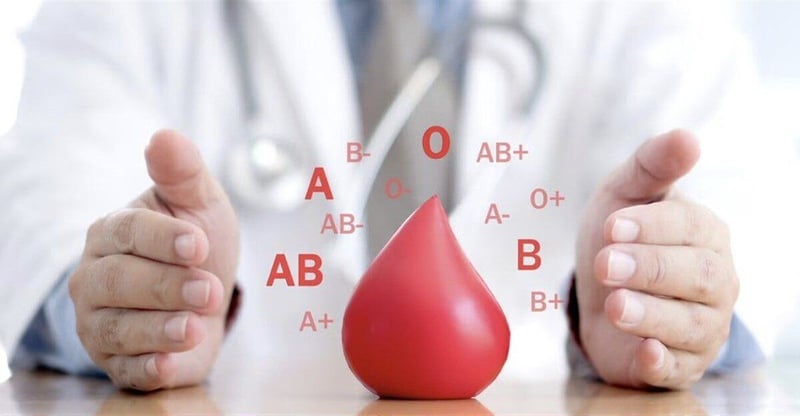
Blood is pretty fascinating—it’s not just a red liquid, but a mix of different cells and proteins, each with a specific job. The liquid part, called plasma, carries nutrients, hormones, and proteins around the body. It also helps with blood clotting and keeps blood pressure in check.
Then you’ve got red blood cells, which are like tiny oxygen transporters, carrying oxygen from your lungs to the rest of your body and bringing carbon dioxide back to the lungs so you can exhale it. White blood cells are the body’s defense team, fighting off infections and diseases. And finally, platelets are the little first-aid responders, helping your blood clot to stop excessive bleeding when you get a cut or injury.
Understanding your blood type, who can donate to whom, and how medical schemes like Medshield cover emergency transfusions is key to being prepared.
Blood types and their importance
Your blood type is determined by the presence or absence of specific antigens on red blood cells. There are four main blood groups: Type A, Type B, Type AB (universal recipient), and Type O (universal donor).
People with O-negative blood are universal donors, meaning their blood can be given to anyone regardless of their blood type. People with AB-positive blood are universal recipients, meaning they can receive blood of any type. The other blood types must be carefully matched to avoid adverse reactions.
Each type can also be either Rh-positive (+) or Rh-negative (-), depending on whether they carry the Rh factor protein. Knowing your blood type is critical in emergencies, as receiving the wrong blood type can trigger an immune response, leading to complications such as fever, breathing difficulties, and even life-threatening reactions.
All about blood transfusions
Blood transfusions are necessary in various situations, including severe blood loss from accidents, major surgeries, or complications during childbirth, where immediate transfusion may be required to prevent life-threatening consequences.
Chronic conditions such as anaemia, leukaemia, and sickle cell disease often necessitate regular transfusions to maintain healthy blood levels. Additionally, cancer treatment, particularly chemotherapy, can damage the bone marrow's ability to produce blood cells, making transfusions essential for recovery. Patients with clotting disorders, such as haemophilia, may also require transfusions of platelets or plasma to prevent excessive bleeding and to manage their condition effectively.
While blood transfusions are generally safe, there are some risks involved. Some individuals may experience allergic reactions following a transfusion, such as itching or fever. Frequent transfusions can lead to iron overload, which may require medical intervention to manage excess iron levels in the body. In rare cases, the immune system may react against transfused blood cells, causing complications. Fortunately, blood banks and medical facilities adhere to stringent guidelines to screen and test all donated blood, ensuring the highest level of safety for recipients.
With only a tiny percentage of the population regularly donating blood, South Africa often faces shortages in blood supply. If you are healthy and eligible, consider donating blood to help save lives. Your donation can benefit multiple patients as it is separated into red blood cells, plasma, and platelets for different uses.
Medical aid cover and PMB conditions
In South Africa, medical schemes are legally required to cover blood transfusions under Prescribed Minimum Benefits (PMBs) when necessary. It means that if a transfusion is required due to a life-threatening emergency, a PMB-listed condition, or a chronic disease, your medical aid will cover it.
South /african medical scheme, Medshield, for example, ensures that its members receive the necessary care by covering blood transfusions under the following conditions:
- Transfusions required for any 271 Prescribed Minimum Benefit (PMB) conditions.
- Blood transfusions for one of the 26 Chronic Disease List (CDL) conditions.
- Emergency transfusions due to severe trauma, blood loss, or life-threatening shock.
Suppose your medical scheme refuses to cover a necessary transfusion that qualifies under PMBs. In that case, you have the right to challenge the decision by lodging a formal complaint to the Council for Medical Schemes.
Stay informed and prepared
Understanding blood types and transfusions is crucial, especially in emergencies. By knowing your blood type, ensuring adequate medical-aid cover, and even considering blood donation, you can contribute to a healthier society.
Many people do not know their blood type until they face an emergency, but discovering it is simple. You can ask your doctor; your medical history or previous lab tests may have recorded your blood type.
Another option is to donate blood, as blood donation centres typically provide this information after donation. Alternatively, a straightforward blood test at your local clinic or hospital can quickly determine your blood type, ensuring you are prepared for any medical situation that may require it.
Stay informed, stay prepared, and ensure your medical scheme supports you when needed.
Get new press articles by email
We submit and automate press releases distribution for a range of clients. Our platform brings in automation to 5 social media platforms with engaging hashtags. Our new platform The Pulse, allows premium PR Agencies to have access to our newsletter subscribers.
Latest from
- S&P PMI Shows Output Growth In South Africa Despite Drop In Orders And Business Confidence
- South African Airways Announces CEO Resignation After Successful Rebuilding Period
- GCIP SA Awards Spotlight Breakthrough Green Technologies And High Impact Startups
- Old Mutual Launches Khokha Umoya To Support Families With Dignity And Care During Bereavement
- Industry Leaders Raise Alarm Over Exclusion Of African Talent From Key Energy Platforms
- Rogerwilco Report Reveals Shift In Automotive Marketing As Digital Conversations Drive Buyer Choices
- Nedbank Sun International And MTN Foundation Back Act Nyoloha Scholarships For Future Artists
- Government Highlights Bolobedu Solar Plant As Model For Clean Energy And Inclusive Growth
- Axe Introduces Fine Fragrance Collection Designed For Long Lasting Freshness And Modern Appeal
- World Bank Insights Highlight Importance Of Structured Home Learning Environments For Child Development
- World Bank Revises Africa Growth Forecast As Global Instability And Debt Pressures Mount
- New Insights Show High Attention Campaigns Boost Market Share While Testing Reduces Risk
- Harley Davidson Introduces Ride As Global Brand Platform Celebrating Motorcycling Experience
- Effie And Ipsos Unveil 2025 Trends Report Showcasing What Drives Real Marketing Effectiveness
- FirstRand Completes Pioneering Shariah Compliant Deal For Major South African Property Development
The Pulse Latest Articles
- Interpol Warns Of Global Crime Networks, Sa Businesses Urged To Rethink Detection (April 10, 2026)
- Adaptive Leadership In Motion: Why Logistics Needs A Different Kind Of Strength (April 9, 2026)
- Ai Isn’t Shrinking Marketing Jobs - It’s Exposing A Bigger Talent Crisis (April 8, 2026)
- Stones Safaris Unveils A New Approach To Safari Through Experience-led Activities (April 8, 2026)
- Bright Beginnings Preschool Celebrates Linden Campus (April 2, 2026)