
Global Hiring Trends In 2026 Put South African Skills Firmly In The International Spotlight
Written by: BizCommunity Editor Save to Instapaper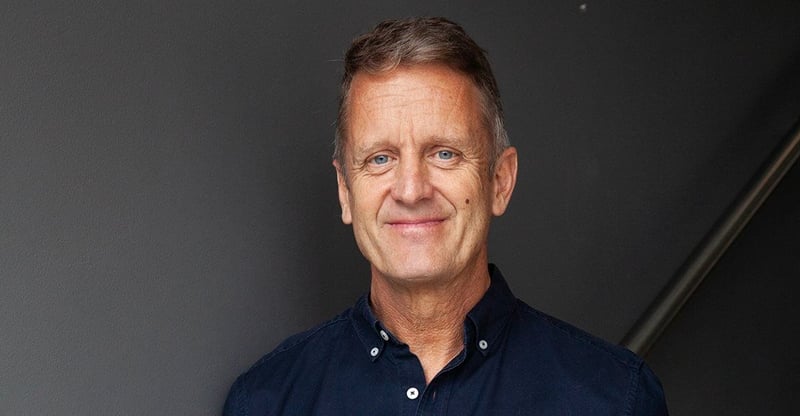
Anton van Heerden, CEO of DNA EOR
I spend a lot of time talking to HR leaders and founders across South Africa, the UK, the US and Europe. Whether it’s a fast-scaling startup or a multinational with a continent-wide footprint, the themes are starting to sound very similar: ”Where do we find the right people?”; “How do we hire them quickly?”; and “How do we stay compliant while doing it?”
Meanwhile, international companies are eyeing South African talent harder than ever and they’re doing it because the talent holds up. The cost advantage is real - because remote work has erased the distance between Johannesburg and New York.
For South African employers, this means one thing. If you have high performers, look after them because global companies are circling, and on the flip side, South African job seekers know they can grow faster with organisations that give them global exposure.
Here are the biggest shifts shaping 2026 and what HR teams should be preparing for now.
1. Cross-border hiring has gone mainstream
Hiring globally isn’t only for the big guys anymore. According to a multi-country survey, 86% of companies say they’re planning to expand their international hiring footprint within two years. Half expect international talent to make up at least 50% of their workforce by 2027.
Talent shortages and cost pressures are driving this wave and if you’re not building global pipelines, you’re playing catch-up.
What to do: Stop treating international hiring as an exception and build proper workflows, from sourcing to onboarding to compliance, that can scale.
2. Compliance is tightening up and mistakes get expensive
The era of “freelance” loopholes is closing fast and countries are clamping down on misclassification. Take the UK’s IR35 reforms as an example.
They’ve already shifted thousands of contractors onto payroll. In South Africa, the Basic Conditions of Employment Act (BCEA), combined with the Labour Relations Act, uses a “presumption of employment” approach. If a worker behaves like an employee, they probably are one under the law, no matter what the contract says.
What to do: Do proper assessments based on working relationships, not just contract labels. If you’re hiring internationally, make sure you’ve got the right legal setup for each country.
3. Skills are changing faster than job titles
The World Economic Forum predicts that nearly 40% of core job skills will shift by 2030. Think data, AI, cybersecurity but also problem-solving, creativity, and adaptability. It’s not just about what people can do today but also about what they’re learning next.
What to do: Move away from hiring by job title. Identify critical skills for the next 12 to 24 months, then build teams around those; wherever they are in the world.
4. AI is now an HR problem too
We’re past the “will we use AI” stage. The real question is how we redesign jobs around it.
McKinsey’s global research shows that while adoption is ramping up, most companies haven’t sorted out retraining, task reallocation or governance.
What to do: Set up a cross-functional group that includes HR, IT and ops. Map which tasks can be automated, and design new roles that make room for higher-value work.
5. Portfolio careers are normal now
A growing number of professionals are juggling multiple gigs, across time zones and tax brackets. It gives you access to top-tier, niche talent, but it also raises new questions around compliance, engagement, and IP.
What to do: Create a proper framework for freelancers and contractors around onboarding, communication, and culture touchpoints. Don’t let them float around in the shadows of your business.
6. South Africa is becoming a serious contender in global hiring
South Africa should be on the radar of every global company that wants to expand their global footprint. We rank 11th globally for English proficiency (EF EPI 2024) and align well with European time zones.
The Global Business Services (GBS) sector added over 14,000 export jobs in 2024, and we continue to outperform in customer service, finance, and IT delivery.
For an obvious reason, South African CX talent is exceptional. They establish a personal connection with their clients and cultural compatibility and accent neutrality facilitate easier communication with clients from Europe and the United Kingdom.
Additionally, the CX industry has a high work ethic. Customer satisfaction rates in South Africa far exceed those in India and the Philippines, thus many international BPO buyers have subtly moved their volumes there.
Communication takes a whole new level when the other person is approachable, sympathetic, and solution-oriented.
What to do: Build hiring channels in South Africa. It’s cost-efficient, has top-tier people, and offers real-time overlap with Europe.
7. Remote culture isn’t something that “just happens”
8. Fast expansion looks good in a board meeting but sustainability wins
Setting up an entity in a new country can take months and jumping in too fast without infrastructure leads to messy payroll, poor compliance and no local insight. The more global you become, the more important your partnerships become.
Technology matters but people matter more. When things go wrong, you need a human being who knows the local rules and can act immediately.
What to do: Compare entity setup versus Employer of Record models. Look at tax, filings, local representation, employee benefits, HR support and the ease of exit and choose partners who can pick up the phone when the ‘paw-paw hits the fan’.
Checklist for 2026 hiring plans:
- Do we know where the skills we need actually are?
- Have we reviewed contractor vs employee rules in each country?
- Are our managers ready to lead remote, diverse teams?
- Do we have a plan for AI adoption and people impact?
- What do our first 90 days look like for a new global hire?
- Are we measuring global hiring success beyond headcount?
The pressure is real, but there’s also an upside. Companies that treat international hiring as a proper system, not a side project, will outpace their competitors.
The playbook is skills-first, compliance-backed, culture-aware, and future-ready. This is the benchmark for 2026 - the companies that get ahead of it now will set the pace for everyone else.
Get new press articles by email
We submit and automate press releases distribution for a range of clients. Our platform brings in automation to 5 social media platforms with engaging hashtags. Our new platform The Pulse, allows premium PR Agencies to have access to our newsletter subscribers.
Latest from
- Zaru Introduced As Fully Rand-Backed Digital Currency To Enable Faster And More Efficient Payments
- Why Human Truths Will Outlast Marketing Trends As Brands Navigate An AI-Driven 2026
- Marketing Leaders Urged To Prioritise Full-Funnel Execution Over Chasing Trends In 2026
- Club Med Opens The Door To Unforgettable Snow Holidays For Every Kind Of Traveller
- Invest In African Energy 2026 Showcases High-Confidence Markets With Strong Government Engagement
- Kumba Forecasts Earnings Growth In 2025 As Iron Ore Prices And Volumes Rise
- Namibia Strengthens Upstream Governance As Petroleum Unit Joins NIEC 2026
- Renishaw Coastal Precinct Drives Investor Optimism With Sustainable KZN Development Plans
- TNPA Enhances Operational Reliability With Advanced Mooring Units At Major Container Ports
- MTN In Talks Over Possible IHS Towers Deal As It Eyes Infrastructure Control
- Shoprite Group Launches Comprehensive Bursary Programme To Build Long-Term Careers
- South African Tourism Seeks New CMO To Rebuild Global Brand Amid Governance Reset
- Fellowship Programme Targets Future Entrepreneurs From South Africa’s Matric Class Of 2026
- Education Portability Comes Under The Spotlight As Emigration Intentions Rise
- Skills Gaps And Cost Pressures Weigh Heavily On South African Hoteliers, Report Finds
The Pulse Latest Articles
- Back To Work, Back To Balance: Rethinking The 3pm Slump (February 5, 2026)
- Back-to-school Lunchboxes That Just Make Sense (February 5, 2026)
- Applying Inclusive Development Finance Strategies Within The World Order Messy Middle By Zeph Nhleko (February 4, 2026)
- Xlink Delivers 100% Proven Network Uptime For The 12 Months Of 2025, Redefining Enterprise Connectivity (February 4, 2026)
- Game On, Gloot Girls! Get Ready For The Strongest, Sassiest 10s Series Yet. (February 3, 2026)