
Janeke Schroeder - Durbanville Hills assistant winemaker on breaking barriers and championing fruit-driven wines
Written by: BizCommunity Editor Save to Instapaper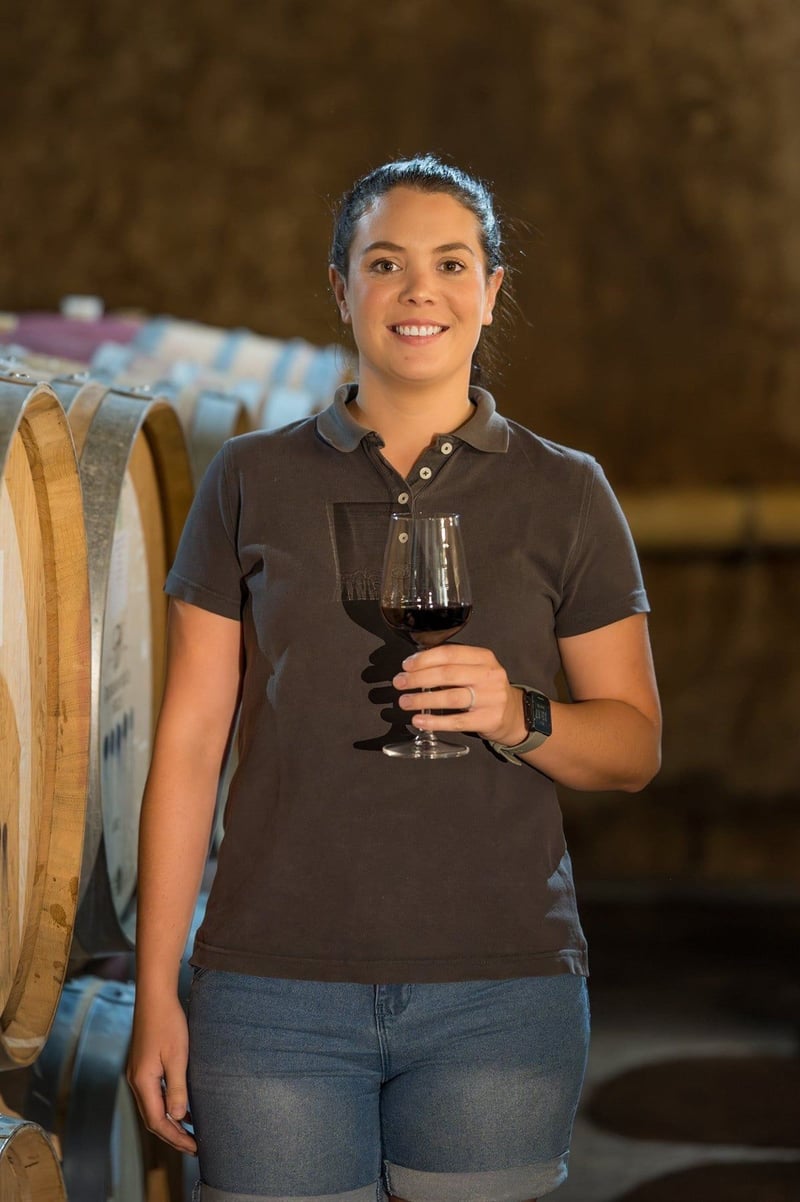
Having built her background at Diemersdal and Leeuwenkuil, Schroeder knows what it takes to find your footing in a traditionally male-dominated trade.
Bizcommunity caught up with her to talk about pushing past assumptions, getting hands-on in the cellar, and why the craft always comes back to the fruit.
You have built your career across several respected South African wineries before joining Durbanville Hills as assistant winemaker. What first inspired you to pursue a career in winemaking, and what has kept you passionate about the industry?
What inspired me to pursue winemaking was the ability to take something as simple as grapes and turn it into something rich with character, meaning, and complexity. I enjoy working at the intersection of science, nature, and creativity, where not everything can be controlled. To me, every bottle reflects its place, its season, and the choices that shaped its journey.
Winemaking has traditionally been a male-dominated profession. What challenges have you faced as a woman in the cellar, and how have those experiences shaped the winemaker you are today?
In recent decades, women have shattered the confines of tradition, stepping into diverse roles within the wine industry. Winemaking, once seen as an exclusively male craft, has welcomed a wave of talented women who contribute their skills and creativity to the art of wine production. From vineyard management to cellar operations, women are making significant strides, challenging preconceived notions and showcasing their expertise.
That being said, winemaking taught me early on in my career to work harder to prove myself, especially in the cellar where the work is seen as physically demanding. Some people assumed I was less experienced or incapable because I was a woman. These experiences taught me that confidence, knowledge, and consistently producing good work are the best ways to earn respect and challenge misconceptions.
You recently joined Durbanville Hills and completed your first harvest with the team during what has been described as an exceptional vintage. What excites you most about this new chapter, and what are your priorities in the role?
Completing my first harvest at Durbanville Hills and being part of this exceptional vintage has been an exciting introduction to the team and its commitment to quality.
My priorities in the role are to continue learning and growing within the Durbanville Hills environment, to support the production of consistently high-quality wines, and to contribute wherever I can to improving cellar efficiencies and winemaking processes. I am also focused on deepening my understanding of the vineyards, as I believe that great winemaking starts with a thorough understanding of the fruit.
More women are building successful careers in South Africa's wine industry, yet barriers still exist. What practical steps can the industry take to attract, retain and develop more women in technical and leadership roles?
South Africa's wine industry can attract, retain and develop more women by focusing on education, mentorship, inclusive workplace cultures and leadership development. Key steps for me would be to include promoting wine careers to young women through scholarships and internships, creating mentorship and networking opportunities, and ensuring workplaces are free from discrimination and bias.
The industry should also provide clear career progression pathways, leadership training and greater representation of women on industry boards and at conferences, which I believe can help increase female leadership. By investing in women's technical and professional development, the wine industry can build a stronger, more diverse and sustainable leadership for the future.
South Africa's wine industry continues to evolve through innovation, sustainability and changing consumer preferences. What opportunities do you see for women to play a greater role in shaping its future?
Women have a significant opportunity to shape the future of South Africa's wine industry through leadership, innovation and sustainability. By taking on greater roles in winemaking, viticulture, entrepreneurship, wine tourism and industry leadership, women can bring fresh perspectives and help drive growth. Increased mentorship, representation and involvement in strategic decision-making will further strengthen the industry's ability to adapt to changing consumer preferences and environmental challenges. Ultimately, empowering more women across the value chain will contribute to a more diverse, innovative and competitive wine industry.
Throughout your career, what achievement or milestone are you most proud of, and why does it stand out to you?
To me, what I have accomplished in my career since I stepped into the industry. I have had the privilege of working with great winemakers at renowned cellars and with amazing teams. People who have helped shape and write my story in the wine industry.
My career achievements represent several important milestones combined, such as earning enough technical knowledge of viticulture and winemaking to take on production responsibilities.
Gaining the trust of senior winemaking leadership. Moving beyond routine cellar work into a role that contributes directly to wine quality, style decisions, harvest operations, and production outcomes.
Being part of teams responsible for transforming grapes into a finished product that reflects the winery's reputation.
What advice would you give to young women who are considering careers in winemaking, viticulture or the wider wine industry?
My advice would be to believe in your abilities, stay curious, and never be afraid to take up space in the cellar. Winemaking is a profession that rewards passion, hard work, and continuous learning far more than it does physical strength or stereotypes.
Don't be discouraged if you find yourself in environments where you are one of only a few women. Focus on building your technical knowledge, ask questions, seek out mentors, and embrace every opportunity to learn. The harvest seasons can be demanding, but they are also where some of the greatest personal and professional growth happens.
As South Africa marks Women's Month, what does this occasion mean to you personally, and what progress would you still like to see for women in the wine industry and leadership?
Women's Month marks this occasion as a meaningful reminder of the women who have paved the way for future generations through their courage, resilience and determination. Personally, it is a time to celebrate the achievements of women in all industries.
Being in the wine industry, I am encouraged by the progress that has been made, with more women taking on roles in viticulture, winemaking and leadership.
I believe diversity strengthens teams and drives innovation. By creating environments where women are empowered to contribute, lead and succeed, the wine industry can continue to evolve and become more inclusive. Women's Month is ultimately a celebration of progress, but also a reminder to ensure every woman has the opportunity to reach her full potential.
Get new press articles by email
The Pulse Latest Articles
- The Western Cape Government Partners With Finfind (August 7, 2026)
- Women Are Invited To Learn What No One Ever Taught Them (August 7, 2026)
- Gloot Partners With Rachel Kolisi's Falling Forward Roadshow (August 5, 2026)
- National Play Day Shines A Spotlight On South Africa's Childhood Play Crisis (August 5, 2026)
- Celebrating The Women Building Futures On Behalf Of Clive Robinson, Md Of Tutor Doctor Sa (August 5, 2026)