
Rail Disadvantage On N3 Freight Corridor Raises Concerns Over South Africa’s Transport Balance
Written by: BizCommunity Editor Save to Instapaper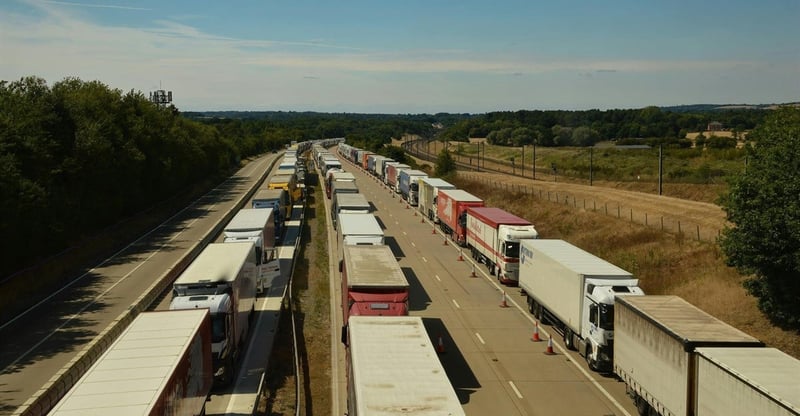
Transnet reports losses of approximately R2.3bn annually on the corridor. Rail covers 690 kilometres, while the competing road route spans 550 kilometres, creating a structural 140-kilometre, or 25% disadvantage for rail.
As improvements along the N3 continue, including the planned De Beers Bypass, the road corridor’s advantage increases further. Freight has steadily migrated to road transport, adding to congestion on the N3 and eroding rail’s financial sustainability.
The result is predictable: a corridor structurally favouring road over rail.
Rising trade and passenger pressures
This imbalance is becoming more serious as South Africa moves toward higher-volume, lower-margin trade flows.
Exports of minerals and agricultural products continue to expand, while declining interest rates are expected to stimulate economic activity and increase imports. A stronger rand has reduced the cost of imported goods and, with the currency recently reaching a three-year high, inbound trade volumes are accelerating.
Passenger vehicle imports alone have risen 28% year-on-year, immediately increasing passenger traffic and heavy vehicle movements along the N3.
Rapid growth in global e-commerce platforms such as Shein, Amazon and Temu will further increase container volumes through Durban as these companies shift more distribution from air to ocean freight.
Without reform, congestion, logistics costs, and safety risks will rise, undermining South Africa’s competitiveness.
Global shifts reshape trade flows
The pressure on the corridor is also being driven by global economic shifts, particularly the severe downturn in China’s property market. The collapse of what was once the world’s largest property boom has wiped out vast amounts of household wealth, forcing China to rely more heavily on manufacturing and exports to sustain economic growth.
For more than two decades, China’s property sector has driven global demand for commodities and construction inputs. As that engine slows, Chinese industry is redirecting output toward export markets.
The result is a surge of competitively priced manufactured goods entering global trade. For South Africa, this means many sectors will increasingly operate in a lower-margin environment, with imports of vehicles, electronics, clothing, appliances, and other consumer goods dominating container flows through Durban.
The implication is clear: South Africa must compete in a high-volume, lower-margin global trading environment. Logistics efficiency is decisive, which is why Trade Route properties such as Port of Gauteng are strategically important. When margins tighten, goods must move faster, cheaper, and with fewer handling steps.
Safety, tourism, and infrastructure pressures
The N3 is not only a freight route but also a vital human corridor connecting Gauteng and KwaZulu-Natal. Heavy reliance on road freight creates three growing risks:
• Safety: High volumes of heavy trucks increase the likelihood of serious accidents and prolonged road closures.• Infrastructure imbalance: The road network carries excessive freight traffic while rail infrastructure remains underutilised and progressively undermaintained.• Congestion: Peak holiday traffic creates severe bottlenecks, discouraging travel and undermining KwaZulu-Natal’s tourism economy.Restoring balance between road and rail is essential.
The cure: rebalancing the corridor
The solution lies in systemic reform combining regulatory change, private investment, and sustainable funding.
A key opportunity arises when the N3 Toll Concession expires in 2029. When the concession was established in 1999, the 10-year government bond stood at 17%. Today, it is about 8%, significantly reducing capital costs.
Upon renewal, toll revenues could partially be redirected to the Transnet Rail Infrastructure Manager (TRIM), creating a structured cross-subsidy for rail and supporting the National Development Plan’s goal of shifting 50% of freight from road to rail.
Reform and investment underway
The Department of Transport’s 2025 Request for Information confirmed that the corridor’s challenges are structural and financial rather than operational.
A major reform is the creation of TRIM, separating infrastructure management from train operations and enabling non-discriminatory open access.Sanral’s budget has already been reduced by about R8 billion this financial year, prompting consideration of tolling mechanisms for heavy freight vehicles.
TRIM is expected to announce 11 selected private bidders in April 2026, signalling the transition toward a competitive multi-operator rail environment.
Transnet will also appoint advisors to prepare a bankable corridor business case, while projects such as the Durban Pier 2 partnership with ICTSI and a proposed 25-year Johannesburg–Durban corridor concession aim to mobilise long-term private capital.
Policy alignment supports change
Government policy now supports these reforms. In the 2026 Budget Speech, the Minister of Finance placed logistics and transport at the centre of economic growth, with public infrastructure spending expected to exceed R1tn over the medium term.
Industry support for the initiative is strong. What remains is implementation.
A national call to action
South Africa’s most important economic corridor must work for both freight and the millions of people who travel it.
If freight continues shifting to road without intervention, congestion will intensify, safety risks will increase, and the imbalance between road and rail will deepen. Tourism and passenger travel between Gauteng and KwaZulu-Natal will suffer.
When the N3 concession expires in 2029, part of the N3TC surplus should be reinvested in rail infrastructure through TRIM.
Doing so would restore balance to the corridor, reduce heavy truck volumes, and secure the long-term sustainability of South Africa’s most important trade route.
The imbalance has been diagnosed.
The correction has begun.
The wheels are turning.
Get new press articles by email
We submit and automate press releases distribution for a range of clients. Our platform brings in automation to 5 social media platforms with engaging hashtags. Our new platform The Pulse, allows premium PR Agencies to have access to our newsletter subscribers.
Latest from
- Canal Plus Shares Slide As MultiChoice Subscriber Decline Triggers Major Turnaround Plan
- Olympic Colour Cafe Redefines Paint Retail With Design Collaboration Coffee And Personalised Décor Planning
- Andre Esterhuizen Stars In Steco Hybrid Craftsman Campaign Showcasing Versatility In Power Tools
- Ingredient Literate Consumers Are Reshaping South Africa’s Skincare Market With Science Led Choices
- Agriculture Drives South Africa’s Economic Growth As GDP Rises In Final Quarter Of 2025
- FlySafair Introduces Temporary Fuel Surcharge As Middle East Tensions Push Oil Prices Higher
- Improved Water Board Performance Fails To Resolve Ongoing Supply Challenges For Communities
- Government Warns Of Rising Silicosis Cases As Focus Expands Beyond South Africa’s Mining Sector
- Toyota Leads Media Visibility As Chery And GWM Rapidly Expand Presence In South Africa’s Auto Market
- WhatsApp Based Research Platform Yazi Raises Funding To Accelerate Product And Market Expansion
- African Energy Chamber Calls For Boycott Of Africa Energies Summit Over Lack Of Black African Leadership
- Biometric SIM Registration Could Help South Africa Curb Billions Lost To Mobile Banking Fraud
- Western Cape Expands Vaccination Drive And Road Checkpoints To Contain Livestock Disease Outbreak
- The Hospital Show Brings Healthcare Leaders Together To Address Quality Innovation And Sector Sustainability
- South African Committees Hear Updates On Mfolozi Dredging Proposal And Foot And Mouth Disease Outbreak
The Pulse Latest Articles
- Byd Powered Car Of The Year Finalist Evaluation With Mobile Phev And Ev Charging (March 6, 2026)
- Strategy Is Easy. Execution Is Everything (March 5, 2026)
- The Paradox Of Leadership: Ntombizone Feni’s First Year As Ceo (March 4, 2026)
- Beyond The Pit: Why Mining Partnerships Are Being Redefined (March 2, 2026)
- A Refreshing Reset For Your Tastebuds (March 2, 2026)