
Malagasy Vanilla expands direct-to-consumer sales to 14 European markets via Temu Local Seller Programme
Written by: BizCommunity Editor Save to Instapaper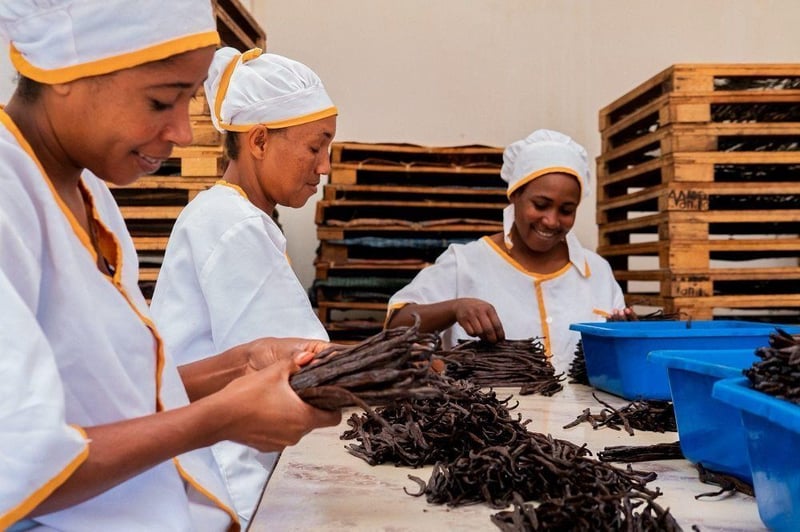
For Malagasy Vanilla, a third-generation family business rooted in Madagascar's world-renowned vanilla industry, that challenge has taken a different turn.
By joining Temu's Local Seller Programme, the company has expanded beyond its traditional wholesale model to sell directly to consumers across 14 European markets, opening a new chapter in its international growth journey.
From wholesale supplier to direct-to-consumer brand
For years, Malagasy Vanilla supplied premium Madagascan vanilla to restaurants, bakeries and food wholesalers across Europe.
While the company had built a strong reputation among professional buyers, selling directly to consumers remained out of reach.
The economics simply didn't work.
For specialty food products like vanilla, shipping costs often matched—or even exceeded—the value of the product itself, making small online orders commercially unviable.
That changed when Malagasy Vanilla joined Temu's Local Seller Programme in November 2025.
The business says its partnership with Belgian postal operator Bnode, facilitated through Temu's logistics network, reduced domestic shipping costs by almost half, creating a viable pathway into direct-to-consumer retail.
Within four months of launching on the platform, the company had quadrupled its sales, with Temu now contributing between 5% and 10% of total revenue.
"Temu opened a new avenue for us," says Belinda Rabenandrasana, co-CEO of Malagasy Vanilla. "We were finally able to explore selling to individuals."
Expanding into 14 European markets
What began as an opportunity to reach Belgian consumers has quickly evolved into a broader European expansion.
Today, Malagasy Vanilla sells directly to customers in 14 European countries, including Germany, France, Spain and Poland.
The company attributes much of that growth to Temu's Local Seller Program, which launched in Europe in 2024 and now operates across more than 30 markets.
The programme connects merchants with a logistics network of more than 150 delivery partners across Europe, including national postal operators such as Bnode in Belgium, La Poste in France and DHL Group in Germany.
Rather than investing in its own fulfilment infrastructure, Malagasy Vanilla has been able to leverage existing logistics capabilities while focusing on product quality and business growth.
"Without Temu and its partnership with Bnode, it would have been very difficult for a small business like ours to start selling directly to consumers," says Rabenandrasana.
"The logistics costs are competitive, the visibility is much stronger, and the support from the seller team has helped us grow with confidence."
Beyond logistics, the platform also assists sellers with cross-border requirements, including registration and payment obligations under the European Union's Extended Producer Responsibility (EPR) regulations.
Three generations of Madagascan vanilla expertise
The business itself is built on generations of experience.
Rabenandrasana's grandfather worked within Madagascar's local vanilla trade before her father expanded operations nationally.
She began developing international markets in 2017, supplying premium Madagascan vanilla to European restaurants, pastry chefs and food wholesalers before establishing operations in Belgium in 2023.
The company continues to work closely with local producers and grower associations across Madagascar, overseeing every stage from cultivation to collection.
Depending on seasonal demand, between 20 and 40 workers manage the six-to-ten-month curing process that transforms green vanilla pods into premium black vanilla.
Operations in Belgium focus on quality control, packaging and shipping, managed by Rabenandrasana and her business partner.
Growing visibility without large marketing budgets
One of the biggest challenges facing niche food brands is gaining visibility without significant advertising expenditure.
Malagasy Vanilla says Temu's product discovery tools and customer review ecosystem have helped address that challenge.
Selling gourmet Madagascan vanilla under its Lavani brand, the company has built a customer satisfaction rating exceeding 99%, allowing positive reviews to drive organic product visibility.
"If the product is good and customers leave strong reviews, visibility can grow naturally," says Rabenandrasana.
"We have been able to get more traffic and increase sales."
Looking ahead
The company's ambitions continue to grow.
Plans are underway to establish a warehouse in France to support increasing European demand, while its Belgian operation is developing new value-added products, including vanilla extract and vanilla sugar.
Beyond commercial expansion, Malagasy Vanilla is also exploring a social impact initiative aimed at supporting grower communities in Madagascar.
For Rabenandrasana, the business reflects a journey that has evolved across three generations.
"My grandfather worked locally, my father expanded nationally, and now we are building internationally," she says.
As more African businesses seek direct access to global consumers, Malagasy Vanilla's experience demonstrates how digital marketplaces and integrated logistics networks can help bridge the gap between local producers and international retail markets.
Get new press articles by email
The Pulse Latest Articles
- The Western Cape Government Partners With Finfind (August 7, 2026)
- Women Are Invited To Learn What No One Ever Taught Them (August 7, 2026)
- Gloot Partners With Rachel Kolisi's Falling Forward Roadshow (August 5, 2026)
- National Play Day Shines A Spotlight On South Africa's Childhood Play Crisis (August 5, 2026)
- Celebrating The Women Building Futures On Behalf Of Clive Robinson, Md Of Tutor Doctor Sa (August 5, 2026)