
Protecting Biodiversity Key To Securing Clean Air, Water, Medicine And Food For Future Generations
Written by: BizCommunity Editor Save to Instapaper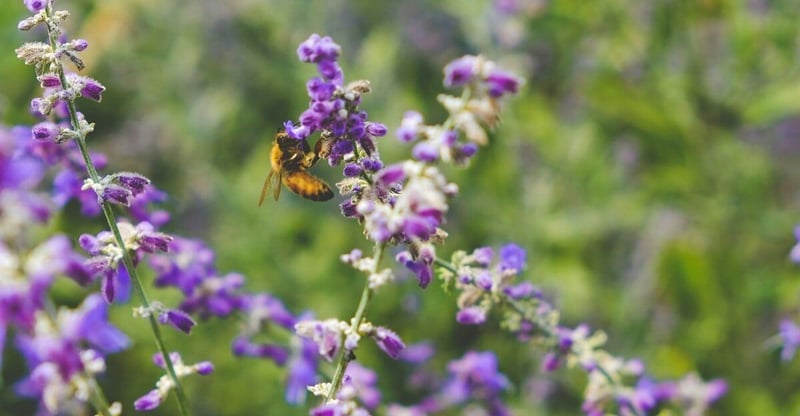
Image credit: Scotty Turner on Unsplash
Biodiversity – the foundation of life on Earth, providing essential services such as clean air, fresh water, natural medicine and food security – is declining at an alarming rate.
According to the World Health Organisation (WHO), species extinctions are currently 10 – 100 times higher than the natural baseline, and this is largely due to human activities such as deforestation, habitat destruction and climate change.
Why biodiversity matters
Biodiversity is not just about saving species – it is about protecting ecosystems that support life, livelihoods, and long-term development.
Over half of the world’s GDP depends on nature, and industries such as agriculture, fisheries, construction, tourism, and pharmaceuticals rely on healthy ecosystems.
For example, forests absorb over 2.6 billion tonnes of carbon dioxide (CO²) every year, contributing to climate regulation and reducing diseases linked to pollution. Habitat destruction and pollution is pushing over one million species toward extinction.
Conservation efforts require a significant amount of money, yet there isn’t enough funding to support as the world is investing far too little in protecting its natural habitat.
Protecting and restoring biodiversity effectively would cost around $824bn per year. However, only $143bn dollars is currently being spent – leaving a huge funding gap, while businesses continue to exploit natural resources without reinvesting in the recovery of natural resources.
Aligning businesses with biodiversity
Harmony with nature is not only possible – it is essential for a sustainable future. As such, biodiversity protection should be embedded into every business’s core operations, where business growth and environmental restoration work hand-in-hand.
Furthermore, true harmony is maintained with understanding. This is why businesses and industries need to prioritise biodiversity investment at an operational level. This can include:
- Developing biodiversity hotspots: Transforming underused spaces into biodiversity-rich environments improves local ecology and strengthens environmental stewardship. Establishing dedicated biodiversity zones can help support pollinators and promote ecosystem recovery.
- Restoring wetland ecosystems: Wetlands are crucial for purifying water, storing carbon and supporting species – yet they remain the most threatened ecosystems. Businesses can play a role in their recovery by investing in rehabilitation initiatives that protect these critical natural assets.
- Providing safe habitats for wildlife: Incorporating wildlife friendly infrastructure into business environments is becoming a standard of responsible development. Installing bat boxes, growing plants that attract pollinators or preserving green corridors can support biodiversity while peacefully co-existing with industrial activities.
- Sustainable waste management practices: is important for businesses committed to sustainability. By reducing landfill resilience, improving recycling initiatives and recovering valuable resources, organisations can minimise their environmental footprint while contributing to broader conservation and climate goals.
By working in harmony with nature – not against it – we can create a world where both people and the planet thrive. Let’s recommit to building a more sustainable, biodiverse, and balanced world.
Get new press articles by email
We submit and automate press releases distribution for a range of clients. Our platform brings in automation to 5 social media platforms with engaging hashtags. Our new platform The Pulse, allows premium PR Agencies to have access to our newsletter subscribers.
Latest from
- 7 Business Trends Your SME Can Leverage In 2026
- Sadilar Amplifies Visibility And Impact During Conference Season
- Future-ready Logistics- 5 Shifts TO Watch In 2026 (SUB-saharan Africa)
- Dunlop Urges Motorists To Prioritise Tyre Safety On The Busy Joburg To Cape Town Festive Route
- Poverty Trends Report Shows National Progress But Flags Growing Challenges In Gauteng
- SDG Challenge SA 2025 Highlights The Power Of Youth Innovation In Shaping A Sustainable Future
- Experienced Industry Leader Pauli Van Dyk Named Dean Of AFDA’s Upcoming Hatfield Campus
- South Africans Keep Tourism Alive As Homegrown Travel And Local Spending Rise
- Pretoria Student Wins Global Excel Esports Competition
- AfDB Steps Up Support For Somalia With $76m Investment In Roads And Regional Integration
- Corporate Law Experts Warn Directors Of Serious Consequences For Improper Transaction Approval
- New 3% Inflation Target Begins To Shift Expectations In South African Economy
- Retail As A Development Catalyst Drives New Africa Developments’ Inclusive Growth Strategy
- Collaborative SEF Model Shows How Civil Society And State Can Rebuild Economic Trust
- Shumani Accelerates Industrial Growth With Bheka Forklifts And New Equipment Plans For 2026
The Pulse Latest Articles
- Education Is The Frontline Of Inequality, Business Must Show Up (December 11, 2025)
- When The Purple Profile Pictures Fade, The Real Work Begins (December 11, 2025)
- Dear Santa, Please Skip The Socks This Year (December 10, 2025)
- Brandtech+ Has 100 Global Creative Roles For South African Talent (December 9, 2025)
- The Woman Behind Bertie: Michelle’s Journey To Cape Town’s Beloved Mobile Café (December 9, 2025)