
As the world’s second-largest cork closure manufacturer, Diam Bouchage has built its success and reputation on innovation and patented technologies – including the celebrated Diamant process, which produces taint-free cork closures.
WineLand asked Eleonor Visser, oenologist and consultant for DIAM in South Africa, about the recent advancements and future of technical cork closures.
Eleanor obtained a BSc in Agriculture (Viticulture and Oenology) from Stellenbosch University and gained international winemaking experience at Quail Ridge in Napa Valley, California, and Hazelgrove in McLaren Vale, Australia, before starting her winemaking career in South Africa with positions at Thelema, Spier, and Rudera. She joined Diam in 2018.
Eleonor Visser, DIAM oenologist and consultant.
What percentage of your production now goes to technical cork versus natural cork?
Since 2004, DIAM has decided to switch all production to DIAMANT technology and has stopped producing natural cork.
What are the most significant technical developments in composite cork technology and manufacturing during this time?
DIAMANT technology and the use of supercritical CO2 with differentiated pressure has been a disruptive innovation in a cork market that was in great difficulty 20 years ago. Ensuring perfect homogeneity, organoleptic neutrality and control of permeability did not exist at that time with cork stoppers. And this technology remains the most efficient today.
What drives greater adoption of technical corks for premium and high-end wines among producers?
Premium and high-end producers still prefer the use of cork stoppers for iconic wines, but can no longer afford the defects associated with punched corks. They come to DIAM for an oenological cork closure that respects wine’s aromatic profile, ensures perfect consistency from one bottle to another, prevents leaking, seeping, and dust issues, preserves free SO2, and avoids primitive oxidation.
Which of your products address this high-end market, and how are they unique?
We offer DIAM 5, DIAM 10 and DIAM 30 and Origine by DIAM (bio-based) for still wines, MYTIK DIAM 5 and MYTIK DIAM 10 for sparkling wines, and SETOP Element for spirits.
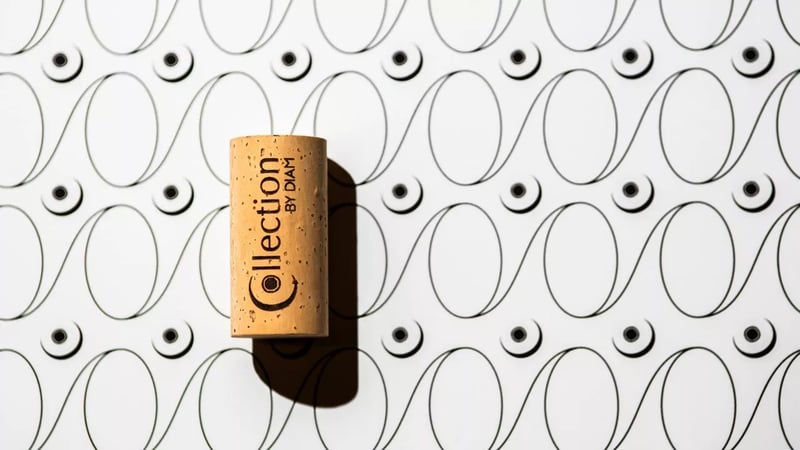
Oenological corks have become the new tradition and iconic wine producers are now using DIAM to protect their wines. Still, some winemakers prefer the look of a punched cork, that is why we developed Collection by DIAM, which offers all the advantages of DIAM but with a traditional aesthetic.
What does testing show about the aging performance of technical corks?
Over the last 20 years and thousands of tastings with our clients and oenological experts, DIAM emphasised that oenological corks prevent oxidation by keeping 30% more free SO2 than traditional punched corks or synthetic stoppers.
A recent 10-year study managed by AWRI in Australia showcased that after long storage, DIAM 30 has yielded the best results in terms of permeability control and organoleptic neutrality.
Get new press articles by email
We submit and automate press releases distribution for a range of clients. Our platform brings in automation to 5 social media platforms with engaging hashtags. Our new platform The Pulse, allows premium PR Agencies to have access to our newsletter subscribers.
Latest from
- South Africa Launches Comprehensive AI Policy Built On Ethics Innovation And Inclusive Development
- White Star Launches Real Homemakers Initiative To Celebrate Caregivers And Community Champions
- Angola Oil And Gas Conference Returns As Sector Enters New Phase Of Growth And Investment
- Investment Conference Delivers Record Commitments To Fuel Growth Jobs And Economic Recovery
- Brazil Africa Energy Nexus Emerges As Key Driver Of Offshore Investment And Project Delivery
- Standard Bank And National Arts Festival Announce 2026 Young Artist Award Winners
- Air Cargo Demand Climbs Sharply In February As Industry Navigates Fuel Costs And Conflict Risks
- CFAO South Africa Reports Resilient Performance Through Diversification And Cost Focused Strategy
- Caribbean Energy Week Brings Leaders Together To Advance Oil Projects Renewables And Regional Growth
- Pantry Introduces Enhanced Pop Up Experience In Sandton With Focus On Quality And Convenience
- TotalEnergies Invests In West Coast Entrepreneurs Through Training Mentorship And Enterprise Support
- GIBS Highlights Importance Of Human Centred Leadership In Times Of Uncertainty And Change
- Sars Delivers Above Target Revenue Performance Amid Tough Economic And Global Conditions
- Industry Warns Of Growing Illicit Alcohol Trade Amid Rising Costs And Easter Demand Surge
- Khoi Tech Leads Innovation In Africa With Locally Developed Wearables And Integrated Health Platforms
The Pulse Latest Articles
- Bright Beginnings Preschool Celebrates Linden Campus (April 2, 2026)
- Female Founders Announce Launch Of South Africa’s Premium Brand Advisory Firm: Aura (April 2, 2026)
- Ai Fraud Defence Launches In South Africa As Deepfakes Hit Financial Institutions (April 1, 2026)
- Influencers Share Their Favourite Holiday Games (March 26, 2026)
- Procurement Can Buy Pr. It Cannot Buy Judgement. (March 25, 2026)