
When Wi Fi Turns from Convenience to Surveillance and Raises Concerns About Privacy and Daily Life
Written by: BizCommunity Editor Save to Instapaper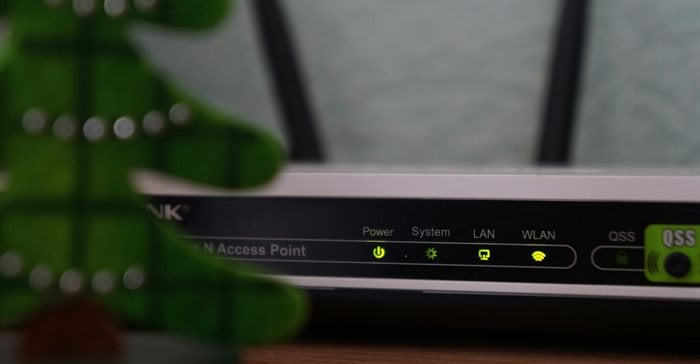
It can also detect when your teenager is sneaking out at night and monitor your elderly parent's daily routine from across the country. Most unsettling of all, it can do this through walls, in complete darkness, and without your knowledge.
Welcome to WiFi sensing – a technology that's about to transform every wireless device in your home into a sophisticated surveillance system.
From communication to surveillance
Twenty-five years ago, Steve Jobs waved an Apple laptop through a hula hoop while streaming a film wirelessly during a presentation, and just like that, WiFi was ‘born’. Now, those same invisible signals are about to become invisible eyes, watching our every move.
The technology builds on a simple principle: WiFi signals bounce around rooms like an invisible octopus with tentacles reaching everywhere. When you walk through your living room, you're disrupting these signals in unique ways.
Advanced algorithms analyse these disruptions to create a representation of your movements, turning your home's WiFi into a motion detection system.
The same distorted channel state information read from the WiFi router has also been integrated into Facebook’s OpenSource DensePose software by certain universities to create estimates of human pose in a wireframe-like image.
But this isn't just about knowing someone's in the room. Technology developed at MIT in the United States monitors breathing patterns by detecting tiny chest movements, recognises specific gestures for smart home control, and even distinguishes between different people based on their gait and body shape.
The business case for digital snooping
The wireless industry is salivating over the commercial possibilities. IEEE 802.11bf – the specification making WiFi sensing ubiquitous – requires no additional hardware, where the sensing software is loaded into the router via the OpenSync platform and managed in the cloud.
Your existing router, smart TV, or even your WiFi-enabled kettle can become sensing nodes in an invisible surveillance network.
ISPs will be able to simply push a software update and offer premium "safety and security" services. This could then enable ‘value-add’ services like monitoring elderly relatives for falls, child safety monitoring and home security motion detection.
It's brilliant: take infrastructure customers already paid for, add AI magic in the cloud, and charge monthly fees for services costing virtually nothing to deliver.
The privacy nightmare
WiFi 7's rollout is laying the groundwork for this sensing revolution.
Its party trick is using all frequency bands simultaneously rather than hopping between them – like having multiple conversations at once instead of taking turns. It can even perform "channel puncturing," identifying interference and working around it.
This will give far superior sensing, but the reality is that basic WiFi sensing can already run on WiFi 5.
These improvements create the high-quality, low-latency connections that make real-time sensing applications possible. When your router processes signals from multiple bands simultaneously with minimal delay, it becomes far more capable of detecting subtle environmental changes.
But here's where things get creepy. This technology works through walls. Your neighbour's WiFi signals are already penetrating your home, bouncing around your bedroom, and returning with information about your activities.
With WiFi sensing enabled, they could potentially monitor your movements, sleep patterns, even your breathing.
What's particularly unsettling is how this democratises surveillance capabilities once exclusive to law enforcement. Previously, seeing through walls required expensive thermal imaging or ground-penetrating radar.
Now, any tech-savvy individual with a standard router could potentially monitor their neighbours. For this reason the commercial solutions available today only offer basic motion detection and not imaging .
Consider the data this could collect: when you wake up, bathroom duration, exercise habits, guest visits, work schedules. This creates a comprehensive profile of your daily life, invaluable to marketers, insurers, or anyone willing to pay.
The implications for domestic abuse, stalking, or voyeurism are chilling.
The road ahead
The IEEE 802.11bf standard will be finalised imminently, with mass market adoption following soon after. Unlike previous WiFi upgrades requiring new hardware, sensing capabilities can be added through software updates to OpenSync-enabled routers.
This means silent deployment without consumers realising their devices gained surveillance capabilities.
The industry is positioning WiFi sensing as safety and convenience technology – helping elderly people live independently, protecting children, and providing family peace of mind. These are compelling use cases many will genuinely value.
But we're entering uncharted territory regarding digital privacy and consent. When your internet connection monitors breathing, tracks movements, and potentially identifies activities, the line between helpful technology and invasive surveillance blurs.
As we stand on the brink of ambient surveillance, one thing is certain: the WiFi router humming in your living room is about to become far more than an internet gateway. The question is: who will be watching?
Get new press articles by email
We submit and automate press releases distribution for a range of clients. Our platform brings in automation to 5 social media platforms with engaging hashtags. Our new platform The Pulse, allows premium PR Agencies to have access to our newsletter subscribers.
Latest from
- 7 Business Trends Your SME Can Leverage In 2026
- Sadilar Amplifies Visibility And Impact During Conference Season
- Future-ready Logistics- 5 Shifts TO Watch In 2026 (SUB-saharan Africa)
- Dunlop Urges Motorists To Prioritise Tyre Safety On The Busy Joburg To Cape Town Festive Route
- Poverty Trends Report Shows National Progress But Flags Growing Challenges In Gauteng
- SDG Challenge SA 2025 Highlights The Power Of Youth Innovation In Shaping A Sustainable Future
- Experienced Industry Leader Pauli Van Dyk Named Dean Of AFDA’s Upcoming Hatfield Campus
- South Africans Keep Tourism Alive As Homegrown Travel And Local Spending Rise
- Pretoria Student Wins Global Excel Esports Competition
- AfDB Steps Up Support For Somalia With $76m Investment In Roads And Regional Integration
- Corporate Law Experts Warn Directors Of Serious Consequences For Improper Transaction Approval
- New 3% Inflation Target Begins To Shift Expectations In South African Economy
- Retail As A Development Catalyst Drives New Africa Developments’ Inclusive Growth Strategy
- Collaborative SEF Model Shows How Civil Society And State Can Rebuild Economic Trust
- Shumani Accelerates Industrial Growth With Bheka Forklifts And New Equipment Plans For 2026
The Pulse Latest Articles
- Education Is The Frontline Of Inequality, Business Must Show Up (December 11, 2025)
- When The Purple Profile Pictures Fade, The Real Work Begins (December 11, 2025)
- Dear Santa, Please Skip The Socks This Year (December 10, 2025)
- Brandtech+ Has 100 Global Creative Roles For South African Talent (December 9, 2025)
- The Woman Behind Bertie: Michelle’s Journey To Cape Town’s Beloved Mobile Café (December 9, 2025)