
Are We Overscheduling Our Children?
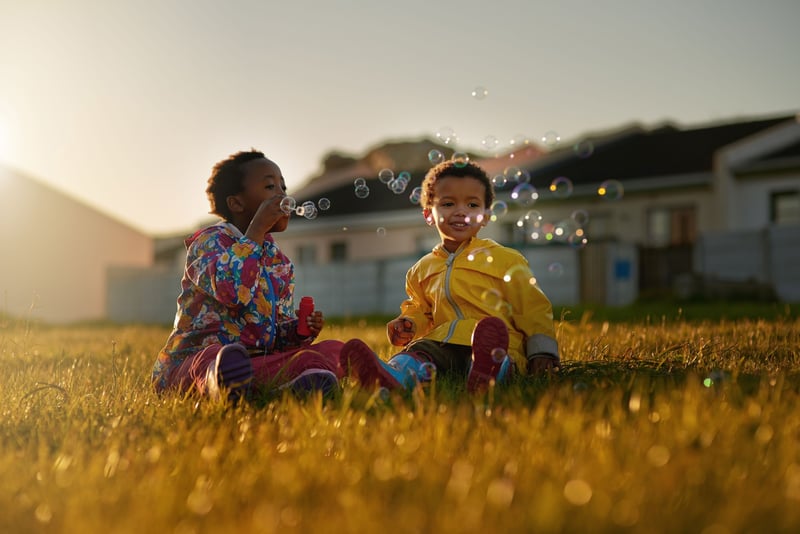
Finding the Balance Between Activities and Free Play – a reminder from Dibber South Africa
From ballet to ball skills, phonics to piano, many South African children today lead lives as tightly scheduled as their parents. While every activity may have merit, too many structured commitments can crowd out the simple, sacred space of childhood: free play.
“In our pursuit of giving children the best start, we sometimes forget that rest, imagination, and unstructured time are just as vital as academics or sport,” says Ursula Assis, Country Director of Dibber South Africa. “Free play is not wasted time. It’s how children develop emotional strength, social intelligence, and a sense of self.”
The Rush of Childhood Today
Across Dibber campuses, educators observe the increasing pressure children face. South African parents – many juggling careers, households, and aspirations – enrol children in numerous enrichment activities with the best of intentions. But when every moment is programmed, children may feel overwhelmed rather than inspired.
At Dibber, play isn’t seen as a break from learning – it is learning. And not just in the classroom. Children need time to imagine, explore, and be fully themselves without adult instruction or end goals. That’s where free play holds its quiet power.
What Is Free Play – and Why Does It Matter?
Free play is child-led, open-ended, and spontaneous. It’s found in games invented on the fly, make-believe shops, sandcastles in the garden, and treehouse adventures. With no adult-imposed structure, free play fosters independence, resilience, and creativity.
“When a child builds a fort with couch cushions or becomes a superhero for the day, they’re not just playing – they’re solving problems, expressing feelings, and stretching their cognitive muscles,” explains Assis. “It’s a vital ingredient in holistic development.”
Balancing Structure with Breathing Room
Of course, structured activities have their place. They teach discipline, coordination, and commitment. But overscheduling can lead to fatigue, anxiety, or even disinterest.
“Balance is key,” says Assis. “Children need time to reflect, to follow their own curiosity, and to rest. That’s when deeper learning takes place.”
Dibber educators often observe how children return from free play with better focus, improved social cooperation, and renewed energy. “We don’t need to cancel structure – just make space for childhood too,” she adds.
The Power of Play in South Africa’s Diverse Communities
In a country as vibrant and multicultural as South Africa, free play also becomes a bridge between cultures and backgrounds. On playgrounds and parks, children connect beyond language, using games and laughter to build empathy and shared understanding.
Whether climbing trees in KwaZulu-Natal, riding scooters in the Western Cape, or building with blocks in Gauteng, children across the country benefit from time to explore their environment freely and safely.
Simple Ways to Make Room for Free Play
- Keep some afternoons open – Not every hour needs an activity.
- Create safe spaces – A park, garden, or corner of the living room can become a wonderland.
- Join in, but follow their lead – Adults can be present without taking over.
- Limit screen time – True creativity often begins where the screen ends.
- Celebrate imagination – Let children invent games, costumes, and worlds – and let them be the guide.
Let’s Bring Childhood Back into Focus
At Dibber, childhood is honoured as a phase of life with its own value – not just a preparation for what’s to come. That’s why Dibber centres prioritise play-based learning, not just as a teaching tool but as a way of respecting each child’s inner world.
“Free play gives children the room to explore who they are and where they fit in the world,” says Assis. “It fosters the kind of confidence, emotional intelligence, and joy that no class can replicate.”
As the school year winds down and families look ahead to holidays or the next academic chapter, it’s the perfect time to reassess the calendar – and intentionally leave space for daydreams, backyard adventures, and moments of spontaneous joy.
Because sometimes, the best thing we can schedule for our children… is nothing at all.
Issued By: The Lime Envelope
On Behalf Of: Dibber International Preschools
For Media Information: Kerry Oliver
Telephone: 082-927-9470
E-mail: This email address is being protected from spambots. You need JavaScript enabled to view it.
About Dibber International Preschools:
Dibber International Preschools is a global leader in early childhood education, with a commitment to providing high-quality preschool experiences that foster children's holistic development - with over six hundred high-quality preschools across ten countries and with a focus on the Dibber Heart Culture and customised learning approaches, Dibber aims to nurture the potential of every child, ensuring they receive the best start in their educational journey.
Release information
Issued on behalf of
Dibber International Preschools
Media contact
The Lime Envelope
Kayla Martin