
7 Common Domain Name Scams and How to Avoid Them
Written by: Domains.co.za Johannesburg Save to Instapaper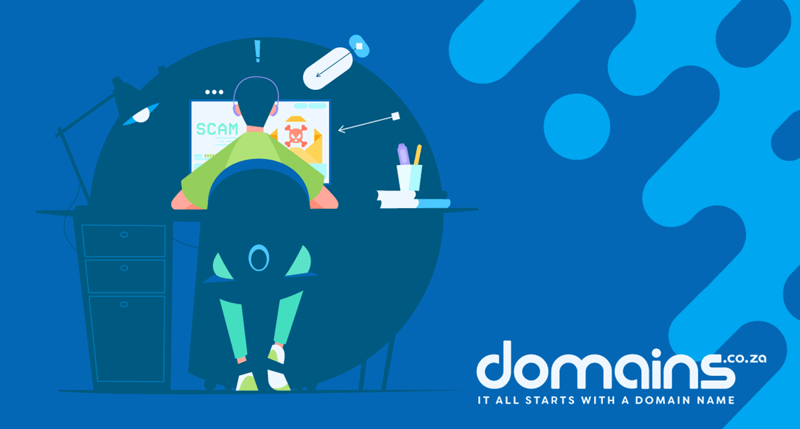
Domain name scams are increasing worldwide, and SMEs are among the biggest targets. Criminals know just how important a domain name is to a business’s identity. A recent BlueVoyant report revealed that lookalike domain registrations have picked up from around 150 per month in 2024 to roughly 450 per month in 2025. It’s a strong reminder that domain security can no longer be an afterthought.
A domain name scam is a deceptive tactic aimed at getting business owners to pay for fake services, share sensitive login details, or unknowingly hand over control of their domain. These scams often involve impersonating legitimate companies, offering fraudulent domain-related services, or setting up copycat websites meant to harvest customers’ personal information.
Any SME can be targeted, which is why knowing what these scams look like and how to avoid them is essential.
Here are the most common ones to watch out for:
1. Lookalike Domains (Domain Spoofing)
This is when cybercriminals register domains that closely imitate well-known brands to trick people into visiting fake sites or handing over personal details. For example, someone could register NikeSA.co.za to send fake promotional emails that direct unsuspecting shoppers to a counterfeit store. Even a tiny spelling tweak can make a scam look legitimate, so always double-check URLs before clicking.
2. Fake Domain Renewal Notices
Scammers often gather domain owner information through publicly available WHOIS data, a tactic known as domain scraping. They use these details to send alarming emails saying your domain is about to expire, a payment failed, or your account will be suspended. These messages aim to steal passwords, capture credit card information, or convince you to pay for a renewal that isn’t real.
3. “Authorised” Domain Transfers (Domain Slamming)
When your domain account isn’t protected properly, criminals can transfer it to another provider with worrying ease. It usually begins with an email pretending to be from your registrar or hosting provider. The link claims to confirm your renewal, but the fine print authorises a domain transfer instead. By going through the motions, you unknowingly authorise the transfer, which can cause financial loss, website downtime, and a damaged reputation with your customers.
4. Domain Hijacking
This happens when someone gains access to your domain account through phishing or weak security practices. Once they have access, they can take ownership of your domain, change DNS records, redirect your website, block your email access, post harmful content, or even sell the domain to someone else.
5. Search Engine or Directory Listing Scams
Some scammers offer “search engine submission” services, claiming they’ll boost your rankings by manually listing your website across various directories. They charge high fees for something that provides no meaningful benefit. Remember: Search engines automatically index your site, so there’s no need to pay anyone for this.
6. Alternative Domain Scams
You may receive an email warning that another company is about to register a domain name similar to your own. The message urges you to act fast and to “secure” the name through them at an inflated price. These emails are designed to create panic and pressure you into paying for a domain you don’t need. 7. Domain Purchase and Appraisal Scams
Owners of valuable or highly brandable domains are often targeted with offers from so-called interested buyers. The catch? The “buyer” insists you must first purchase an appraisal from a specific service provider. Once you pay, the buyer vanishes.
How To Protect Your Domain:
- Register and manage your domain through a reputable provider like Domains.co.za, which offers secure platforms and dependable support.
- Enable Domain Transfer Lock to block unauthorised transfers.
- Activate Two-Factor Authentication for stronger account security.
- Turn on Auto Renewal to avoid falling for fake renewal reminders.
- Always check email sender addresses and links before responding. Look for spelling errors, swapped characters, or suspicious URLs.
- Use WHOIS Privacy to keep your personal details hidden from public records.
- Ensure your team knows how to recognise the common warning signs of a scam.
At Domains.co.za, domain safety is a top priority. Features like Domain Transfer Lock, WHOIS Privacy, Two-Factor Authentication, automatic renewals, and multi-year registration options are all designed to keep your domain name as safe as possible.
Press Release Submitted By
- Agency/PR Company: Domains.co.za
- Contact person: Delia Fitzgerald
- Contact #: 0116409700
- Website
Get new press articles by email
Domains.co.za is a domain name Registrar and hosting provider in South Africa. We are a division of DiaMatrix, which has been in business since 2001. Over the years we have continually strived to maintain our best in the industry by providing the best professional online products at affordable prices, superior service, and skilled support. We endeavour to continually revolutionise our product... Read More
Latest from
- Domains.co.za Rolls Out Domain Protection to Deliver Enhanced Security, Privacy and Performance
- Domains.co.za Launches South Africa’s Own Smart Link in Bio Tool
- 7 Business Trends Your SME Can Benefit From In The Year Ahead
- 2025 Domain Name Statistics & Why .INFO Is a Great Choice
- 7 Ways to Get Your Website Black Friday-Ready
- Get A .TECH Domain Name & Propel Your Tech Brand
- Why Online Customer Reviews Should Matter To Your SME
- Domains.co.za Leads the Way with Free Domain Transfer Lock for .co.za Domains
- Women’s Month - How to become a significant entrepreneur
- Best Hosting in South Africa - 10 Reasons to choose Domains.co.za
- 4 of the Best Website Ideas for a .love Domain Name
- Small Business Tips - 3 Reasons to invest in the upskilling of your employees
- Website Metrics - What to track, Why they matter & How to fix them?
- From Hobby to Small Business in 5 Steps
- Four Cybercrime Trends that every South African must be aware of
The Pulse Latest Articles
- Sotru Launches To Stop Supplier Fraud At The Moment Of Payment (June 23, 2026)
- The Death Of The Dinner Party? Why South Africans Are Choosing Convenience Over Traditional Entertaining (June 23, 2026)
- Wildbeest Media Launches 2026 Tourism Marketing Campaign Service For South African Travel Brands (June 22, 2026)
- Opinion Piece: The Chair Is Not The Person: A Ceo’s Hardest Leadership Lesson (June 22, 2026)
- Pura And Soweto Cyclists Celebrate Youth Day 50 Years After The 1976 Uprising (15) (June 18, 2026)