
Bridging the Housing Gap – Are Modular Homes the Solution?
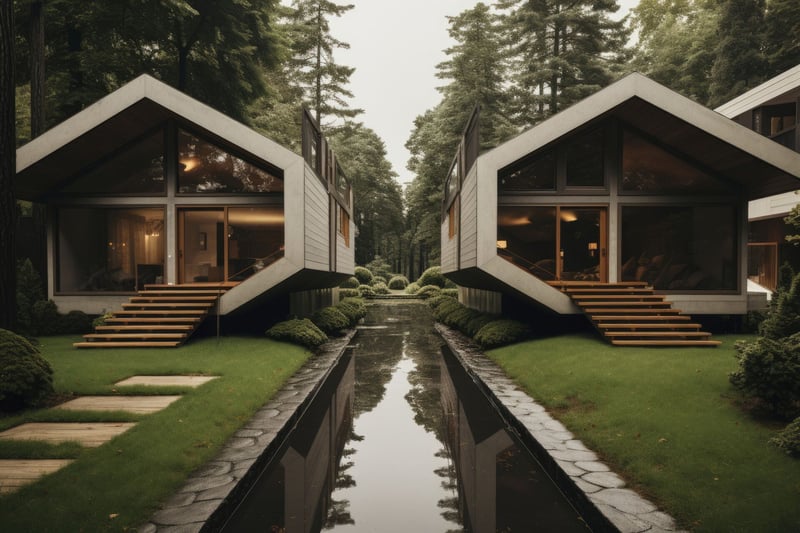
Once considered an unconventional and niche alternative to traditional housing, modular homes have come a long way in recent years and are now regarded by many as a viable option in the traditional property market.
“Modular homes are not to be confused with the original mobile home because, while both are prefabricated, modern modular homes are designed to meet the same building codes and standards as traditional houses, ensuring durability, safety, and long-term value,” says Cobus Odendaal, CEO of Lew Geffen Sotheby’s International Realty in Johannesburg and Randburg.
“And, as housing demands and technology advances continue to grow and evolve, we’re starting to see modular homes redefining the way we think about residential construction and, as a result, these homes now have real value in the marketplace.”
Elon Musk, already known for disrupting industries, has now entered the modular housing market with Tesla homes. Designed to embody sustainability, innovation, and minimalism, these prefabricated homes are part of Musk’s vision to make sustainable living accessible.
“Tesla’s initial offering in the modular housing market is a small, energy-efficient home equipped with solar panels and a Powerwall for energy storage. This design promotes self-sufficiency and reduces reliance on traditional energy grids.
“These pioneering homes are built using eco-friendly materials and designed to maximise energy efficiency and the integration of Tesla’s renewable energy solutions not only makes these homes ideal for environmentally conscious buyers, it paves the way for a whole new approach to how we live and build.”
What Are Modular Homes?
Odendaal explains: “Unlike traditional homes built entirely on-site, modular homes are constructed in a controlled factory environment where individual modules are fabricated with precision, transported to the building site, and assembled like giant building blocks.”
He cites the following benefits of these homes over traditional construction:
Affordability: Modular homes are usually more cost-effective than traditional housing and in South Africa, where more and more people are being priced out of the housing market, this is a critical factor.
Factory construction reduces labour costs, minimises material waste, and shortens the construction timeline and these savings make modular homes an attractive option for first-time buyers and those looking for affordable luxury.
Customisability: Modern modular homes offer a high degree of customisation. Buyers can choose from a variety of layouts, finishes, and features to create a home that suits their lifestyle and aesthetic preferences.
Sustainability: Environmental concerns are driving the popularity of modular construction. Factories optimise material usage, reducing waste and many modular homes incorporate eco-friendly materials, energy-efficient appliances, and renewable energy systems like solar panels.
Speed of Construction: The timeline for building a modular home is significantly shorter than that of traditional homes. While a standard home might take several months—or even years—to complete, a modular home can be built in weeks. This efficiency is particularly valuable in areas with urgent housing needs.
Consistent Quality: Factory-controlled construction ensures each module is built to exact specifications, reducing the likelihood of errors or defects. This level of precision often results in a home that is structurally superior to one built on-site.
“These homes truly are a sign of our times,” notes Odendaal, adding that they have developed in response to the following emerging global social and economic needs and priorities.
- Urban Housing Challenges
As cities face housing shortages and rising real estate prices, modular homes offer a practical solution. They can be built quickly and affordably, providing high-quality housing for urban populations. - Flexibility for Modern Living
The adaptability of modular homes appeals to modern homeowners. They can be expanded or modified over time, making them suitable for growing families or changing lifestyles. - Focus on Sustainability
Eco-conscious consumers are drawn to modular homes for their reduced environmental impact. With energy-efficient designs and sustainable building practices, these homes align with the values of buyers seeking to minimise their carbon footprint. - Remote Work and Relocation Trends
The rise of remote work has shifted housing preferences. Many buyers now seek affordable, customisable homes in suburban or rural areas, and modular construction meets this demand perfectly. - Technological Advancements
Innovations in materials, design, and construction technology have elevated modular homes from basic structures to sophisticated living spaces. This technological evolution has changed perceptions and increased acceptance of modular housing.
“Modular homes have come a long way from their humble beginnings, evolving into a versatile and sustainable solution for modern living.
“Their affordability, customisation options, and reduced environmental impact make them an appealing choice for a wide range of buyers and advances in technology, from smart home systems to renewable energy integration, have further enhanced their appeal, making modular homes a viable alternative to traditional housing.
“And, as demand continues to rise, modular homes are poised to play a pivotal role in addressing global housing challenges while delivering on the promise of innovation and sustainability.”
Release information
Issued on behalf of
Lew Geffen Sotheby's International Realty
Media contact
Bartlett Communications
Tracy Bartlett