
Protecting Eyes on the Job with Emergency Eye Wash Stations
Written by: Josh Maraney Save to Instapaper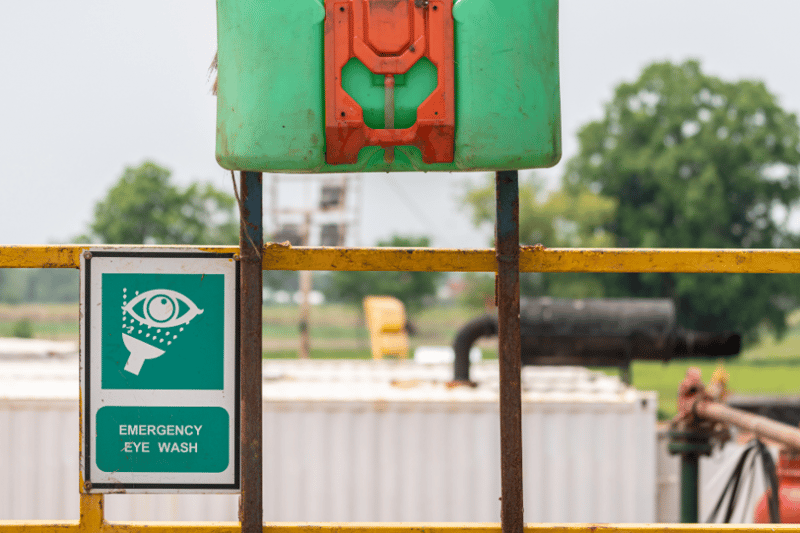
Workplaces where people handle chemicals or fine particles need ways to protect their eyes from harm. Accidents can happen when a splash or dust gets in the eye. A quick response can keep someone safe and avoid lasting damage.
Why Quick Response Matters
When a foreign substance enters the eye, every second counts. Rinsing the eye right away can flush out the irritant before it causes serious harm. That is why many sites make sure they have dedicated eye wash stations within easy reach.
Types of Emergency Rinse Points
There are bench‑mounted units that fit on a workbench or lab counter. These allow someone to rinse while seated or standing without moving far. Wall‑mounted models attach to a fixed point and offer a clear stream of water. For outdoor or mobile work areas, freestanding stations with their own water tank or a hose connection are available. When more wash points are needed, several units can link together so each spot has water on demand. Choosing the right style depends on the work and how staff move around.
Where to Place Eye Safety Equipment
Install wash units as close as possible to where spills or splashes might occur. For example, place one next to mixing tanks or near grinding benches. In dusty areas, put a unit near entry and exit points so someone can rinse before leaving. In locations with strong chemicals, keep the station close to drains or wash areas but on a separate water circuit. This ensures the rinse water is clean and safe to use.
Keeping Equipment Ready
A safe unit only protects if it works every time. Inspect each station monthly to confirm water flows without pause. Check that spray heads stay clean and valves open easily. If a station has its own tank, test water levels and refill when needed. Replace any parts that look worn or fail the flow test. Keep a log of each check to track maintenance dates and repairs.
Training Staff on Simple Eye Care
Everyone should know how to use an emergency rinse point. A quick drill can make a big difference in a real situation. Show staff how to open the valve, lean in to rinse the eye, and hold the eyelids apart. Stress the need to rinse for at least 15 minutes, moving the eye in all directions so all areas get cleaned. After rinsing, seek medical help right away.
When More is Needed
Some situations call for more than eye rinsing. Certain units include a face wash attachment or a full‑body spray to handle skin or clothing contamination. Others offer a drench hose with extra reach for spots farther from the main unit. In large labs or workshops, this extra reach can save precious seconds and keep people from walking too far before starting to rinse.
What Makes a Good Station
A reliable unit should deliver a steady, gentle stream that won’t harm the eye. Flow rates must meet safety standards so debris and chemicals wash away effectively. The valve or lever should be easy to locate and use, even in low light or by touch alone. Clear signage must mark each station and stay visible despite clutter. Keep the floor around the unit dry to prevent slips.
Planning for Emergencies
Every site should include rinse points in its emergency plan. Maps placed in staff areas can show where each station is located. Run drills during slow periods so everyone knows what to do without pressure. Review and update the plan once a year or after any eye‑related incident, and adjust station locations as the workspace changes.
Combining Safety Measures
Eye wash stations help when accidents happen, but they work best alongside other precautions. Wear properly rated eye protection when handling chemicals or flying particles. Goggles or face shields can block most hazards before they reach the station. Clean up spills promptly and store powders in sealed containers. Together, these steps greatly lower the chance of needing an emergency rinse.
Having reliable emergency wash points on hand protects sight and speeds care. Keeping gear tested and staff trained ensures the right actions happen fast. If you work with any splashes, dust or chemicals, plan for at least one eye wash station close to each hazard. A small investment in safety equipment and training can mean the difference between a quick recovery and lasting injury.
Submitted on behalf of
- Company: Afrisupply
- Contact #: 0828881687
- Website
Press Release Submitted By
- Agency/PR Company: Top click
- Contact person: Josh Maraney
- Website
Get new press articles by email
Top Click is one of South Africa’s leading full-service digital marketing agencies. Our custom-built, cutting-edge solutions are targeted to help you attract customers, convert leads and grow your business. From SEO and Google Ads to social media marketing and digital design, our measurable marketing campaigns deliver results – and ensure that, in a cluttered online marketplace, you rise... Read More
Latest from
- Choosing the Right Pet Food for Your Animals
- Managing Contracts With Simpler Tools
- New Website to Keep Up with the Demand for Online Pet Food Delivery in South Africa
- Machines That Make Packaging Easier
- The Role of Transit Solutions in Modern Connectivity
- How to Get Cheaper Car Insurance Without the Stress
- Making Radiology Workflows Simpler with the Right Tools
- Reduce Late Payments with These Practical Tips
- A Simple Guide to Choosing the Right Forklift for Your Business
- Keeping Your Car in Good Shape with the Right Services
- Why Property and Asset Valuations Matter
- Finding Quality Engines and Scrap Yard Services
- Practical Guide to Rooftop Tents
- Practical Uses of Vehicle Awnings
- A Look at Engine Choices Across Popular Car Brands
The Pulse Latest Articles
- Education Is The Frontline Of Inequality, Business Must Show Up (December 11, 2025)
- When The Purple Profile Pictures Fade, The Real Work Begins (December 11, 2025)
- Dear Santa, Please Skip The Socks This Year (December 10, 2025)
- Brandtech+ Has 100 Global Creative Roles For South African Talent (December 9, 2025)
- The Woman Behind Bertie: Michelle’s Journey To Cape Town’s Beloved Mobile Café (December 9, 2025)